Gadkari pays tribute to PVC awardee Major Rama Raghoba Rane
Synopsis
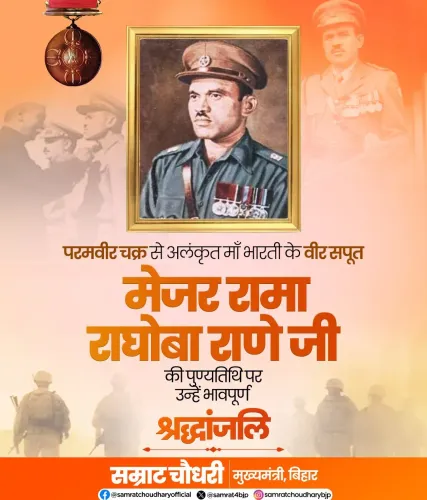
Union Minister Nitin Gadkari on 11 July 2026 paid homage to Second Lieutenant Major Rama Raghoba Rane, a Param Vir Chakra recipient honoured for bravery during the 1947-48 Jammu and Kashmir operations, on his death anniversary.
Key Takeaways
Nitin Gadkari , Union Minister of Road Transport and Highways, posted a tribute to Major Rama Raghoba Rane on 11 July 2026 , his death anniversary.
Major Rane served in the Indian Army's Corps of Engineers and received the Param Vir Chakra for mine-clearing and engineering actions during the 1947–48 Jammu and Kashmir operations .
The Param Vir Chakra is India's highest wartime gallantry decoration, instituted on 26 January 1950 .
Marking death anniversaries of Param Vir Chakra recipients is a consistent practice among Indian political leaders across party lines.
The tribute underscores continued political and institutional commitment to recognising 1947–48 war veterans in public memory.
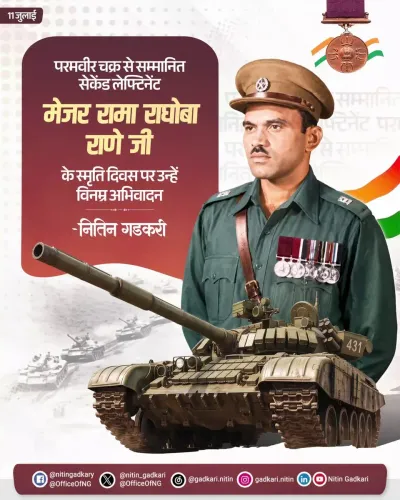
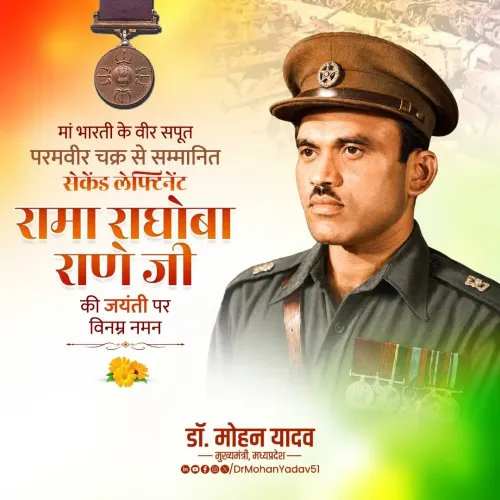
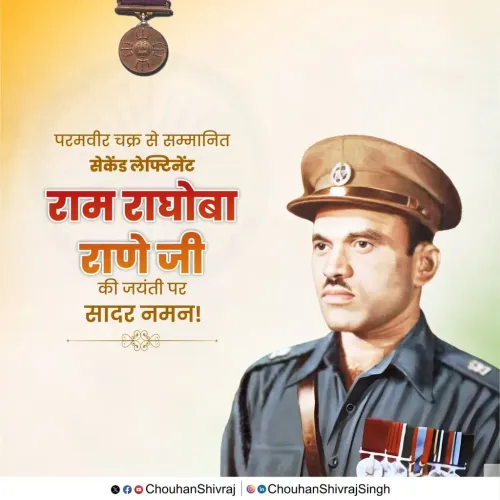
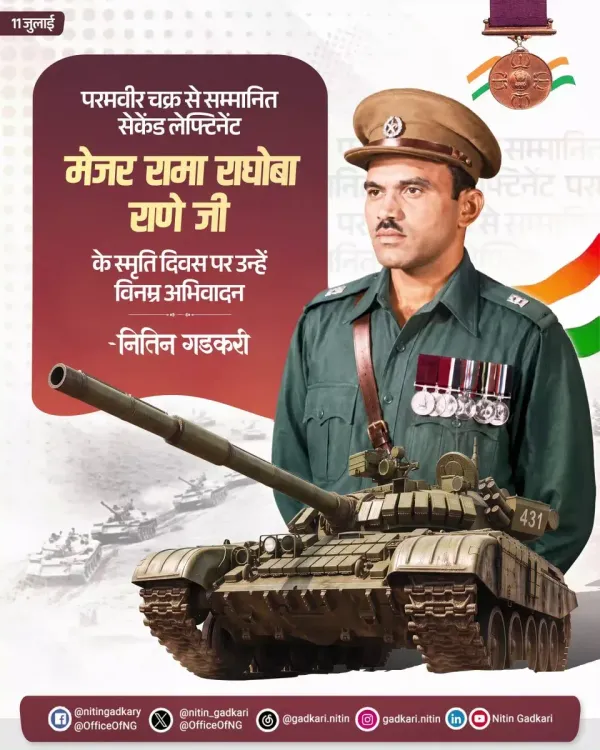
Union Road Transport and Highways Minister Nitin Gadkari on Saturday, 11 July 2026, paid homage to Second Lieutenant Major Rama Raghoba Rane, recipient of the Param Vir Chakra, on the occasion of his death anniversary. Gadkari posted a tribute on X, offering a respectful salute to the decorated war hero.
In his post, Gadkari wrote — 'परमवीर चक्र से सम्मानित सेकेंड लेफ्टिनेंट मेजर रामा राघोबा राणे जी के स्मृति दिवस पर उन्हें विनम्र अभिवादन' — translated as: 'A humble salute to Second Lieutenant Major Rama Raghoba Rane, honoured with the Param Vir Chakra, on his death anniversary.'
Context
Major Rama Raghoba Rane was an officer of the Indian Army's Corps of Engineers who was awarded the Param Vir Chakra — India's highest wartime gallantry decoration — for exceptional bravery during the 1947–48 operations in Jammu and Kashmir. His actions, which involved mine-clearing and critical engineering work under fire, were instrumental in enabling Indian Army advances during the conflict that followed Partition.
The Param Vir Chakra was instituted on 26 January 1950, the day India became a republic, to recognise acts of supreme valour in the face of the enemy. Major Rane remains one of the earliest and most celebrated recipients of the decoration.
Policy Backdrop
Marking the death anniversaries of Param Vir Chakra recipients has become a consistent practice among Indian political leaders across party lines, reflecting a broader institutional commitment to keeping the memory of wartime gallantry alive in public consciousness. Successive governments have maintained official and political channels of recognition for 1947–48 war veterans and their legacies.
The Ministry of Defence conducts annual gallantry-award commemorations, and state governments have periodically established memorials and public infrastructure named after decorated soldiers to sustain national remembrance.
Stakeholders and Impact
Tributes of this nature carry significance for armed forces veterans, their families, and the broader defence community, reinforcing the state's acknowledgement of sacrifices made during India's early post-Independence conflicts. For Major Rane's family and the Corps of Engineers, such public recognition from senior political figures serves as an affirmation that his contribution remains part of the national narrative.
The gesture also resonates with civil society groups that advocate for sustained recognition of 1947–48 war heroes, many of whom argue that this generation of soldiers deserves greater visibility in public memory.
What's Next
The Ministry of Defence's annual calendar of gallantry-award commemorations is expected to include observances tied to the 1947–48 war veterans through the year. Any state-level memorial events or institutional tributes planned in honour of Major Rama Raghoba Rane would build on the public attention that political tributes such as Gadkari's help generate.
As India continues to mark the anniversaries of its earliest post-Independence military actions, the recognition of officers like Major Rane is likely to remain a fixture of the national commemorative calendar — keeping alive a chapter of history that shaped the country's territorial integrity.
Point of View
Which carry deep symbolic weight in the BJP's nationalist discourse. While the gesture is ceremonial, it reflects a deliberate policy of keeping early post-Independence war heroes visible in public consciousness, a space where all major parties now compete. The consistent cross-party nature of such tributes suggests an institutionalisation of gallantry-award remembrance as a political norm rather than a partisan act. For the defence community, however, the value lies less in the politics and more in the sustained public visibility these tributes afford to a generation of soldiers whose stories risk fading from mainstream memory.
NationPress
11 Jul 2026
Frequently Asked Questions
Who is Major Rama Raghoba Rane?
Major Rama Raghoba Rane was an Indian Army officer from the Corps of Engineers who received the Param Vir Chakra — India's highest wartime gallantry award — for mine-clearing and engineering operations during the 1947–48 conflict in Jammu and Kashmir.
What is the Param Vir Chakra?
The Param Vir Chakra is India's highest wartime gallantry decoration, instituted on 26 January 1950, awarded for acts of supreme valour in the face of the enemy.
Why did Nitin Gadkari pay tribute to Major Rane?
Nitin Gadkari posted a tribute on X on 11 July 2026 to mark the death anniversary of Major Rama Raghoba Rane, in line with the broader practice of Indian political leaders publicly honouring Param Vir Chakra recipients on their anniversaries.
What did Major Rane do during the 1947–48 war?
During the 1947–48 operations in Jammu and Kashmir, Major Rane carried out mine-clearing and critical engineering work under fire, actions that were instrumental in enabling Indian Army advances and for which he was awarded the Param Vir Chakra.
When was the Param Vir Chakra instituted?
The Param Vir Chakra was instituted on 26 January 1950, the day India became a republic, to recognise supreme valour in combat.