Did Rahul Gandhi Label Ravneet Singh Bittu a 'Traitor'?
Synopsis
A dramatic exchange unfolded in Parliament as Rahul Gandhi labeled Ravneet Singh Bittu a 'traitor', leading to a heated response from the Union Minister. The incident reflects the escalating tensions surrounding the contentious India-US trade agreement, which has sparked widespread protests among Congress MPs. What does this mean for India's political landscape?
Key Takeaways
The confrontation between Rahul Gandhi and Ravneet Singh Bittu reflects deepening political tensions.
Bittu's strong response highlights the polarization within Indian politics.
The India-US trade agreement is a contentious issue drawing protests from opposition parties.
Gandhi's accusations against Modi raise questions about political accountability.
The incident underscores the role of rhetoric in shaping public perception of political figures.
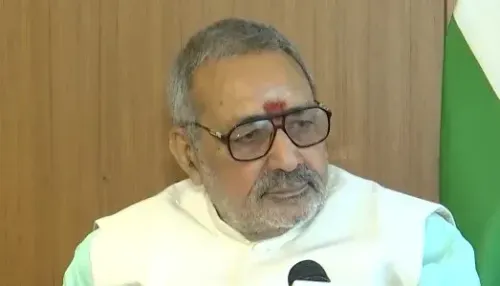
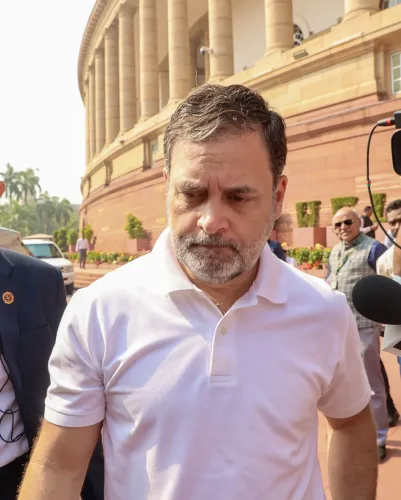
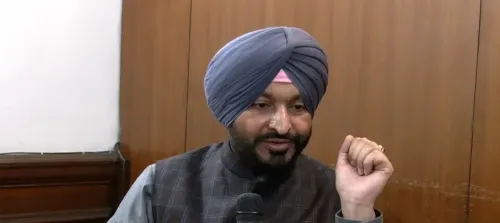
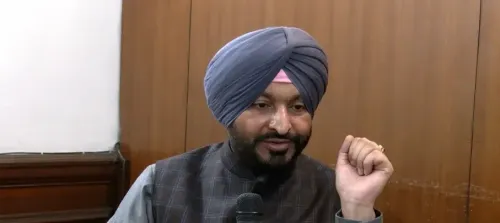
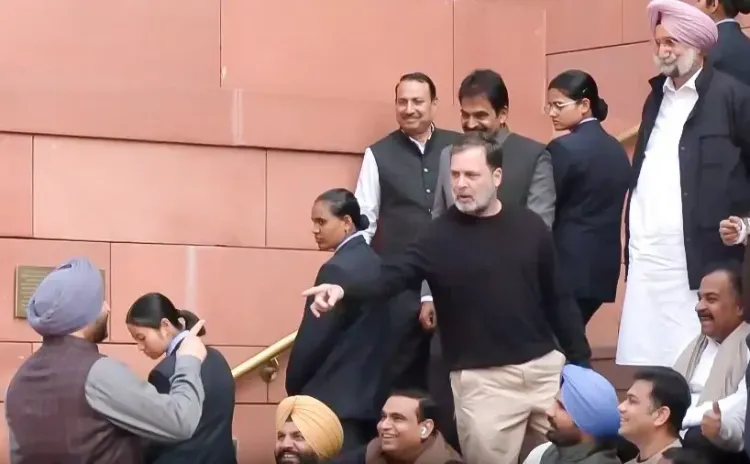
New Delhi, Feb 4 (NationPress) A fiery confrontation unfolded between the Leader of the Opposition in the Lok Sabha, Rahul Gandhi, and Union Minister Ravneet Singh Bittu on Wednesday within the Parliament premises.
The situation intensified after Gandhi launched a severe verbal onslaught, branding Bittu as a 'traitor'. This provoked an immediate and forceful retort from the Union Minister.
The clash occurred at Makar Dwar as Bittu passed by Congress MPs engaged in a protest.
As Bittu walked near the protesting MPs, Gandhi was overheard stating, 'Here is a traitor walking right by. Look at the face.'
He further stretched out his hand towards Bittu, saying, 'Hello, brother, my traitor friend. Don't worry, you will come back.'
This remark stemmed from Bittu's prior affiliation with Congress before he joined the BJP in March 2024.
However, Bittu declined to shake hands and retaliated strongly against Gandhi's comments.
In response, he labeled Gandhi and his associates as 'desh ke dushman' (enemies of the nation), emphasizing that he does not associate with individuals he perceives as antagonistic to the country.
The two politicians were seen engaging in a brief yet intense dialogue before moving on.
This altercation occurred amidst demonstrations by Congress MPs, who were protesting at the Parliament stairs with placards reading 'PM is compromised.'
The protest was related to the contentious India-US trade agreement, which has become a significant political issue between the ruling party and the Opposition.
On Monday, India and the United States finalized a trade deal following a phone conversation between Prime Minister Modi and US President Donald Trump.
Under this agreement, US tariffs on Indian goods were lowered to 18%, while India agreed to relax certain trade barriers on American products.
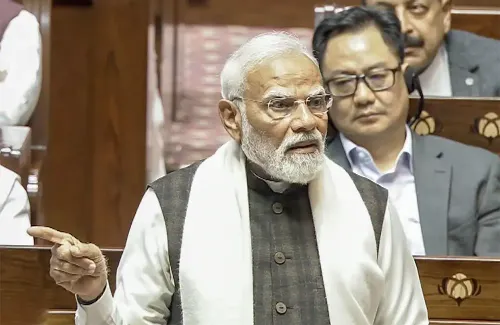
Earlier on Tuesday, Rahul Gandhi accused Prime Minister Narendra Modi of being 'compromised' and 'under pressure', asserting that this was the reason behind the endorsement of the India-US trade agreement.
Addressing reporters within the Parliament grounds, Gandhi claimed that the Prime Minister signed the agreement under duress.
This trade deal has faced backlash from opposition parties, who argue that it disproportionately favors the US and is not in India's best interests.
Point of View
It’s essential to highlight the ongoing tensions in Indian politics. The verbal clash between Rahul Gandhi and Ravneet Singh Bittu underscores the growing divisions within the political landscape, particularly concerning the contentious India-US trade agreement. This incident showcases the high stakes involved and how political rhetoric is shaping public discourse.
NationPress
19 Sept 2026
Frequently Asked Questions
What triggered the confrontation between Rahul Gandhi and Ravneet Singh Bittu?
The confrontation was triggered when Rahul Gandhi referred to Ravneet Singh Bittu as a 'traitor' during a protest staged by Congress MPs in Parliament.
What was Bittu's response to Gandhi's remarks?
Bittu strongly rejected Gandhi's accusations, labeling him and his associates as 'desh ke dushman' (enemies of the nation) and refused to shake hands with him.
What was the context of the protests by Congress MPs?
The protests were linked to the recently finalized India-US trade agreement, which Congress claims is not in India's best interest.
What are the implications of the India-US trade agreement?
The agreement has been met with criticism from opposition parties who argue it disproportionately benefits the US and compromises India's trade interests.
What does this exchange reveal about current political tensions in India?
The exchange highlights the increasing polarization in Indian politics, particularly around significant issues like trade agreements and national integrity.