Will Rahul Gandhi's Concerns Over the India-US Trade Deal Affect Farmers?
Synopsis
Rahul Gandhi raises alarms about the potential impact of the India-US trade agreement on Indian farmers, claiming that the government’s actions favor foreign competition over local growers. He emphasizes the significance of protecting farmers' livelihoods and food security, promising to challenge any detrimental agreements.
Key Takeaways
Concerns Raised: Rahul Gandhi warns about potential harm to Indian farmers from the India-US trade deal.
Foreign Competition: The deal could expose local farmers to unfair competition from American agribusiness.
Government Support: Many Indian farmers struggle to secure fair prices compared to their American counterparts.
Political Stance: Gandhi reiterates Congress's commitment to standing with farmers against harmful trade agreements.
Future Implications: The political debate around this deal will significantly impact the agricultural sector in India.
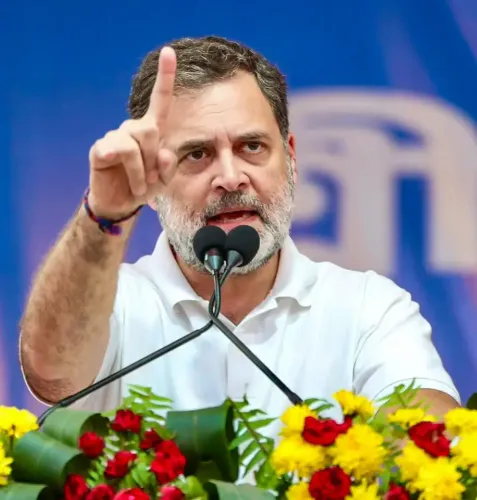
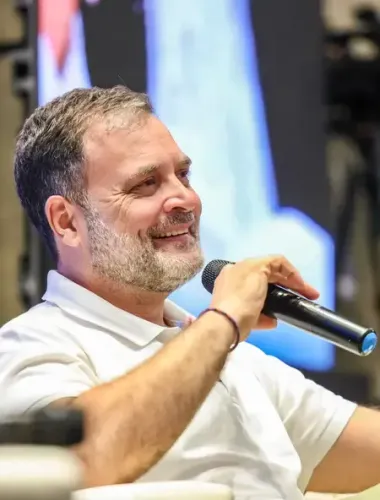
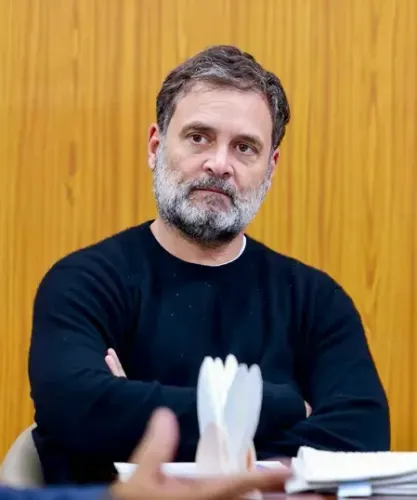
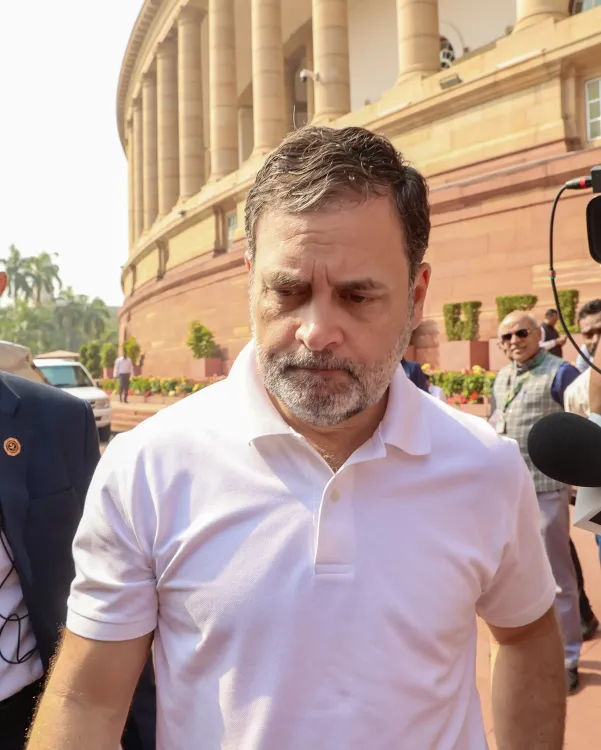
New Delhi, Feb 12 (NationPress) The Leader of Opposition in the Lok Sabha, Rahul Gandhi, expressed serious concerns on Thursday regarding the proposed India-United States bilateral trade agreement, suggesting it could have detrimental effects on Indian farmers. He accused the government of exposing the agriculture sector to international competition, jeopardizing domestic producers.
In a video shared on X, Rahul Gandhi highlighted that farmers growing crops such as corn, soybean, cotton, and various fruits would be among the first affected. He further claimed that the government was systematically welcoming foreign interests and corporate players into the entire agricultural landscape.
Gandhi noted that American farmers benefit from large-scale operations and significant government support, creating an uneven playing field against Indian farmers, many of whom cultivate small plots and struggle to secure fair Minimum Support Prices (MSP).
“The Prime Minister has compromised the interests of our soybean, cotton, and fruit farmers. This is merely the tip of the iceberg,” Rahul Gandhi stated, alleging that foreign corporations have been eager to penetrate India’s agricultural market, with government facilitation.
He also suggested that external influences, particularly from US President Donald Trump, have affected the negotiations of this trade deal.
Reaffirming the essential role of farmers in the nation’s economy, Gandhi emphasized that the Congress party has a long-standing commitment to food security and will continuously advocate for farmers' rights. He labeled the Prime Minister as “anti-farmer” and referenced the contentious three farm laws previously described as “black laws” by the Opposition.
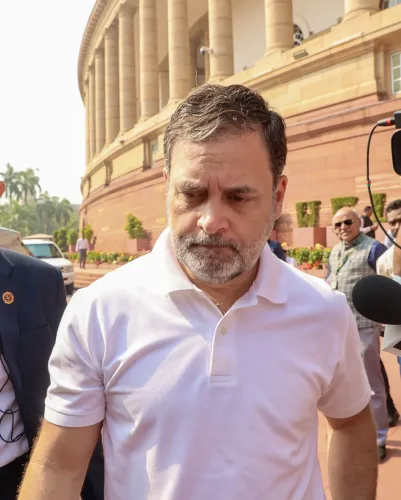
“You can file a case against me, initiate a privilege motion, do whatever you deem fit. I have expressed the truth in Parliament,” he asserted, adding that Congress president Mallikarjun Kharge and the entire party are resolutely supporting farmers.
In response to a BJP MP's attempt to introduce a motion in Parliament aimed at revoking his Lok Sabha membership and imposing a lifetime ban on contesting elections, Gandhi stated he would not be intimidated by any legal actions.
He concluded by asserting that any trade agreement that threatens farmers' livelihoods or undermines India’s food security will face opposition from Congress at all levels.
Point of View
Rahul Gandhi's statements reflect a broader concern about national agricultural policies amidst global trade agreements. While his claims about the impacts on farmers raise critical questions, it is essential to assess the trade deal's potential benefits and drawbacks objectively. The discussion around farmer welfare and food security should remain a priority in policymaking, aligning with the nation's agricultural interests.
NationPress
27 Sept 2026
Frequently Asked Questions
What concerns did Rahul Gandhi raise about the trade deal?
Rahul Gandhi expressed that the India-US trade agreement could negatively impact Indian farmers by opening the agriculture sector to foreign competition.
How does the proposed deal affect local farmers?
Gandhi argues that local farmers, particularly those growing crops like soybean and cotton, would struggle against the competitive advantages held by American farmers.
What did Gandhi say about government support for farmers?
He claimed that many Indian farmers face challenges in securing fair Minimum Support Prices, contrasting their situation with the substantial support American farmers receive.
What was Gandhi's stance on the Prime Minister's actions?
Gandhi labeled the Prime Minister as 'anti-farmer' and accused him of compromising the interests of local farmers for the benefit of foreign entities.
Will Congress oppose the trade deal?
Yes, Gandhi affirmed that Congress would vehemently oppose any agreement that threatens farmers' livelihoods or undermines India's food security.