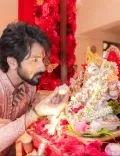
Ganesh Chaturthi 2026: Devotees throng Maharashtra temples, pandals on Day 1
Synopsis
Ganesh Chaturthi 2026 began on 14 September with Maharashtra at its festive heart — from Pune's Bhausaheb Rangari Ganpati arrival to Mumbai's iconic Lalbaugcha Raja and Nagpur's Ganesh Tekdi Temple. With the 10-day festival carrying both deep religious roots and a revolutionary origin story dating to 1892, this is India's most community-driven annual celebration.
Key Takeaways
Ganesh Chaturthi 2026 began on Monday, 14 September , with celebrations across India, centred in Maharashtra .
The Shrimant Bhausaheb Rangari Ganpati arrival ceremony in Pune began to the beats of dhol-tasha with large crowds.
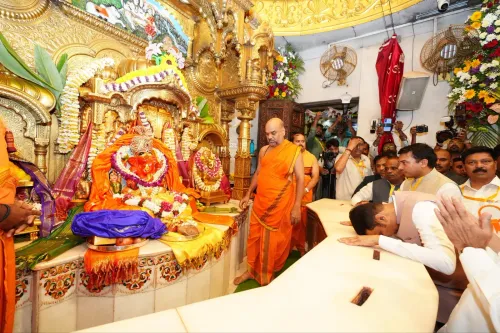
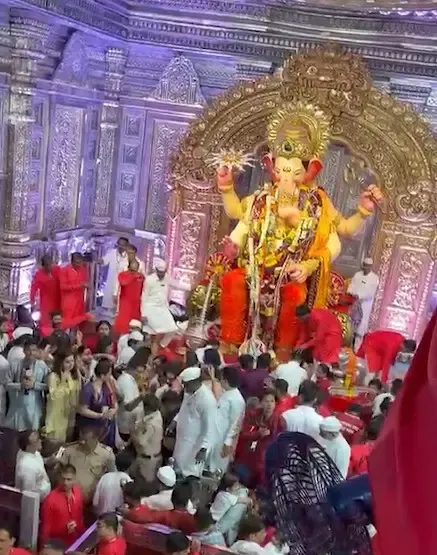
Lalbaugcha Raja , Siddhivinayak Temple , GSB Seva Mandal and several other iconic Mumbai pandals drew thousands of visitors.
In Nagpur , the Ganesh Tekdi Temple witnessed long queues; organisers deployed e-rickshaws and EVs for elderly devotees.
The public Ganeshotsav traces its origins to either Bhausaheb Rangari in Pune (1892) or Lokmanya Bal Gangadhar Tilak in Mumbai (1893) , a matter of historical significance for both cities.
The festival concludes on Anant Chaturdashi, 25 September , with immersion processions.
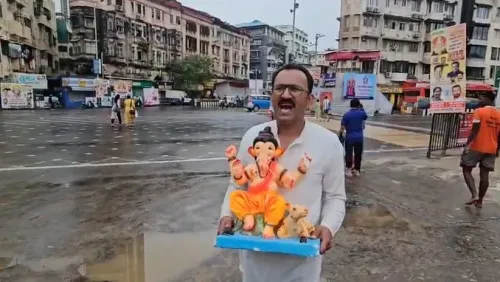
Ganesh Chaturthi 2026 got underway with vibrant celebrations across India on Monday, 14 September, as millions of devotees welcomed elaborately crafted idols of Lord Ganesha into homes and public pandals, marking the start of the 10-day festival. The fervour was particularly intense in Maharashtra, where the festival holds deep cultural and historical roots.
Celebrations Across Maharashtra
In Pune, the arrival ceremony of the Shrimant Bhausaheb Rangari Ganpati — regarded as Hindustan's first public Ganpati — commenced amid the rhythmic beats of dhol-tasha, drawing large crowds of devotees. Special prayers were simultaneously performed at the iconic Shrimant Dagdusheth Halwai Ganpati Temple.
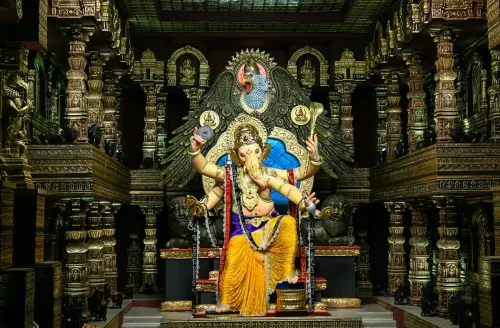
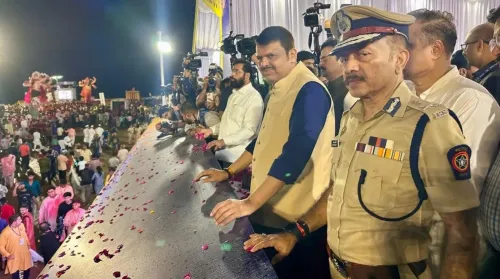
In Mumbai, dazzling lights and elaborate decorations transformed the city's most prominent pandals and temples. Key venues drawing massive footfall included Lalbaugcha Raja at Lalbaug, Tejukaya Mandal, Ganesh Gully, GSB Seva Mandal at Matunga-Kings' Circle, Andheri-cha-Raja, Kethwadi 11th and 12th Lane, and the Fort Vibhag Sarvajanik Ganeshutsav Mandal. The renowned Siddhivinayak Temple was also magnificently decorated, adding to the city's devotional atmosphere.
In Nagpur, thousands gathered at the celebrated Ganesh Tekdi Temple since early morning. Devotees stood in long queues as the temple precincts resonated with chants of 'Ganpati Bappa Morya'. Organisers set up separate queues for men and women and arranged e-rickshaws and electric vehicles to assist elderly visitors, according to reports.
Historical Significance of the Festival
The public celebration of Ganesh Chaturthi in its modern, community-facing form in Maharashtra carries competing historical claims. The Bhausaheb Rangari Ganpati Trust maintains that freedom fighter Bhausaheb Rangari started the public Ganeshotsav in Pune in 1892, making it the first such public event. Separately, the festival's sarvajanik format in Mumbai is widely traced to Lokmanya Bal Gangadhar Tilak, who launched his own public Ganeshotsav from Keshavji Nayak Chawl in Girgaum in 1893 as a vehicle for the freedom struggle — an initiative aimed at unifying communities and mobilising public sentiment against colonial rule.
This dual origin story reflects the festival's layered significance: part religious observance, part civic tradition, and part historical symbol of India's independence movement.
What Devotees Said
A devotee at the Ganesh Tekdi Temple in Nagpur said organisers had made special logistical arrangements to handle the rush. 'Our main intention is to ensure that every devotee gets proper darshan, and we have made arrangements accordingly,' the devotee said, adding that separate queues and accessible transport had been put in place.
Another devotee reflected on the festival's spiritual message: 'The true essence of Ganesh Chaturthi is that Lord Ganesha relieves us of our troubles and brings us happiness. Similarly, in our own lives, we should aim to spread happiness to others rather than causing them pain.'
Looking Ahead: Anant Chaturdashi on 25 September
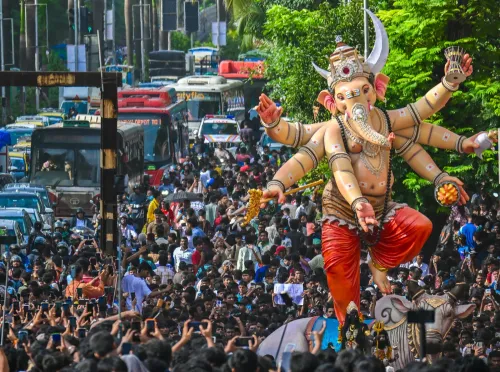
The 10-day festivities will culminate on Anant Chaturdashi, 25 September, when devotees across India will bid farewell to the deity through grand immersion processions. In Mumbai and Pune, these processions typically draw lakhs of participants and represent one of the largest peaceful public gatherings in the country every year.
Point of View
The festival's origins as a mass-mobilisation tool against colonial rule give it a civic dimension that most coverage flattens into pure religious reportage. As the 10-day event unfolds, the real story will be crowd management, river pollution from idol immersion, and whether authorities enforce eco-friendly idol mandates — areas where accountability reporting is consistently thinner than the celebration coverage.
NationPress
14 Sept 2026
Frequently Asked Questions
When is Ganesh Chaturthi 2026 and how long does it last?
Ganesh Chaturthi 2026 began on Monday, 14 September, and runs for 10 days, concluding with Anant Chaturdashi on 25 September. Devotees bid farewell to Lord Ganesha through immersion processions on the final day.
Who started the public Ganeshotsav tradition in Maharashtra?
The public Ganeshotsav tradition in Maharashtra has two competing origin claims. The Bhausaheb Rangari Ganpati Trust maintains that Bhausaheb Rangari started the public celebration in Pune in 1892. Separately, freedom fighter Lokmanya Bal Gangadhar Tilak is credited with launching the sarvajanik Ganeshotsav in Mumbai's Girgaum area in 1893, using it to mobilise public support for India's independence movement.
Which are the most famous Ganesh pandals in Mumbai?
Among the most visited pandals in Mumbai are Lalbaugcha Raja in Lalbaug, GSB Seva Mandal at Matunga-Kings' Circle, Andheri-cha-Raja, Tejukaya Mandal, Ganesh Gully, and Kethwadi 11th and 12th Lane. The Siddhivinayak Temple is also a major centre of celebration.
What is the spiritual significance of Ganesh Chaturthi?
Ganesh Chaturthi celebrates the birth of Lord Ganesha, revered as the deity of wisdom, prosperity, and new beginnings. Ganesha is traditionally invoked before important undertakings, and the festival is an occasion for devotees to seek his blessings for happiness, health, and well-being.
What arrangements were made for devotees at temples this year?
At Nagpur's Ganesh Tekdi Temple, organisers set up separate queues for men and women and deployed e-rickshaws and electric vehicles to help elderly devotees reach the venue, according to reports. Major pandals in Mumbai also reported long but orderly queues as thousands sought darshan on the opening day.