GCC fiscal deficit nears ₹2,000 crore as Chennai civic costs surge in 2025-26
Synopsis
Chennai's civic body is staring at a ₹3,434.72 crore liability wall in 2026-27, even as a special property tax drive doubles year-ago collections. The GCC's crisis lays bare a structural fault line in urban local body finance: costs have nearly doubled while state grant support collapsed by 73% in three years.
Key Takeaways
GCC 's fiscal deficit reached ₹1,763 crore in 2025-26 , rising to ₹1,970 crore after principal loan repayments.
Revenue expenditure surged from ₹3,581 crore in 2022-23 to ₹5,676 crore in 2025-26 , a near- 59% increase.
Capital grant assistance plummeted from ₹1,941 crore to ₹521 crore over the same period — a 73% drop.
Unpaid bills stood at ₹1,929.72 crore as of 29 July ; total 2026-27 liabilities projected at ₹3,434.72 crore .
A special property tax drive in July collected ₹158.18 crore in 27 days, more than double last year's ₹61.55 crore in the same window.
The GCC has sought a ways-and-means advance and early stamp duty surcharge release from the Tamil Nadu government.
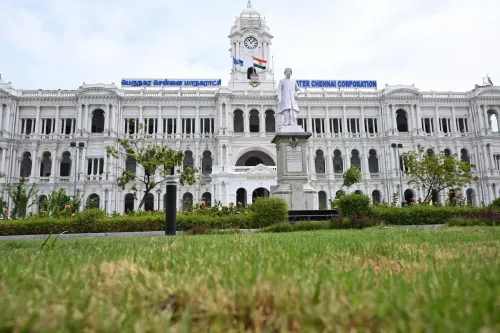
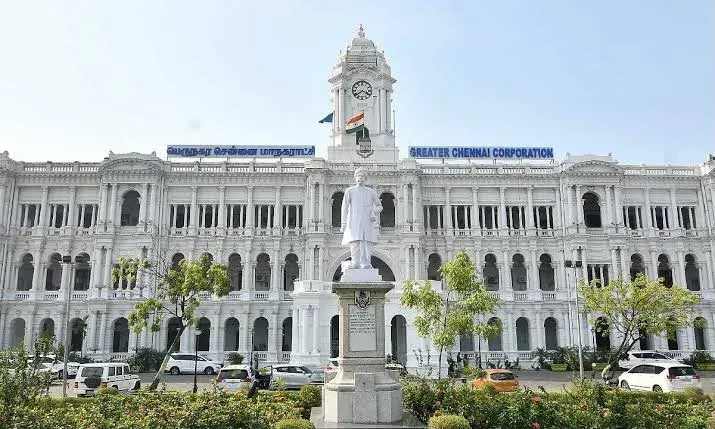
The Greater Chennai Corporation (GCC) is confronting a deepening fiscal crisis, with its deficit reaching ₹1,763 crore in 2025-26 and climbing to ₹1,970 crore once principal loan repayments are factored in, according to officials. The widening gap reflects a structural mismatch between surging operational costs and stagnant external funding, raising serious questions about the civic body's capacity to honour its financial obligations.
How the Deficit Widened
Revenue expenditure at the GCC has risen sharply — from ₹3,581 crore in 2022-23 to ₹5,676 crore in 2025-26, a jump of nearly 59% in three years. Officials attributed the surge to higher outlays on conservancy services, Design-Build-Finance-Operate-Transfer (DBFOT) public conveniences, vehicle hire charges, wage revisions, and the upkeep of newly established schools and civic infrastructure across Chennai.
At the same time, capital grant assistance from government schemes collapsed — falling from ₹1,941 crore in 2022-23 to just ₹521 crore in 2025-26. The near-73% decline in external funding has compelled the Corporation to lean heavily on its own resources to sustain development works.
Internal Transfers Under Strain
To plug the funding gap, the GCC has repeatedly moved money from its Revenue Account to its Capital Account. These internal transfers ballooned from ₹303 crore in 2022-23 to ₹937 crore in 2025-26 — far beyond what officials describe as the Corporation's normal transfer capacity. The sustained reliance on internal financing has, according to officials, significantly eroded liquidity and curtailed financial flexibility.
Mounting Payment Obligations
The cash crunch is most visible in the Corporation's unpaid bills, which stood at ₹1,929.72 crore as of 29 July. With an estimated ₹1,505 crore in additional bills expected during the current financial year, the GCC's total projected liabilities for 2026-27 are set to reach ₹3,434.72 crore — a figure that underscores the urgency of corrective action.
Measures to Stabilise Finances
The Corporation Commissioner has initiated daily cash-flow reviews and is prioritising essential payments. A special property tax collection drive launched in July has shown early promise: collections reached ₹158.18 crore in the first 27 days, compared with ₹61.55 crore during the same period last year — more than double the previous pace.
The GCC is also conducting data mapping to identify tax leakages, reassessing under-assessed properties, exploring asset monetisation, and reviewing departmental expenditure. Separately, requests have been submitted to the Tamil Nadu state government for a ways-and-means advance and the early release of two quarters' surcharge on stamp duty to ease immediate cash-flow pressure.
What Comes Next
Whether the short-term revenue push and state support materialise in time to prevent a deeper liquidity squeeze will be closely watched. The GCC's ability to sustain essential civic services across Chennai — from sanitation to infrastructure maintenance — hinges on how quickly these measures translate into actual cash inflows.
Point of View
Chennai risks becoming a cautionary tale for India's larger metropolitan corporations facing the same squeeze.
NationPress
13 Sept 2026
Frequently Asked Questions
What is the current fiscal deficit of the Greater Chennai Corporation?
The GCC's fiscal deficit stood at ₹1,763 crore in 2025-26, rising to ₹1,970 crore after accounting for principal loan repayments, according to officials. The Corporation's total projected liabilities for 2026-27 are estimated at ₹3,434.72 crore.
Why has the GCC's financial situation deteriorated so sharply?
Two simultaneous pressures are responsible: revenue expenditure jumped nearly 59% from ₹3,581 crore in 2022-23 to ₹5,676 crore in 2025-26, while capital grant assistance from government schemes fell by roughly 73% — from ₹1,941 crore to ₹521 crore over the same period. The combination has forced the Corporation to rely heavily on internal fund transfers.
How much does the GCC owe in unpaid bills?
As of 29 July, the GCC's unpaid bills totalled ₹1,929.72 crore. With an additional ₹1,505 crore in bills expected during 2026-27, the Corporation's total liabilities for the year are projected to reach ₹3,434.72 crore.
What steps is the GCC taking to address the cash crunch?
The Corporation Commissioner has begun daily cash-flow reviews and is prioritising essential payments. A special property tax drive launched in July collected ₹158.18 crore in its first 27 days — more than double the ₹61.55 crore collected in the same period last year. The GCC is also mapping tax leakages, reassessing under-assessed properties, and exploring asset monetisation.
Has the GCC sought state government support?
Yes. The GCC has submitted requests to the Tamil Nadu government for a ways-and-means advance and the early release of two quarters' surcharge on stamp duty to ease immediate cash-flow pressures.