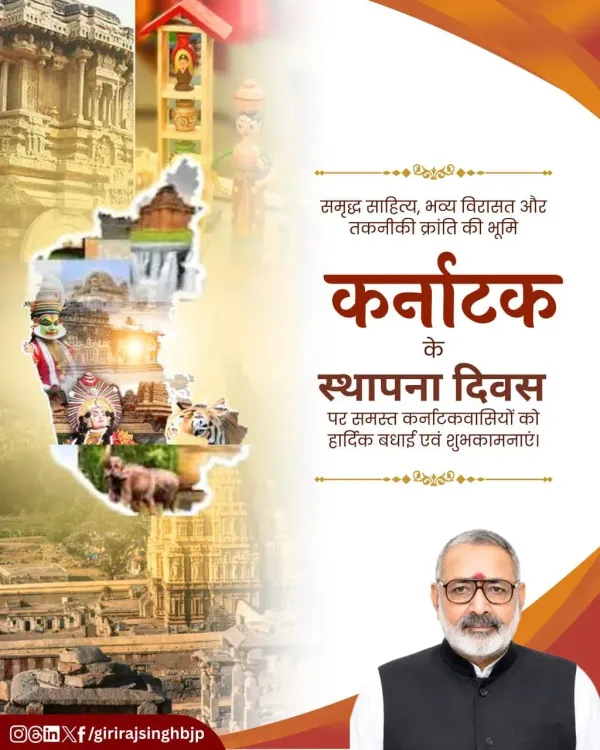
Giriraj Singh Greets Karnataka on Formation Day
Synopsis
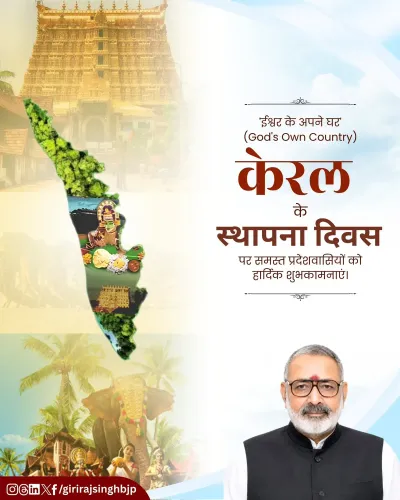
Union Textiles Minister Giriraj Singh marked Karnataka Formation Day on 1 November 2026, honouring the state's seven decades of contributions to science, technology, art, and culture in a Hindi-language post on X.
Key Takeaways
Union Textiles Minister Giriraj Singh posted greetings for Karnataka Formation Day on 1 November 2026 .
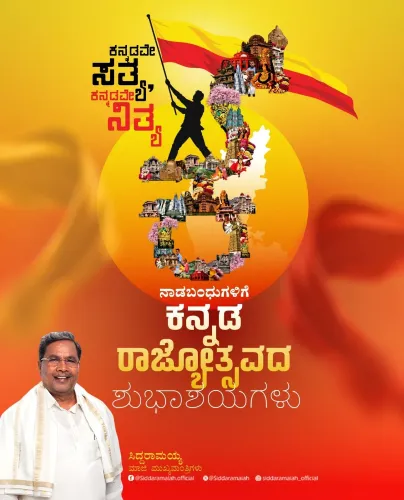
Karnataka was created on 1 November 1956 under the States Reorganisation Act, making this its 70th Formation Day .
Singh highlighted Kannadigas' contributions to knowledge, science, technology, art, and culture on national and global platforms.
The state, originally named Mysore, was renamed Karnataka in 1973 ; its capital Bengaluru is a major global technology hub.
Formation Day greetings from Union ministers are a routine feature of India's political calendar, signalling respect for regional identity.
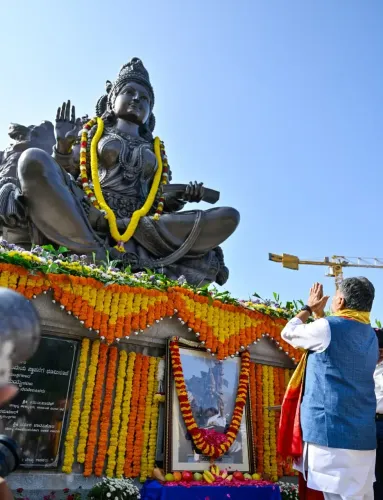
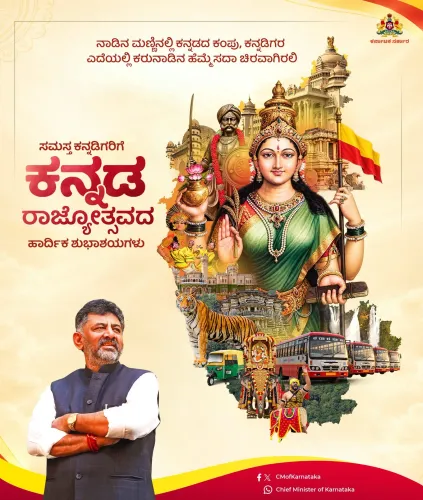
On the 70th anniversary of Karnataka's formation, Union Textiles Minister Giriraj Singh extended warm wishes to the people of the state on 1 November 2026, acknowledging their contributions to knowledge, science, technology, art, and culture on the national and global stage.
Posting in Hindi on the occasion of Karnataka Sthapana Divas (Karnataka Formation Day), Singh wrote: 'Heartfelt greetings to all residents of the state on the occasion of Karnataka Formation Day. Karnataka's identity is defined by its talented, hardworking, and creative people, who have carved a distinguished place in the country and the world through their contributions to knowledge, science, technology, art, and culture.'
Seventy years since the States Reorganisation Act
Karnataka was formed on 1 November 1956 under the States Reorganisation Act, which redrew India's internal boundaries largely along linguistic lines. The Kannada-speaking regions of the then Mysore State, along with areas from neighbouring provinces, were unified into a single administrative unit — originally called Mysore, and renamed Karnataka in 1973. Bengaluru serves as its capital and has since grown into one of Asia's foremost technology and innovation hubs.
The state's contributions span far beyond software exports. Karnataka houses premier institutions in aerospace, biotechnology, and higher education, and carries a rich legacy in classical Carnatic music, Yakshagana theatre, and Kannada literature — a tradition that includes a Jnanpith Award count among the highest of any Indian language.
A national ritual of recognition
Formation Day greetings from Union ministers have become a fixture in India's political calendar — a way for the Centre to signal respect for regional identity without policy stakes attached. For Karnataka, a state that elects a significant bloc of Lok Sabha seats and hosts constituencies contested fiercely by both national and regional parties, such gestures carry a quiet electoral subtext alongside their ceremonial warmth. Singh's message, brief and broad, follows the established register of such observances.
Point of View
A keenly contested state in both Lok Sabha and assembly elections, commands attention from national leaders across party lines. Singh's warm, culture-forward messaging aligns with a broader BJP effort to deepen connect with southern constituencies. While the post carries no policy content, the consistency of such outreach helps sustain a visible Centre-state relationship beyond the transactional.
NationPress
1 Nov 2026
Frequently Asked Questions
When is Karnataka Formation Day celebrated?
Karnataka Formation Day is celebrated every year on 1 November , marking the creation of the state on 1 November 1956 under the States Reorganisation Act.
Why did Giriraj Singh post about Karnataka Formation Day?
As a senior Union Minister and BJP leader, Giriraj Singh extended greetings to Karnataka residents on their state's formation anniversary — a common practice among national politicians to acknowledge regional identities.
How old is Karnataka as a state in 2026?
Karnataka turned 70 years old in 2026, having been established on 1 November 1956.
What was Karnataka called before it was renamed?
The state was originally called Mysore after its formation in 1956, and was officially renamed Karnataka in 1973 .
What is Karnataka known for according to Giriraj Singh's post?
Singh's post highlighted Karnataka's identity as a land of talented, hardworking, and creative people who have made significant contributions to knowledge, science, technology, art, and culture both nationally and globally.