Giriraj Singh Pays Tribute on Mahavir Nirvana Diwas
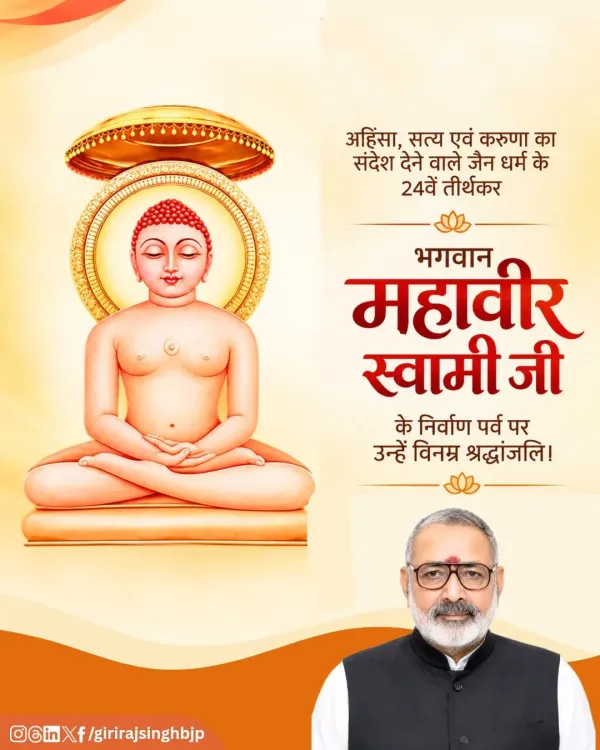
Synopsis
Union Textiles Minister Giriraj Singh marked Mahavir Nirvana Diwas on November 9, 2026, paying homage to Lord Mahavir and highlighting his enduring principles of truth, non-violence, compassion, and non-possession as a guide for humanity.
Key Takeaways
Union Textiles Minister Giriraj Singh posted a tribute to Lord Mahavir on Mahavir Nirvana Diwas, November 9, 2026 .
He invoked Mahavir's four core teachings: satya (truth), ahimsa (non-violence), karuna (compassion), and aparigraha (non-possession).
Mahavir Nirvana Diwas is observed on Diwali and marks the liberation (moksha) of the 24th Tirthankara of Jainism .
Mahavir's principle of ahimsa has influenced thinkers and movements far beyond Jainism, including Mahatma Gandhi .
Senior Indian political leaders across parties customarily acknowledge Jain festivals to honour the community's cultural and ethical heritage.
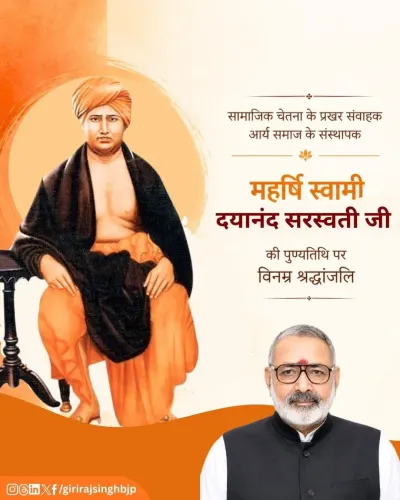
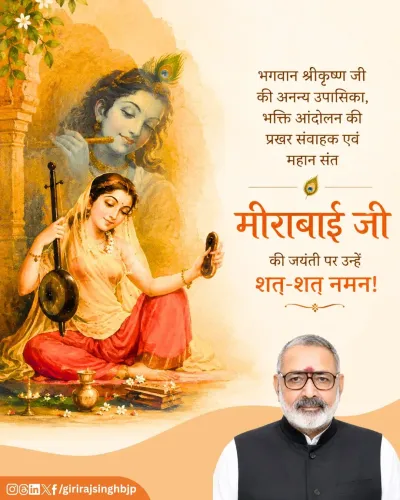
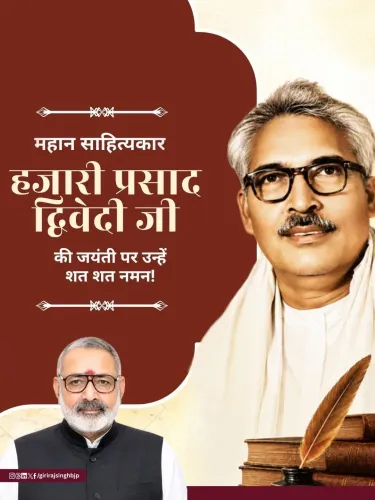
On the occasion of Mahavir Nirvana Diwas, Union Textiles Minister Giriraj Singh offered a respectful tribute to Lord Mahavir, the 24th Tirthankara of Jainism, honouring his timeless teachings of truth, non-violence, compassion, and non-possession.
Posting on Monday, November 9, 2026, the senior BJP leader and Lok Sabha MP from Begusarai, Bihar, wrote in Hindi: 'भगवान महावीर जी के निर्वाण पर्व पर उन्हें सादर नमन।' — 'Respectful salutations to Lord Mahavir on his Nirvana festival.' He added that Mahavir's principles of satya (truth), ahimsa (non-violence), karuna (compassion), and aparigraha (non-possession) continue to inspire humanity toward harmony, restraint, and kindness to all living beings.
Mahavir Nirvana Diwas marks the liberation of Lord Mahavir, observed on Diwali by the Jain community across India and worldwide. The occasion carries deep spiritual significance — it commemorates not just the passing of a revered figure but the attainment of moksha, the ultimate liberation from the cycle of birth and rebirth. For Jains, it is among the most sacred days of the year.
Across India's political landscape, senior leaders from all parties regularly acknowledge Jain festivals and their ethical underpinnings, recognising the community's deep cultural and social presence in the country. Mahavir's core doctrine — particularly ahimsa, which influenced thinkers from Mahatma Gandhi to global peace movements — resonates well beyond the Jain faith itself, touching a broad cross-section of Indian society.
Point of View
Reflecting the community's cultural influence and moral standing in public life. The specific emphasis on aparigraha — non-possession — alongside ahimsa is notable: these two principles carry a quiet resonance in a political climate where ethical governance and restraint are recurring themes. While this is a ceremonial message, the choice to highlight all four of Mahavir's core doctrines rather than a generic greeting signals a degree of deliberateness in outreach. Such acknowledgements also reinforce the BJP's broad coalition-building strategy across religious communities.
NationPress
9 Nov 2026
Frequently Asked Questions
What is Mahavir Nirvana Diwas?
Mahavir Nirvana Diwas commemorates the liberation (moksha) of Lord Mahavir, the 24th Tirthankara of Jainism, and is observed on Diwali each year as one of the holiest days in the Jain calendar.
What did Giriraj Singh say on Mahavir Nirvana Diwas 2026?
Giriraj Singh offered respectful salutations to Lord Mahavir and highlighted his teachings of truth (satya), non-violence (ahimsa), compassion (karuna), and non-possession (aparigraha) as a timeless guide for humanity.
What are Lord Mahavir's four main teachings?
Lord Mahavir's four principal teachings are satya (truth), ahimsa (non-violence), karuna (compassion), and aparigraha (non-possession), which form the ethical foundation of Jain philosophy.
Why do Indian politicians mark Jain festivals like Mahavir Nirvana Diwas?
Indian political leaders across parties regularly acknowledge Jain festivals to honour the community's deep cultural, ethical, and social contributions to Indian life and to recognise shared values such as non-violence.
How does Mahavir's ahimsa connect to broader Indian philosophy?
Mahavir's principle of ahimsa influenced Mahatma Gandhi and has shaped peace movements globally, making it one of the most widely resonant ethical ideas to emerge from the Indian subcontinent.