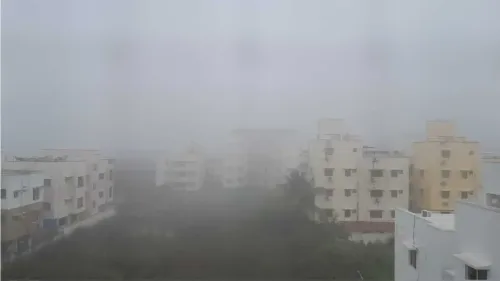
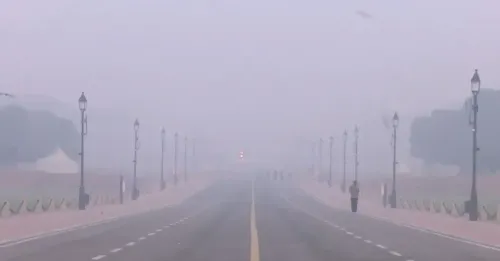
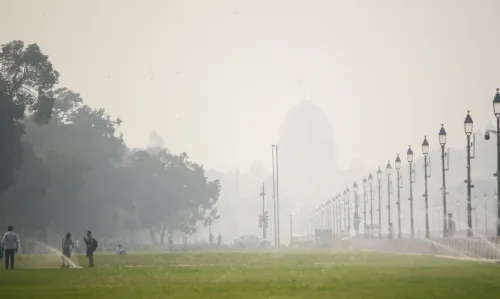
Chennai AQI hits 159 post-Diwali as Royapuram touches 238 despite rain
Synopsis
Chennai's post-Diwali AQI of 159 is nearly three times last year's reading of 56 — and Royapuram's 238 pushes it into 'Poor' territory. Even intermittent rain couldn't hold back the firecracker surge, exposing a widening gap between festive tradition and urban air safety in one of India's major metros.
Key Takeaways
Chennai's average AQI climbed to 159 post-Diwali, placing it in the 'Moderate' pollution category.
Royapuram was the worst-affected locality with an AQI of 238 , classified as 'Poor' .
Other high-reading areas include Perungudi (175) , Manali (168) , Kodungaiyur (166) , and Arumbakkam (165) .
Last year, the city's AQI was just 56 on 6 November and 74 on 7 November — a fraction of this year's reading.
Intermittent rain during festivities had little effect, with residents using dry spells — especially between 7 pm and 8 pm — to continue firecracker activity.
Elevated AQI poses particular health risks for children , the elderly , and those with respiratory ailments .
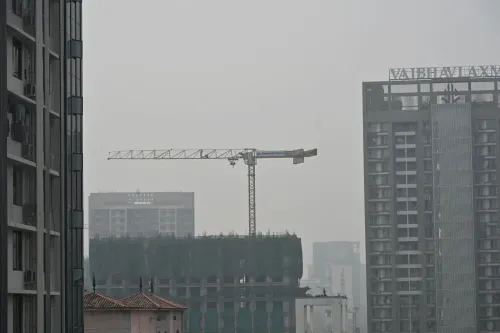
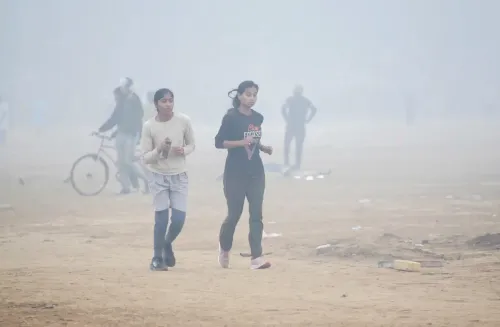
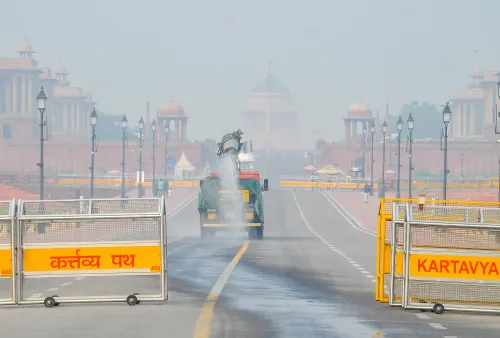
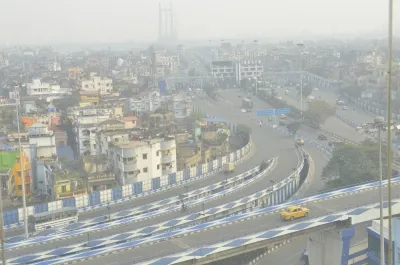
Chennai's air quality deteriorated sharply in the aftermath of Diwali 2026, with the city's average Air Quality Index (AQI) climbing to 159 — placing it in the 'Moderate' category under India's air quality classification. The surge came despite intermittent rainfall across several parts of the city during the festivities, raising fresh concerns about the public health impact of firecracker emissions on urban air.
Worst-Affected Localities
Royapuram recorded the highest pollution reading in the city at an AQI of 238, which falls under the 'Poor' category — a threshold associated with significant respiratory discomfort even for healthy individuals. Perungudi followed at 175, while Manali logged 168, Kodungaiyur posted 166, and Arumbakkam recorded 165, according to air quality monitoring data. These readings span a mix of residential and industrial neighbourhoods, indicating a broad-based deterioration rather than isolated pockets.
How Celebrations Unfolded
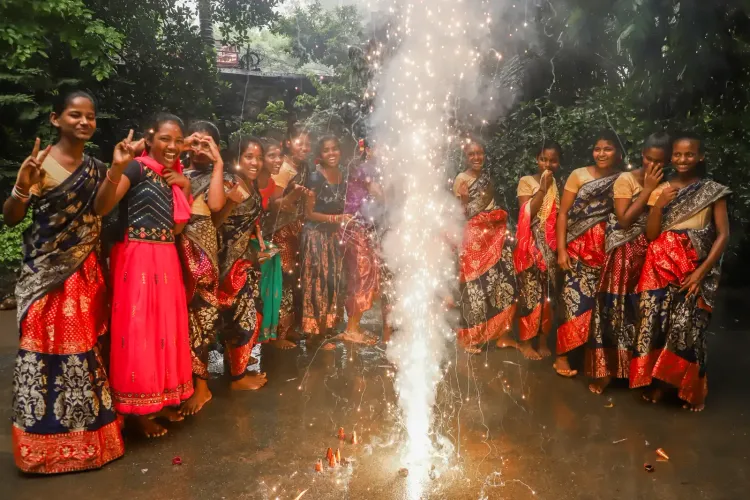
Diwali festivities in Chennai began on Wednesday, with residents across several neighbourhoods bursting firecrackers through the evening. Celebrations continued on Thursday, with families gathering to exchange sweets, wear new clothes, and participate in traditional customs. Notably, brief pauses in the rainfall — particularly between 7 pm and 8 pm — were widely used by residents to resume firecracker activity, limiting the rain's effectiveness in suppressing pollutant levels.
A Sharp Rise from Last Year
The scale of the deterioration becomes clearer when compared with 2025 data. Chennai's average AQI stood at 56 on 6 November and 74 on 7 November last year — both in the 'Good' and 'Satisfactory' categories respectively. This year's reading of 159 marks a dramatic increase, underscoring the cumulative impact of festive emissions on the city's atmosphere. This comes amid broader concerns about Tamil Nadu's urban air quality, with Chennai frequently grappling with pollution spikes linked to both traffic and industrial activity.
Health Risks and Vulnerable Groups
An AQI between 101 and 200 is classified as 'Moderate' under India's standard scale, while readings between 201 and 300 fall under the 'Poor' category. Elevated pollution at these levels can cause breathing discomfort, particularly for children, the elderly, and individuals with asthma or other respiratory conditions. Health experts caution that sustained exposure — even at moderate levels — can aggravate pre-existing conditions. Densely populated localities where baseline pollution was already relatively high have recorded the most acute spikes this cycle.
What It Signals Going Forward
While firecracker emissions are considered the primary driver of the spike, weather patterns and the accumulation of background pollutants may also be contributing factors, according to officials. The episode has renewed debate about how Chennai — and Indian cities more broadly — can balance cultural traditions around festivals with the imperative to protect public health. Authorities are yet to issue specific advisories or restrictions in response to the latest readings, and air quality is expected to be closely monitored over the coming days.
Point of View
The city's most effective natural scrubber, was present and still insufficient. The Royapuram reading of 238 is particularly telling: an industrial and densely populated belt recording 'Poor' air on a festive night points to compounding sources, not a singular spike. Indian courts have repeatedly issued firecracker restrictions, but ground-level compliance remains weak, and no city-level emergency protocol has yet been activated in response to these readings.
NationPress
9 Nov 2026
Frequently Asked Questions
What was Chennai's AQI after Diwali 2026?
Chennai's average AQI rose to 159 following Diwali 2026, placing it in the 'Moderate' category under India's air quality scale. This is nearly three times the city's AQI of 56 recorded on the same date last year.
Which area in Chennai had the worst air quality after Diwali?
Royapuram recorded the highest AQI in Chennai at 238, which falls under the 'Poor' category. Other badly affected areas included Perungudi at 175, Manali at 168, Kodungaiyur at 166, and Arumbakkam at 165.
Did rainfall help reduce Chennai's pollution levels after Diwali?
Intermittent rainfall was reported across Chennai during the Diwali festivities, but it did little to suppress pollution levels. Residents used breaks in the showers — particularly between 7 pm and 8 pm — to continue bursting firecrackers.
How does this year's post-Diwali AQI compare with last year's?
Chennai's AQI stood at just 56 on 6 November and 74 on 7 November in 2025, well within the 'Good' and 'Satisfactory' categories. This year's reading of 159 represents a dramatic deterioration, reflecting a significantly higher volume of firecracker activity.
Who is most at risk from Chennai's elevated post-Diwali pollution?
Children, elderly residents, and people with asthma or other respiratory conditions are most at risk from the elevated AQI levels. Even 'Moderate' category readings between 101 and 200 can cause breathing discomfort for sensitive groups, while Royapuram's 'Poor' reading of 238 poses risks for a broader population.