Mumbai Diwali AQI 2026: Better than last year, but PM2.5 hit 606 at night
Synopsis
Mumbai's Diwali afternoon air was the cleanest in four years — then PM2.5 hit 606 in Malad within hours. The city's AQI of 132 looked like progress until nightfall exposed just how dramatically firecracker emissions can erase an entire season of marginal gains. Meanwhile, Delhi crossed 400 AQI in multiple localities, with GRAP Stage III already in force.
Key Takeaways
Mumbai recorded an AQI of 132 on Diwali 2026 — nearly 30% lower than the 188 recorded on Diwali 2025.
Afternoon air quality was the cleanest in four years, aided by strong sea breezes; 131 AQI at 1 pm versus 194 in 2025 and 181 in 2024.
PM2.5 in Malad reached 606 and in Andheri jumped from 42 to 597 within two hours after firecracker use intensified.
By Monday, Bandra Reclamation and Kala Nagar remained at AQI 231 — in the 'Poor' category per CPCB.
Delhi's AQI hit 373 at 11:05 pm on 8 November ; localities including Alipur , Bawana , and Rohini crossed the 400 'Severe' threshold.
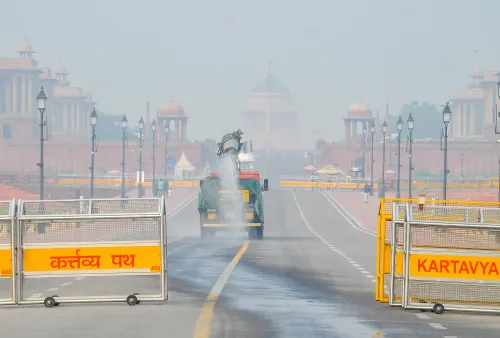
The CAQM had pre-emptively activated GRAP Stage III restrictions across Delhi-NCR ahead of Diwali.
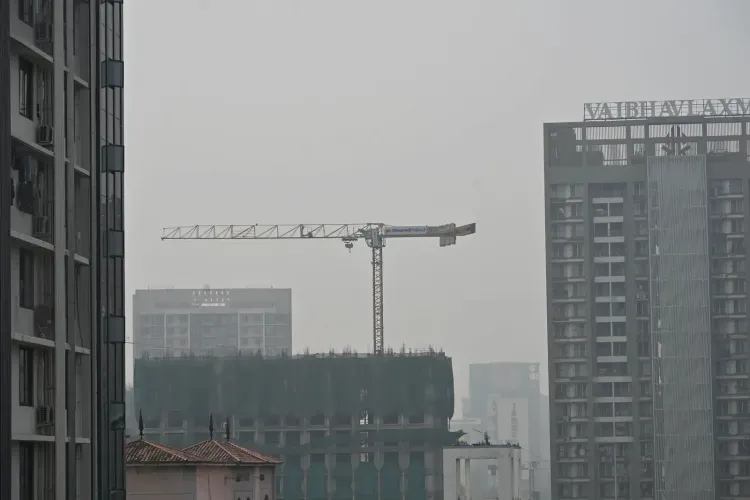
Mumbai's air quality on Diwali 2026 told a tale of two halves: a relatively clean afternoon — the city's best Diwali daytime air in four years — followed by a sharp, dangerous spike as firecracker smoke blanketed neighbourhoods well into the night. The city recorded an overall Air Quality Index (AQI) of 132 on Sunday, 9 November 2026, nearly 30% lower than the 188 logged on the same occasion in 2025, but the relief proved short-lived.
Daytime Improvement, Nighttime Collapse
Mumbai's afternoon air quality was notably cleaner than in recent years, with the Central Pollution Control Board (CPCB) dashboard recording an AQI of 131 around 1 pm on Sunday. This compares favourably against Diwali afternoon readings of 194 in 2025, 181 in 2024, and 149 in 2023, according to an earlier report by a leading English daily. Meteorologists attributed the improvement to strong sea breezes that helped disperse pollutants during daylight hours.
However, as evening firecracker use intensified, conditions deteriorated rapidly. By 9:34 pm, live readings on AQI.in placed Mumbai's AQI at 278. PM2.5 concentrations reached 192 micrograms per cubic metre and PM10 levels climbed to 232 micrograms per cubic metre — well above safe thresholds.
Hotspots: Malad, Andheri, Chembur Among Worst Hit
The granular station data underscored just how severe the overnight surge was. In Andheri, PM2.5 levels jumped from 42 at 8 pm to 597 within two hours. Malad recorded an even higher PM2.5 concentration of 606, while Chembur reported PM10 levels of 480 at 10 pm.
Among other severely affected monitoring locations, Bandra East (Kherwadi) recorded an AQI of 195, followed by Shivaji Nagar in Mankhurd at 183, Bandra Kurla Complex at 173, Ghatkopar at 170, Chembur at 168, and Mazgaon at 133. Notably, 20 of Mumbai's 26 monitoring stations recorded AQI levels above 100 even on Diwali afternoon, before the worst of the firecracker emissions began.
Post-Diwali Air Quality: Still Poor by Monday
Elevated pollution persisted into the following morning. By Monday, the AQI around Bandra Reclamation and Kala Nagar stood at 231, placing those areas in the 'Poor' category as classified by the CPCB. Neighbouring Thane also witnessed severe air quality deterioration on Diwali night, according to reports.
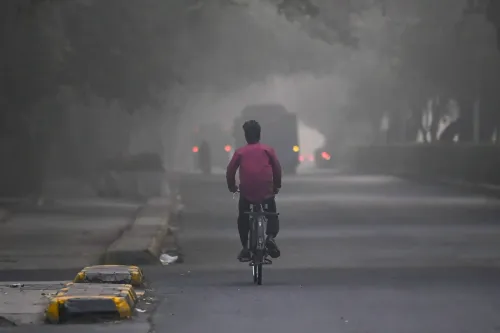
This comes amid a broader trend: Mumbai's air quality had already begun declining during the first week of October, as the city transitioned into its annual winter pollution window driven by lower wind speeds and atmospheric inversion.
Delhi-NCR: A Far Grimmer Picture
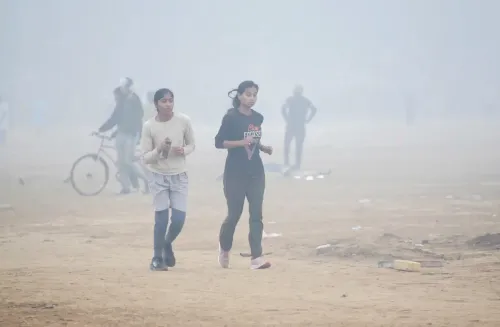
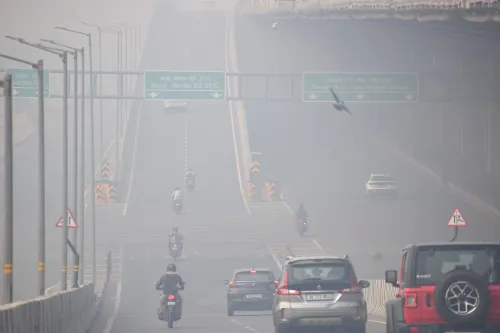
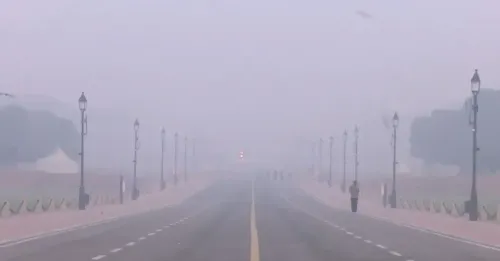
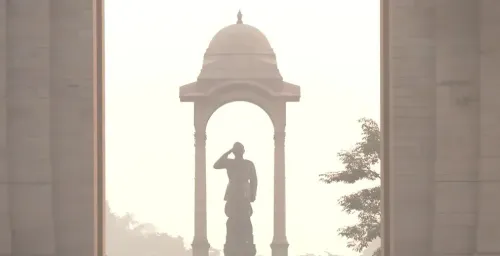
While Mumbai's situation was concerning, the National Capital Region (NCR) presented a significantly more severe scenario. Delhi's overall AQI reached 373 at 11:05 pm on 8 November 2026, according to the CPCB's Sameer application, placing the capital in the 'Very Poor' category. Noida recorded an average AQI of 319, while Ghaziabad, Gurugram, and Faridabad stood at 360, 280, and 297 respectively — all in the 'Very Poor' range.
Several Delhi localities crossed the 400 mark, entering the 'Severe' category. These included Alipur, Bawana, Burari, Chandni Chowk, Mundka, Punjabi Bagh, Rohini, and Vivek Vihar. Ahead of the festivities, the Commission for Air Quality Management (CAQM) had implemented Stage III restrictions under the Graded Response Action Plan (GRAP) across Delhi-NCR as a precautionary measure.
With pollution levels expected to remain elevated as winter sets in, authorities and public health advocates are likely to face renewed pressure to enforce stricter firecracker regulations ahead of the next festive season.
Point of View
But it risks being read as vindication of a status quo that still allowed PM2.5 to hit 606 in a residential neighbourhood within two hours of celebrations beginning. The pattern — cleaner afternoons, catastrophic evenings — has repeated itself for years, suggesting weather luck rather than policy success is doing most of the heavy lifting. India's firecracker regulations remain largely unenforceable at scale, and the gap between daytime and nighttime readings is essentially a measure of how little enforcement actually occurs after dark. Until regulators move beyond advisories to verifiable local restrictions with real-time consequence, each year's marginal daytime improvement will be neutralised by the same post-sunset collapse.
NationPress
9 Nov 2026
Frequently Asked Questions
What was Mumbai's AQI on Diwali 2026?
Mumbai recorded an overall AQI of 132 on Diwali 2026 (Sunday, 9 November), which was nearly 30% lower than the 188 recorded during Diwali 2025. However, AQI climbed to 278 by 9:34 pm as firecracker use intensified, with PM2.5 reaching 192 micrograms per cubic metre.
Which Mumbai areas had the worst air quality on Diwali night?
Malad recorded the highest PM2.5 concentration of 606, while Andheri saw PM2.5 jump from 42 to 597 within two hours. Chembur reported PM10 levels of 480 at 10 pm, and Bandra East (Kherwadi) had a daytime AQI of 195.
How does Mumbai's Diwali 2026 air quality compare with previous years?
Mumbai's Diwali afternoon AQI of 131 in 2026 was the lowest in four years, compared to 194 in 2025, 181 in 2024, and 149 in 2023. Despite this improvement, nighttime pollution surged sharply due to firecracker emissions, as in prior years.
What was Delhi's AQI on Diwali night 2026?
Delhi's overall AQI reached 373 at 11:05 pm on 8 November 2026, placing it in the 'Very Poor' category per the CPCB's Sameer application. Several localities including Alipur, Bawana, and Rohini crossed 400, entering the 'Severe' category.
What measures were in place for Delhi-NCR's air quality during Diwali 2026?
The Commission for Air Quality Management (CAQM) implemented Stage III restrictions under the Graded Response Action Plan (GRAP) across Delhi-NCR ahead of Diwali as a precautionary step, anticipating a decline in air quality during the festive period.