Goa CM Sawant calls on PM Modi with family at Seva Teertha
Synopsis
Goa Chief Minister Pramod Sawant visited Prime Minister Narendra Modi at Seva Teertha on 27 May 2026 with his family. He described the meeting as emotionally significant, citing his father's roots in the Jan Sangh and expressing gratitude to Modi for inspiring crores of BJP karyakartas in the service of the nation.
Key Takeaways
Goa CM Pramod Sawant called on Prime Minister Narendra Modi at Seva Teertha on 27 May 2026 with his family.
Sawant described the visit as 'especially emotional' for his father, who began his public service journey through the Jan Sangh .
The Bharatiya Jana Sangh , founded in 1951 , merged into the BJP in 1980 and remains a foundational reference point in the party's ideological identity.
Sawant expressed gratitude to the PM for inspiring ' crores of Karyakartas ' in the service of the nation.
The visit reflects a recurring pattern of state BJP leaders publicly reaffirming personal and ideological ties to the Prime Minister and the party's founding ethos.
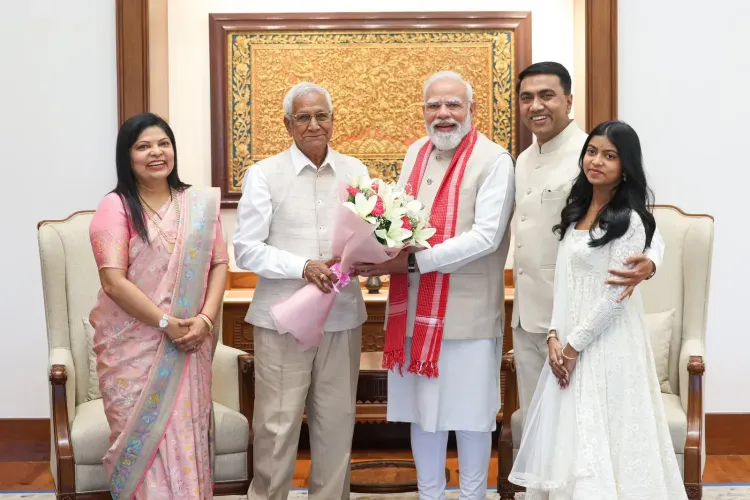
Goa Chief Minister Pramod Sawant called on Prime Minister Narendra Modi at Seva Teertha on Wednesday, 27 May 2026, accompanied by his family, describing the meeting as both a privilege and an emotionally significant occasion.
Context
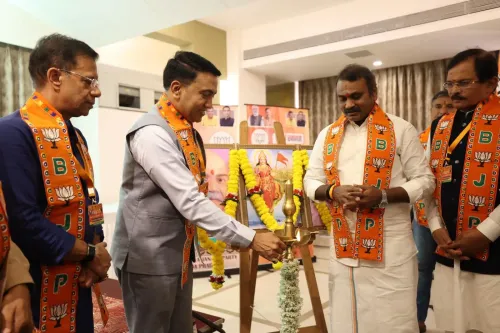
Sawant shared the visit on social media, noting it was 'especially emotional' for his father, whom he referred to as 'Pappa'. The Chief Minister said his father began his journey of social work through the Jan Sangh and has 'carried that spirit of seva forward all his life'. The post included four photographs from the meeting.
Sawant extended 'heartfelt gratitude' to the Prime Minister for 'continuing to inspire crores of Karyakartas in the service of the nation', framing the encounter as one rooted in ideological continuity and personal devotion to public service.
Policy Backdrop
The reference to the Jan Sangh carries significant historical weight within the BJP ecosystem. The Bharatiya Jana Sangh was founded in 1951 as an electoral vehicle rooted in integral humanism and Hindu nationalist ideology, before merging into the Bharatiya Janata Party in 1980. For families with roots in the Jan Sangh, the BJP's current national dominance under Modi is seen as a fulfilment of that founding ideological mission.
The 'seva' ethos — framed as selfless service to the nation — is a recurring touchstone in BJP political culture, drawing its vocabulary from the Rashtriya Swayamsevak Sangh (RSS), the ideological parent of both the Jan Sangh and the BJP. References to this lineage are a common way for state leaders to affirm their alignment with the party's founding values.
Stakeholders and Impact
For Goa BJP workers and the state unit's rank and file, the public sharing of such a meeting reinforces the personal accessibility of the Prime Minister and the continuity of the party's ideological heritage at the grassroots level. Meetings of this nature carry symbolic weight for karyakartas — party workers — who see them as validation of lifelong commitment to the organisation.
Sawant, who has served as Chief Minister of Goa since 2019, has consistently positioned himself within the ideological tradition of the RSS-BJP ecosystem. The family dimension of this visit adds a personal layer, signalling that the commitment to the party's founding values spans generations within the Sawant household.
What's Next
Such visits by state chief ministers to the Prime Minister often precede or coincide with BJP national executive meetings or organisational review cycles, where state-level performance and party discipline are assessed. Goa, as a small but strategically visible state, remains a focus of the party's organisational attention. Whether this meeting signals any specific policy discussion or is primarily a personal and ceremonial call has not been indicated in the post. The broader pattern of state BJP leaders publicly reaffirming personal ties to Modi and the party's pre-1980 origins is likely to continue ahead of future electoral and organisational milestones.
Point of View
Not merely a personal gesture. By invoking his father's Jan Sangh roots, he situates his own leadership within a multigenerational arc of ideological service — a narrative the BJP actively cultivates to legitimise its current dominance. The 'seva' framing also serves an internal party function, reinforcing loyalty and discipline among grassroots workers who see such proximity to Modi as the ultimate affirmation. At a time when state units are periodically reviewed for organisational health, such visible gestures of alignment carry weight beyond the personal.
NationPress
10 Oct 2026
Frequently Asked Questions
Why did Goa CM Pramod Sawant meet PM Modi at Seva Teertha?
Sawant visited Prime Minister Modi at Seva Teertha on 27 May 2026 with his family for what he described as a personal and emotionally significant call. He cited his father's lifelong journey of social work rooted in the Jan Sangh and expressed gratitude to the PM for inspiring BJP karyakartas.
What is Seva Teertha?
Seva Teertha is the venue where the meeting between Goa CM Pramod Sawant and PM Narendra Modi took place on 27 May 2026, as mentioned in Sawant's post. Specific details about the venue could not be independently verified from available information.
What is the Jan Sangh and what is its connection to the BJP?
The Bharatiya Jana Sangh was a political party founded in 1951, rooted in integral humanism and Hindu nationalist ideology. It merged into the Bharatiya Janata Party in 1980, and its legacy is frequently invoked by BJP leaders as part of the party's founding ideological heritage.
Who is Pramod Sawant?
Pramod Sawant is the Chief Minister of Goa and a BJP leader. He has held the post since 2019 and is known for his alignment with the RSS-BJP ideological tradition.
What does 'karyakarta' mean in the BJP context?
'Karyakarta' is a Hindi word meaning party worker or grassroots volunteer. In the BJP and RSS ecosystem, it refers to dedicated members who serve the organisation and its ideological mission, often without expectation of personal reward.