Is the GOBARDHAN Scheme Driving Gujarat Toward Clean and Self-Reliant Villages?
Click to start listening
Synopsis
Discover how Gujarat is revolutionizing rural development with the GOBARDHAN scheme, transforming villages into clean, self-reliant communities through innovative biogas technology and sustainable practices.
Key Takeaways
- Gujarat's GOBARDHAN scheme is transforming villages through biogas technology.
- Over 12,000 biogas units have been installed, enhancing rural livelihoods.
- The initiative promotes clean energy and improved sanitation.
- Eligible families can receive substantial financial support for biogas plants.
- The scheme is a model for sustainable rural development.
Gandhinagar, Dec 18 (NationPress) Gujarat is making significant strides in establishing clean and self-sufficient villages through the successful execution of the Centre’s transformative GOBARDHAN (Galvanising Organic Bio-Agro Resources Dhan) initiative. This scheme harmonizes cleanliness, renewable energy, prosperity, and good governance at the grassroots level.
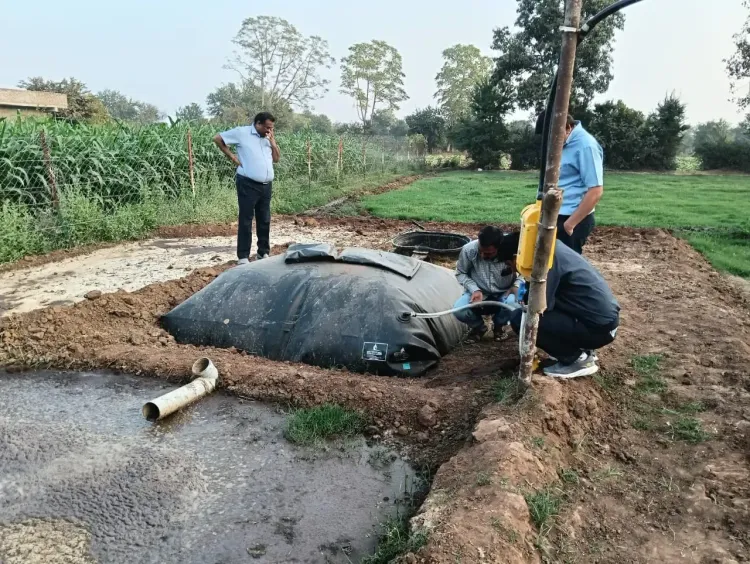
By advocating the scientific management of organic waste via biogas plants, the state has successfully established over 12,000 biogas units, enhancing rural livelihoods while promoting environmental sustainability, as reported by officials on Thursday.
As part of the Swachh Bharat Mission (Gramin), the Commissioner of Rural Development has extended benefits to 12,243 households, with more than 7,423 biogas units installed in Phase I and 4,820 in Phase II. The GOBARDHAN scheme is positioned not just as an environmental program but as a holistic rural development model that provides clean energy, better sanitation, improved health outcomes, and job opportunities, underlining its dedication to transparent governance.
To further enhance the scheme’s impact, the state government, led by Chief Minister Bhupendra Patel, has sanctioned a budget of Rs 25.50 crore for the establishment of an additional 10,000 biogas units across 50 clusters during 2024-25 and 2025-26. This initiative is entirely funded by the state, demonstrating Gujarat’s determination to foster alternative energy and cleanliness in rural regions.
A biogas plant with a two cubic metre capacity costs approximately Rs 42,000. Of this, the beneficiary pays just Rs 5,000, with Rs 25,000 funded by the Centre and the state, while Rs 12,000 is allocated under the MGNREGA. Guided by Rural Development Minister Kunvarjibhai Bavaliya and Minister of State Sanjaysinh Mahida, the scheme is pivotal in advancing villages towards ODF+ status under the Swachh Bharat Mission (Gramin) Phase-II.
The systematic disposal of cattle dung and biodegradable waste through biogas units not only generates clean fuel and organic manure but also creates job opportunities, encourages the formation of fertilizer collectives by women’s self-help groups, and enhances overall rural sanitation.
The advantages of biogas plants are already evident on the ground. Utilizing biogas lowers household expenses related to LPG and mitigates pollution from firewood. The odorless organic slurry produced from the plants has become a valuable resource for organic farming, increasing crop yields and farmer incomes. Surveys reveal a significant drop in smoke-related health issues, eye infections, respiratory ailments, and diseases linked to mosquitoes and flies in villages utilizing biogas technology.
All eligible families, including those from the general, SC, and ST categories owning two or more cattle, can benefit from the GOBARDHAN scheme. This initiative is increasingly recognized as a community-focused program that is advancing Gujarat towards a cleaner environment, energy security, rural employment, and sustained prosperity.
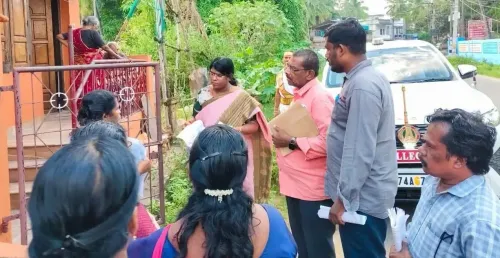
Sharing his experience, Pravinbhai, a progressive farmer from Khodu village in Wadhwan taluka of Surendranagar district, mentioned that he set up a GOBARDHAN biogas unit on his seven-acre farm through the district rural development office.
“The gas produced from the plant is adequate for cooking for four individuals daily, and the slurry is utilized directly via drip irrigation. Consequently, crops like figs, jamun, grapes, lemon, sweet lime, pomegranate, medicinal plants, and green vegetables are yielding much better,” he noted, emphasizing the scheme’s tangible influence on sustainable agriculture and rural livelihoods.
Point of View
It's clear that the GOBARDHAN scheme represents a pivotal shift in how rural development is approached in India. Its focus on sustainability and self-reliance resonates with the nation's broader goals of environmental stewardship and economic empowerment. This initiative is not just about technology; it embodies a commitment to improving living standards and fostering community engagement. With the government’s support, we can expect a significant impact on rural livelihoods and the environment.
NationPress
20/12/2025
Frequently Asked Questions
What is the GOBARDHAN scheme?
The GOBARDHAN scheme stands for Galvanising Organic Bio-Agro Resources Dhan, aimed at promoting cleanliness and renewable energy in rural areas through biogas technology.
How many biogas units have been installed?
More than 12,000 biogas units have been successfully constructed in Gujarat as part of the GOBARDHAN scheme.
Who can benefit from the GOBARDHAN scheme?
Eligible families, including those from general, SC, and ST categories owning two or more cattle, can avail the benefits of the GOBARDHAN scheme.
What are the benefits of biogas plants?
Biogas plants offer clean fuel, organic manure, job opportunities, and enhanced sanitation, while also reducing health issues associated with smoke.
How is the GOBARDHAN scheme funded?
The scheme is funded through a combination of contributions from beneficiaries, state and central government support, along with MGNREGA funding.