Gaurav Gogoi slams 4-day Lok Sabha sitting without Question Hour
Synopsis
A four-day Lok Sabha sitting with no Question Hour, no Zero Hour and no Private Members' Business — notified on Constitution Day. Congress MP Gaurav Gogoi's pointed question, ‘Does the Parliament belong to Modi-Shah?’, frames the move as a squeeze on accountability, while the government has yet to reveal what business the House will actually take up.
Key Takeaways
Congress MP Gaurav Gogoi on 27 November 2026 criticised a four-day Lok Sabha sitting without Question Hour, Zero Hour or Private Members' Business.
In a post on X, Gogoi asked: “Does the Parliament belong to Modi-Shah?” The Lok Sabha Secretariat bulletin was issued on 26 November , Constitution Day.
The second part of the Eighth Session of the 18th Lok Sabha begins at 11 am on 30 November , with sittings on 1, 2 and 3 December .
The House had been adjourned sine die on 13 August .
The government has not yet detailed the full legislative agenda for the sitting.
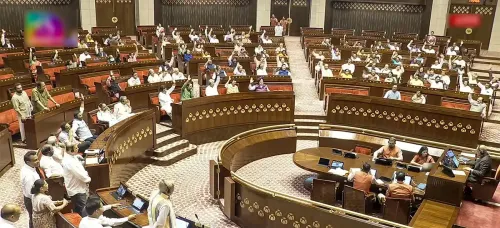
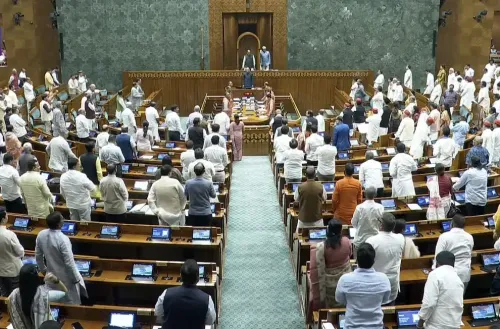
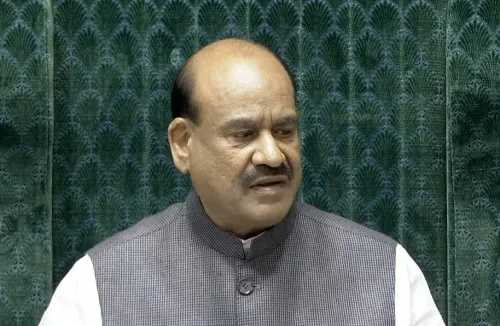
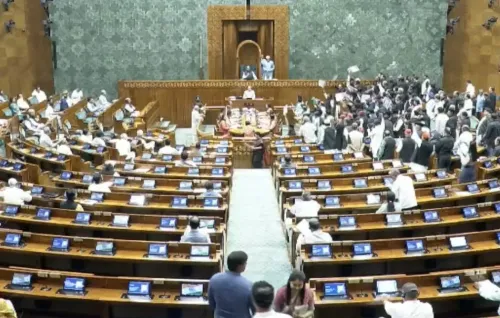
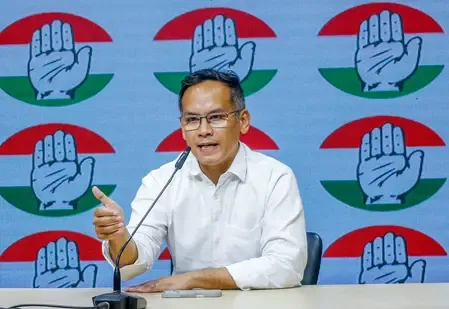
Congress MP Gaurav Gogoi on Friday, 27 November 2026, criticised the Union government over its decision to convene a four-day Lok Sabha sitting without Question Hour, Zero Hour or Private Members' Business. In a sharp post on X, the Congress leader asked whether Parliament belongs to the government. The sitting, notified by the Lok Sabha Secretariat in New Delhi, is scheduled to begin on 30 November.
Gogoi's Attack on the Government
In his post on X, Gogoi pointed to the Lok Sabha Secretariat bulletin that announced the House would reconvene on 30 November but would not take up Question Hour, Zero Hour or Private Members' Business during the four-day sitting.
“Does the Parliament belong to Modi-Shah?” Gogoi asked, referring to Prime Minister Narendra Modi and Home Minister Amit Shah, as he questioned the absence of these key parliamentary proceedings.
The Constitution Day Timing
Gogoi also drew attention to the timing of the bulletin, which was issued on 26 November, the day the country observed Constitution Day in honour of Dr B.R. Ambedkar, the architect of the Indian Constitution.
“Yesterday when the entire country paid homage to Dr. Baba Saheb Bhim Rao Ambedkar, the Lok Sabha issued a bulletin for a short 4-day Parliament session without any question hour, zero hour or private member bill,” the Congress leader said.
Notably, the Opposition's framing links the procedural decision to the symbolism of Constitution Day, positioning the curtailment of debate tools as a question of constitutional accountability rather than mere scheduling.
What the Lok Sabha Bulletin Says
According to the Lok Sabha Secretariat bulletin dated 26 November, the second part of the Eighth Session of the 18th Lok Sabha will commence at 11 am on 30 November. The House had been adjourned sine die on 13 August.
As per the provisional schedule, the Lok Sabha will meet on 30 November and 1, 2 and 3 December, subject to government business. The bulletin explicitly states there will be no Question Hour, Zero Hour or Private Members' Business during these sittings.
Why Question Hour and Zero Hour Matter
Question Hour allows MPs to put questions directly to ministers and seek answers on the floor of the House, making it one of the primary instruments of executive accountability. Zero Hour gives members room to flag urgent public issues, while Private Members' Business is the only window for MPs who are not ministers to introduce their own legislation.
The announcement has raised questions from the Opposition over the limited duration of the sitting and the absence of opportunities for MPs to raise questions, flag public issues and introduce private members' legislation. This comes amid a recurring debate over the shrinking space for parliamentary scrutiny; Question Hour was also dropped during the 2020 Monsoon Session, a move the Opposition protested at the time.
What Happens Next
The government is yet to publicly detail the complete legislative and business agenda for the four-day sitting. With the House set to reconvene on Monday, all eyes will be on whether the Centre responds to the Opposition's objections or whether the sitting opens amid protests on the floor.
Point of View
Not to be questioned. Whatever the legislative urgency, the absence of a published agenda makes the curtailment harder to defend — if the business is pressing, the Centre should say what it is. The 2020 precedent was justified by a pandemic; no such explanation has been offered here. Parliament's credibility rests on ministers answering questions, and every session that skips that duty normalises a thinner form of accountability.
NationPress
27 Nov 2026
Frequently Asked Questions
Why did Gaurav Gogoi criticise the government over the Lok Sabha sitting?
Gogoi criticised the government because the upcoming four-day Lok Sabha sitting will have no Question Hour, Zero Hour or Private Members' Business. In a post on X, he asked, “Does the Parliament belong to Modi-Shah?”
When will the Lok Sabha reconvene?
The Lok Sabha will reconvene at 11 am on 30 November, with sittings provisionally scheduled for 30 November and 1, 2 and 3 December, subject to government business. This is the second part of the Eighth Session of the 18th Lok Sabha.
What is Question Hour and Zero Hour in Parliament?
Question Hour is when MPs ask ministers questions and seek answers on the floor of the House, while Zero Hour lets members raise urgent public issues. Both are key tools for holding the government accountable.
Why did Gogoi mention Constitution Day?
Gogoi pointed out that the Lok Sabha bulletin was issued on 26 November, the day the country observed Constitution Day in honour of Dr B.R. Ambedkar. He contrasted the homage paid to Ambedkar with the decision to drop key parliamentary proceedings.
What business will the Lok Sabha take up during the four-day sitting?
The government has not yet publicly detailed the complete legislative and business agenda for the sitting. The bulletin only states that the sittings are subject to government business.