Is the Government Concerned About Rupee Depreciation?
Click to start listening
Synopsis
Chief Economic Advisor V. Anantha Nageswaran reassures that the government is not troubled by the rupee's depreciation, highlighting its minimal impact on inflation and exports. With expectations of recovery in the coming year, analysts suggest that a potential India-US trade deal could stabilize the currency.
Key Takeaways
- Rupee depreciation is currently not impacting inflation or exports.
- The government remains unconcerned about the rupee's decline.
- RBI's interventions are limited due to foreign exchange constraints.
- Analysts predict a potential recovery linked to an India-US trade deal.
- Market sentiment is cautious as traders await stability signs.
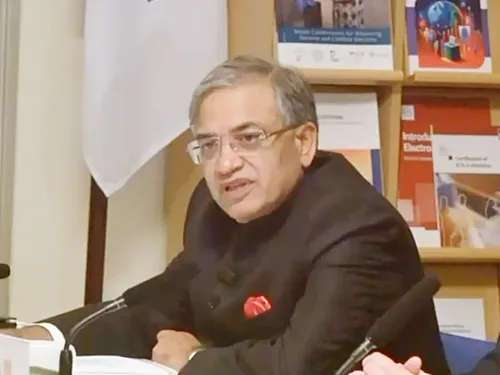
New Delhi, Dec 3 (NationPress) Chief Economic Advisor V. Anantha Nageswaran addressed concerns regarding any significant negative impact on the economy due to the rupee's depreciation. He stated, "The declining rupee is not influencing inflation or exports," while interacting with the media following a CII event.
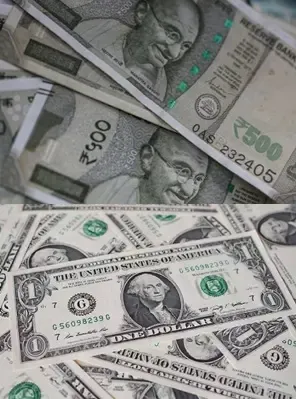
Responding to inquiries, especially after the rupee temporarily dipped below the 90 mark against the US dollar, Nageswaran remarked: "The government is not overly concerned about the slumping Indian currency." He expressed optimism that the rupee is expected to recover in the upcoming year.
The rupee has faced a depreciation of approximately 5 percent against the US dollar in 2025, largely due to global economic uncertainties stemming from US tariffs imposed on India's exports. The RBI has been actively intervening to stabilize the rupee by selling US dollars, although such measures are limited by foreign exchange constraints.
The decline of the rupee has been attributed to weak foreign investments, substantial offshore positioning, and uncertainties surrounding a trade agreement between the US and India.
Market analysts noted that traders are remaining cautious, seeking indicators of stability in the rupee and clarity regarding the ongoing trade discussions between India and the US.
"The depreciation of the rupee is likely to stop and potentially reverse once the India-US trade deal is finalized, which is anticipated this month, although the specifics of the tariffs will play a crucial role," mentioned an analyst.
On Wednesday, the Indian stock market opened quietly, with both benchmark indices showing minimal fluctuations in early trading.
"A significant concern is the ongoing depreciation of the rupee, which has contributed to the market's gradual decline, coupled with the RBI's limited intervention", stated an analyst.
This situation is causing foreign institutional investors (FIIs) to offload shares despite the positive fundamentals of robust corporate earnings and a strong GDP recovery, analysts highlighted.
Some experts believe that the rupee could rebound if an agreement is reached on the bilateral trade deal with the US. “There is a prevailing sentiment that the rupee's decline may stabilize or reverse if we receive favorable news regarding the India-US trade agreement," said VK Vijayakumar, Chief Investment Strategist at Geojit Investments.
Point of View
I believe that the current situation regarding the rupee's depreciation requires careful monitoring. While government officials express confidence, the market's reaction and analysts' concerns highlight the need for a solid trade agreement between India and the US. Transparency and effective communication will be crucial in managing public sentiment and ensuring economic stability.
NationPress
03/12/2025
Frequently Asked Questions
What impact does rupee depreciation have on inflation?
According to Chief Economic Advisor V. Anantha Nageswaran, the falling rupee is not affecting inflation or exports significantly at this moment.
Why has the rupee depreciated?
The rupee's depreciation is attributed to weak foreign flows, large offshore positioning, and uncertainty surrounding a trade deal between the US and India.
What measures is the RBI taking to support the rupee?
The RBI is intervening in the market by selling US dollars to curb excessive volatility, but such measures are limited by foreign exchange constraints.
Will the rupee recover soon?
Nageswaran has expressed optimism that the rupee should improve next year, particularly if the India-US trade deal is finalized.
How are foreign investors reacting to the rupee's decline?
Analysts report that foreign institutional investors are selling shares due to concerns over the rupee's depreciation, despite positive economic fundamentals.