How is the Govt Protecting Farmers through Agricultural Import & Export Oversight?
Synopsis
In a significant move, the Indian government is intensifying its vigilance over agricultural imports and exports. This proactive approach aims to protect farmers while ensuring food security. Discover how various committees and programs are working together to safeguard domestic interests.
Key Takeaways
Government oversight on agricultural imports and exports.
Formation of an Inter-Ministerial Committee for monitoring essential commodities.
Implementation of the Minimum Support Price (MSP) scheme.
Financial assistance for exporters through APEDA .
Training programs to enhance farmers' export potential.
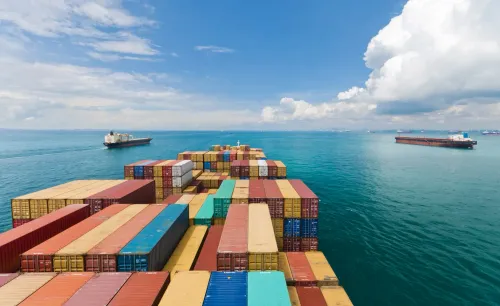
New Delhi, Dec 19 (NationPress) The Parliament was informed on Friday that the Union government is actively overseeing the nation's import and export activities, regularly updating trade policies to protect domestic interests.
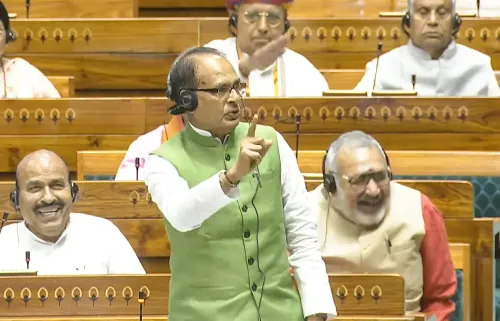
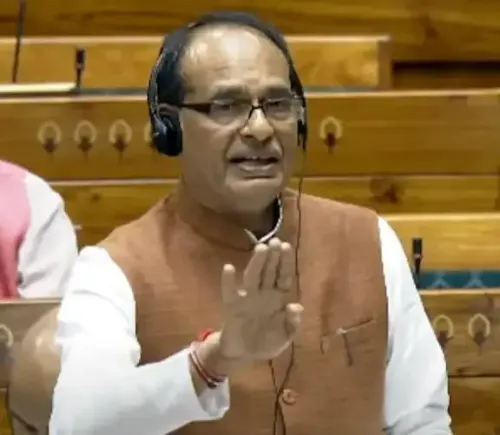
Minister of State for Agriculture and Farmers Welfare, Ramnath Thakur, noted in a written reply during a Rajya Sabha session that there exists an Inter-Ministerial Committee focused on essential agricultural commodities, which consistently monitors these items while analyzing factors impacting their availability and market dynamics.
This committee also tracks any increase in imports to swiftly identify trends that could affect domestic production, trade, or food security.
To safeguard farmers' interests and lessen unnecessary imports, the Department of Agriculture & Farmers Welfare (DA&FW) evaluates the import of agricultural products and, when necessary, suggests actions such as import duties or port restrictions to relevant ministries.
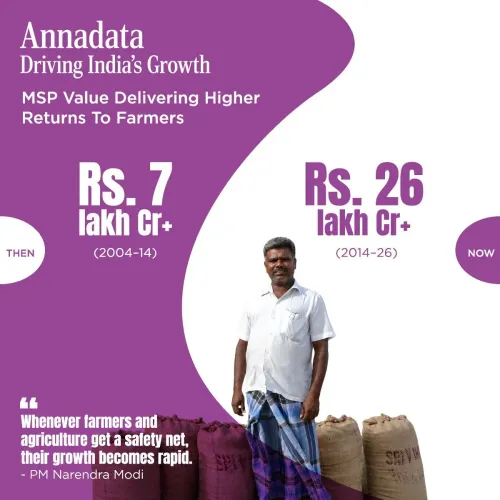
The government backs farmers through various ongoing programs and interventions. These include market intervention via procurement under the Minimum Support Price (MSP) scheme for designated crops, as well as Price Stabilisation Fund (PSF) operations to manage market volatility for key commodities like onions. The government also employs market intelligence and buffer stocking initiatives through central agencies.
In addition, the government implements input and income support programs, such as PM-KISAN, aimed at providing a safety net for farmers amid income variability. Collectively, these strategies are designed to alleviate the negative impacts on farmers resulting from market disruptions, the minister explained.
The Department of Commerce, via the Agricultural and Processed Food Products Export Development Authority (APEDA), offers financial support to member exporters, Farmer Producer Organisations (FPOs), and Farmer Producer Companies (FPCs) nationwide under its Financial Assistance Program.
Specifically regarding connecting farmers to global markets, APEDA assists with funding for the implementation and certification of Good Agricultural Practices (GAP) through its registered exporters, ensuring they meet the quality standards mandated by importing countries.
Moreover, approximately 1080 capacity building/training programs were conducted in 2025-26 across India, in collaboration with state government agencies, targeting exporters, including FPOs, FPCs, and Self-Help Groups (SHGs). This initiative aims to connect farmer groups to the export supply chain and encourage entrepreneurship among potential exporters.
Finally, APEDA has facilitated participation for its member exporters, including FPOs and FPCs, in major international food exhibitions and buyer-seller meetings both in India and abroad, such as World Food India, Indus Food, AAHAR in India, and Gulf Food, as noted by the minister.
Point of View
It is essential to recognize the government's role in ensuring the stability of the agricultural sector. By actively regulating imports and exports, the government aims to protect farmers from market volatility and enhance food security. This approach reflects a commitment to supporting domestic agriculture and securing the livelihoods of farmers.
NationPress
12 Oct 2026
Frequently Asked Questions
What measures is the government taking to protect farmers?
The government is monitoring agricultural imports and exports, revising trade policies, and implementing support programs like Minimum Support Price (MSP) and PM-KISAN to safeguard farmers' interests.
How does the Inter-Ministerial Committee function?
The Inter-Ministerial Committee regularly analyzes essential agricultural commodities, monitoring market conditions and import trends to protect domestic production and food security.
What financial support is available for exporters?
APEDA provides financial assistance to member exporters, Farmer Producer Organisations (FPOs), and Farmer Producer Companies (FPCs) to help them meet international quality standards.
What training programs are available for farmers?
Over 1080 capacity building and training programs have been conducted to link farmer groups to the export supply chain and promote entrepreneurship among prospective exporters.
How does the government ensure market stability?
The government employs market intelligence, buffer stocking, and Price Stabilisation Fund (PSF) operations to manage volatility in essential commodities.