Goyal backs BJP chief's warning on anti-India agenda
Synopsis
Commerce Minister Piyush Goyal amplified a BJP National President address warning that plans to destabilise India will fail, naming Rahul Gandhi and global forces as adversaries frustrated by India's rapid progress under PM Modi.
Key Takeaways
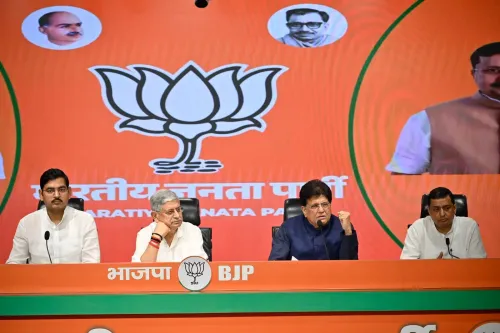
Commerce Minister Piyush Goyal shared a BJP National President video address on 17 October 2026 , amplifying a warning against alleged anti-India agendas.
The post declares in Hindi that 'plans to destabilise India will never succeed,' citing India's rapid progress under PM Narendra Modi .
Rahul Gandhi is named explicitly alongside 'global forces' as part of what the BJP frames as a coordinated opposition agenda.
The BJP has consistently used this narrative since 2014 to frame domestic and international criticism as threats to national sovereignty.
Goyal's amplification as Leader of the House in the Rajya Sabha signals central leadership endorsement of the messaging.
Responses from Congress and a potential Ministry of External Affairs statement on foreign interference claims are being watched.
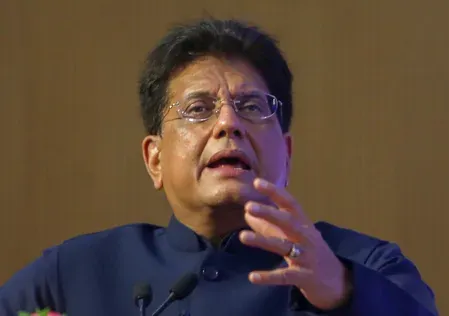
Plans to destabilise India will never succeed — that is the blunt message Union Commerce and Industry Minister Piyush Goyal amplified on Saturday, 17 October 2026, sharing remarks by the BJP National President that took direct aim at both global forces and the domestic opposition, naming Rahul Gandhi explicitly.
Goyal's post, written in Hindi, states: 'Bharat ko asthir karne ke mansoobe kabhi safal nahin honge' — 'Plans to destabilise India will never succeed.' He frames India's rapid progress under Prime Minister Narendra Modi as the trigger for what he calls the 'frustration' of global powers and the entire opposition, including Gandhi.
BJP chief's address: what was said and why it matters now
The post amplifies a video address by the BJP National President, who shared what Goyal describes as 'important thoughts before the nation' regarding a coordinated agenda linking international actors to the domestic opposition. The framing is pointed: India's accelerating growth is presented not merely as a policy achievement but as the very reason adversaries — foreign and domestic — are allegedly pushing back.
This is a well-worn but politically potent BJP narrative. Since 2014, the party has consistently argued that criticism of the Modi government — whether from global rights bodies, foreign governments, or opposition parties — reflects a coordinated effort to undermine Indian sovereignty rather than legitimate democratic scrutiny.
Rahul Gandhi called out by name
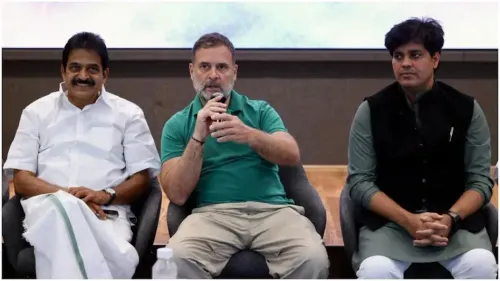
Singling out Rahul Gandhi by name alongside 'global forces' is a deliberate escalation in register. The Congress leader has been the BJP's primary political target for years, and his international engagements — including meetings with foreign lawmakers and diaspora groups — have previously drawn sharp responses from the ruling party, which has questioned the intent and effect of such outreach.
By placing Gandhi in the same sentence as 'global powers' alleged to be rattled by India's rise, the BJP's messaging seeks to frame the opposition's political activity as aligned with external pressure on New Delhi — a charge Congress has consistently and forcefully denied.
A senior minister's amplification carries its own signal
Goyal is not a backbencher. As Leader of the House in the Rajya Sabha and a senior Cabinet minister, his decision to personally amplify this message signals that the BJP's central leadership is fully behind the narrative being set by the party president. When a minister of his rank re-posts an intra-party address, it becomes government-adjacent messaging — and the political world takes note.
Congress and other opposition parties are expected to push back sharply. Any formal response from the Ministry of External Affairs on the specific claim of foreign interference would elevate this from political rhetoric to official diplomatic posture — a line that has not yet been crossed.
India's political temperature, it seems, is running well ahead of its October calendar.
Point of View
A frame that has historically energised the party's base while putting the opposition on the defensive. The key variable going forward is whether the government escalates this into formal diplomatic language, which would mark a significant hardening of posture.
NationPress
18 Oct 2026
Frequently Asked Questions
What did Piyush Goyal post about India being destabilised?
Goyal shared a BJP National President address warning that plans to destabilise India will never succeed, framing global forces and the opposition — including Rahul Gandhi — as frustrated by India's rapid progress under PM Modi.
Why did BJP name Rahul Gandhi alongside global forces?
The BJP's messaging places Gandhi in the same frame as international actors allegedly hostile to India's rise, a strategy aimed at questioning whether opposition political activity aligns with external pressure on New Delhi — a charge Congress denies.
Who is the BJP National President mentioned in Goyal's post?
Goyal's post references the BJP National President sharing important thoughts before the nation; the specific individual's verified identity at the time of the post falls outside confirmed information.
What is the BJP's broader narrative on foreign interference in Indian politics?
Since 2014, the BJP has argued that criticism from global rights bodies, foreign governments, or opposition parties reflects coordinated attempts to undermine Indian sovereignty rather than legitimate democratic scrutiny.
What could happen next after Goyal's post on the anti-India agenda?
Political watchers are looking for a formal Congress rebuttal and any Ministry of External Affairs statement on foreign interference claims, which would elevate the issue from party rhetoric to official diplomatic posture.