India eyes $30 trillion economy by 2047: Piyush Goyal at Tokyo meet
Synopsis
Commerce Minister Piyush Goyal's Tokyo meeting with MUFG, Nomura, Morgan Stanley and others wasn't routine diplomacy — it was a direct pitch for Japan's financial firepower. With a 10 trillion yen private investment target on the table and sectors from green hydrogen to AI on offer, India is positioning itself as the defining emerging-market bet of the next two decades.
Key Takeaways
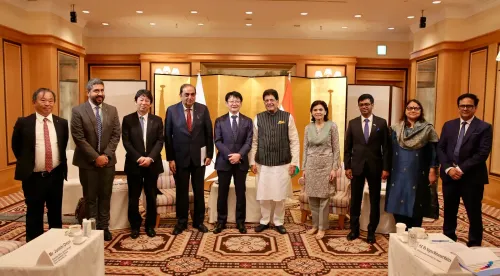
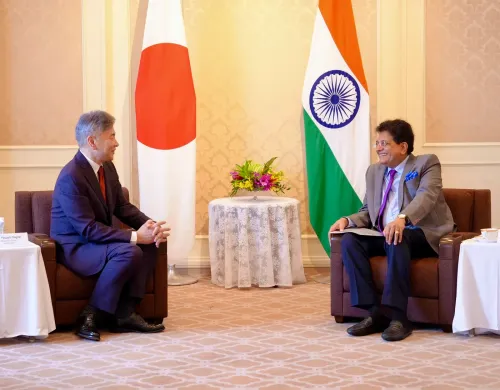
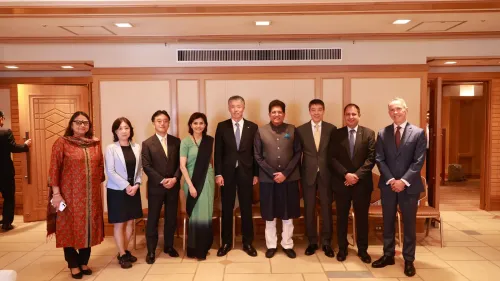
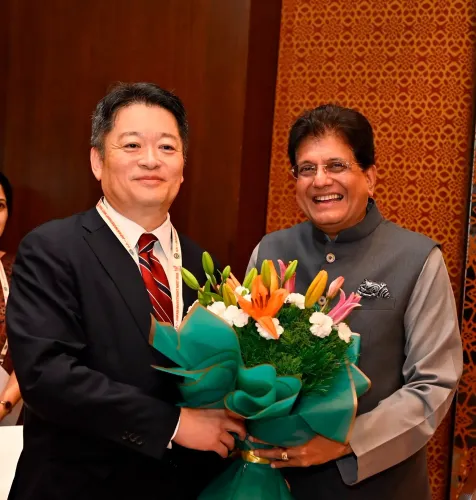
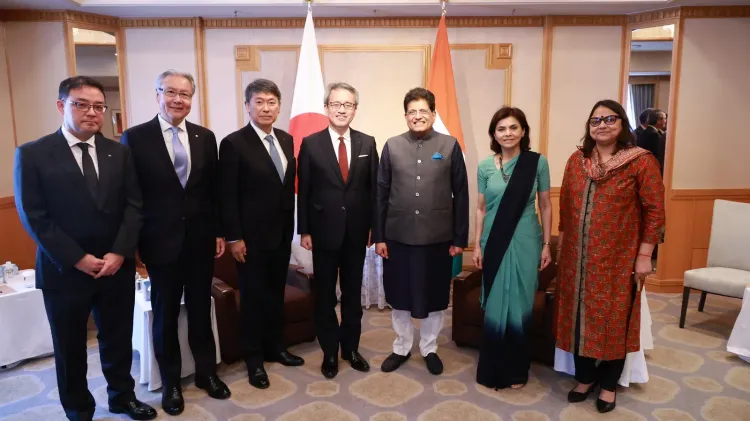
Commerce Minister Piyush Goyal met senior leaders of MUFG, DBJ, Mizuho, Morgan Stanley, Nomura , and Nippon Life in Tokyo on Tuesday, 25 August .
India recorded 7.7% GDP growth last year and is targeting a $30 trillion economy by 2047 .
MUFG has already invested around $4 billion in Shriram Finance ; Morgan Stanley employs more than 19,000 people in India.
Key sectors flagged for Japanese investment include semiconductors, AI, data centres, renewable energy , and green hydrogen .
Discussions explored GIFT City as a cross-border investment gateway between India and Japan.
The India-Japan target of mobilising 10 trillion yen of Japanese private investment over the next decade framed the talks.
Commerce and Industry Minister Piyush Goyal on Tuesday told senior leaders of Japan's top financial and investment institutions in Tokyo that India is firmly on course to become a $30 trillion economy by 2047, underpinned by a 7.7% GDP growth rate recorded last year despite significant global headwinds. The high-level engagement centred on deepening long-term capital flows and expanding Japanese participation in India's economic ascent.
Key Discussions and Institutions Represented
The meeting brought together senior representatives of MUFG, Development Bank of Japan (DBJ), Mizuho, Morgan Stanley, Nomura, and Nippon Life — collectively among the most influential financial institutions in Asia. Talks focused on strengthening investment partnerships, long-term capital mobilisation, and broadening the scope of Japan-India economic collaboration.
Minister Goyal underlined the resilience of India's banking sector, citing robust capital adequacy ratios, low non-performing asset levels, an expanding middle class, and rising disposable incomes as structural drivers of sustained growth.
Sectors Flagged for Japanese Investment
Goyal spotlighted high-opportunity sectors for Japanese investors, including semiconductors, artificial intelligence, data centres, renewable energy, green hydrogen, advanced manufacturing, and digital infrastructure. He noted that India's expanding renewable energy capacity and national power grid provide a strong base for energy-intensive digital industries, while the India Semiconductor Mission is generating fresh opportunities across manufacturing and technology.
India regards Japan as a trusted partner in its ambition to become a global manufacturing, technology, and investment hub, Goyal emphasised, adding that the government remains committed to intellectual property protection, high-quality talent availability, and policy reforms that improve the business environment, according to an official statement.
What Japanese Institutions Said
MUFG highlighted its investment of around $4 billion in Shriram Finance and its growing interests in renewable energy and hydrogen. DBJ outlined a dedicated India strategy, with expanding interest in property development and venture capital. Mizuho pointed to improving profitability of Japanese companies in India and the expansion of its Global Capability Centre in Pune.
Morgan Stanley described India as one of its most important global locations, with more than 19,000 employees, and highlighted a strategic shift toward higher-value capital markets and financial services. Nomura underscored its long-standing India presence and its role connecting Japanese and global industries with Indian opportunities, including through AI and cybersecurity capabilities. Nippon Life emphasised the value of long-term 'patient capital' and noted strong returns from its Indian operations.
GIFT City and the 10 Trillion Yen Target
The discussions also explored the potential of GIFT City as a gateway for international capital into India and as a platform for greater cross-border investment flows between the two nations. The meeting assumes particular significance given the India-Japan objective of mobilising 10 trillion yen of Japanese private investment into India over the next decade — a commitment that frames the urgency and scale of Tuesday's engagement.
With both governments aligned on deepening economic ties, the next steps are expected to involve sector-specific investment frameworks and follow-up engagements between Indian ministries and Japanese institutional partners.
Point of View
But the real question is whether it translates into manufacturing jobs and technology transfer or stays concentrated in financial services and real estate. Japan's institutional investors have historically preferred patient, low-risk exposure — the strong Nippon Life and DBJ presence signals exactly that profile. India's pitch on semiconductors and green hydrogen is well-timed given China-plus-one supply chain shifts, but execution on the India Semiconductor Mission has so far lagged announcements. GIFT City's repeated appearance in these conversations suggests it is becoming India's preferred funnel for foreign institutional capital — a bet that deserves closer scrutiny on regulatory readiness.
NationPress
9 Oct 2026
Frequently Asked Questions
What did Piyush Goyal say about India's economic target at the Tokyo meeting?
Commerce and Industry Minister Piyush Goyal told Japanese financial leaders in Tokyo on 25 August that India is working towards becoming a $30 trillion economy by 2047, backed by 7.7% GDP growth last year. He highlighted the strength of India's banking sector, expanding middle class, and rising disposable incomes as key growth drivers.
Which Japanese institutions attended the investment meeting with Piyush Goyal?
The meeting included senior representatives of MUFG, Development Bank of Japan (DBJ), Mizuho, Morgan Stanley, Nomura, and Nippon Life. The discussions focused on long-term capital flows, investment partnerships, and expanding Japanese participation in India's growth.
What is the India-Japan 10 trillion yen investment target?
India and Japan have set an objective to mobilise 10 trillion yen of Japanese private investment into India over the next decade. This target framed Tuesday's discussions in Tokyo and underscores the scale of bilateral economic ambitions between the two countries.
What sectors did India highlight for Japanese investors?
Minister Goyal flagged semiconductors, artificial intelligence, data centres, renewable energy, green hydrogen, advanced manufacturing, and digital infrastructure as priority sectors for Japanese investment. He also pointed to the India Semiconductor Mission as creating new manufacturing and technology opportunities.
What role does GIFT City play in India-Japan investment flows?
GIFT City was discussed as a potential gateway for international capital into India and a platform to facilitate cross-border investment flows between Japan and India. It has emerged as a recurring feature in India's outreach to global institutional investors.