Gujarat ACB seizes ₹2.64 crore from Chief Electrical Inspector in solar bribe probe
Synopsis
A Gujarat government officer responsible for approving solar power projects allegedly cleared over 100 files in a single week — without a single site inspection — while ferrying bribe cash home in his official car. The ACB's ₹2.64 crore haul from his vehicle and two residences has opened a probe into a wider network of companies, agents, and possibly subordinate officials.
Key Takeaways
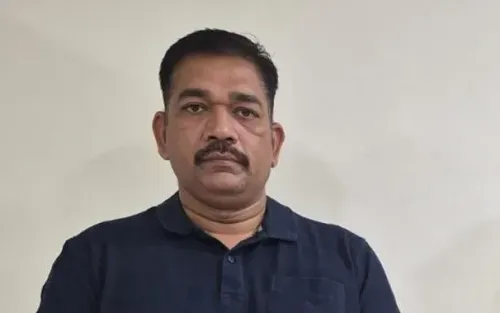
Gujarat ACB registered a disproportionate assets case against Ashwin Chaudhari , Chief Electrical Inspector at Udyog Bhavan, Gandhinagar , on 31 May 2025 .
Total assets seized: ₹2,64,97,880 , including ₹1,76,14,970 cash and gold/silver valued at ₹88,82,910 from two residences, plus ₹5,51,730 from his government vehicle.
Chaudhari allegedly approved solar project NOCs and safety certificates without mandatory site inspections over approximately four years in the role.
The ACB says he cleared more than 100 files in a single week , with some approvals reportedly granted within a single day.
During preliminary questioning, Chaudhari reportedly admitted the vehicle cash was obtained through bribes, according to the ACB.
The FIR was filed under Sections 13(1)(b) and 13(2) of the Prevention of Corruption (Amendment) Act, 2018 ; investigation is ongoing.
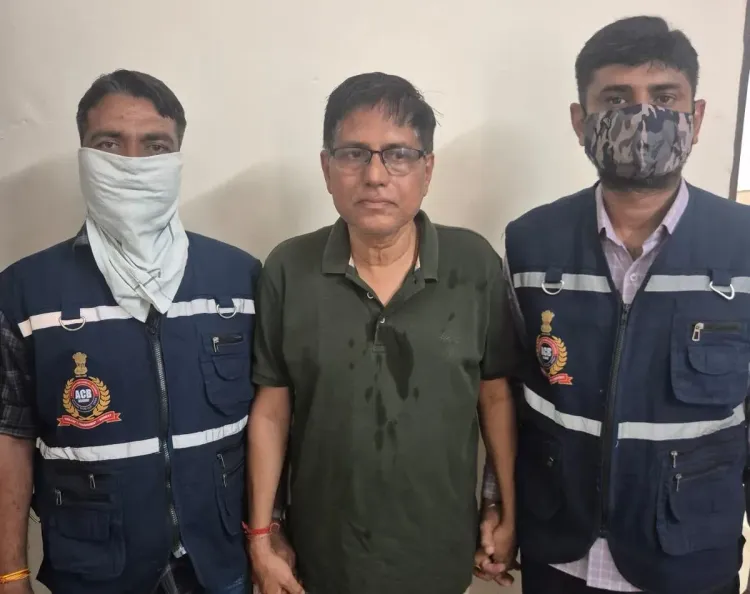
The Gujarat Anti-Corruption Bureau (ACB) on Monday, 2 June 2025, registered a disproportionate assets case against Ashwin Chaudhari, a Class-I Chief Electrical Inspector posted at Udyog Bhavan in Gandhinagar, after recovering cash, gold, silver, and other valuables collectively worth ₹2.64 crore from his government vehicle and two residences. The case centres on allegations that Chaudhari routinely issued no-objection certificates (NOCs) and safety approvals for solar power projects without conducting mandatory site inspections, allegedly in exchange for bribes.
How the Operation Unfolded
Police Inspector P.N. Khokhra of the ACB's Field-3 Intelligence Wing received inputs that Chaudhari was transporting cash collected during the day in his government-issued white Swift Dzire car after office hours. A surveillance operation was launched under the supervision of Assistant Director Ashwin Patel.
The ACB team intercepted the vehicle late on Sunday evening while Chaudhari was en route home. A search yielded ₹5,51,730 in cash along with gift vouchers. Chaudhari reportedly failed to provide a satisfactory explanation for the source of the money.
Assets Recovered from Residences
Preliminary questioning led investigators to two properties. Searches at Chaudhari's government residential quarter in Gandhinagar and his privately owned residence in Surat uncovered ₹1,76,14,970 in cash and gold and silver bars, jewellery, and coins valued at an estimated ₹88,82,910.
Combined with the vehicle seizure, the total value of assets recovered stood at ₹2,64,97,880, according to the ACB. Investigators concluded that the assets appeared to have been accumulated through corrupt practices beyond Chaudhari's known legal sources of income.
What the ACB Says About the Solar Approval Racket
ACB Deputy Director Bharti Pandya said Chaudhari had held the position for approximately four years and was responsible for approving applications for solar power projects. Under prescribed protocol, officials are required to conduct site inspections and scrutinise submitted plans before granting approval.
'The normal protocol is that after applications are received from companies seeking approval for solar projects, it is mandatory to visit the site for inspection. Thereafter, the submitted plans are examined and, if found appropriate, approval is granted. However, this officer granted approvals without conducting site inspections and without carrying out detailed scrutiny of the plans,' Pandya said.
According to the ACB, Chaudhari cleared more than 100 files in a single week, with some files reportedly approved within a single day. Pandya confirmed those files are within the current scope of investigation.
Admission and Wider Investigation
Pandya said that during preliminary questioning, Chaudhari admitted the cash recovered from the vehicle had been obtained through bribes. 'During the preliminary inquiry, he admitted that the money had been obtained through bribes,' she said.
Investigators are now examining whether subordinate officers, private agents, or companies were part of the alleged operation. Pandya noted there was no fixed rate for approvals: 'It depended on whatever arrangement he reached with the company and the applicant. There was no fixed amount.'
The ACB has launched a wider financial investigation covering Chaudhari's bank accounts, lockers, property holdings, and the assets of his family members. The FIR was registered on 31 May at the Gandhinagar ACB Police Station by P.N. Khokhra under Sections 13(1)(b) and 13(2) of the Prevention of Corruption (Amendment) Act, 2018. Further investigation is being conducted by Police Inspector K.D. Suthar of the Sabarkantha ACB Police Station in Himmatnagar.
What Happens Next
The probe is expected to widen beyond Chaudhari to companies that received solar approvals and any intermediaries involved. Safety implications of uninspected solar installations — a concern regulators have flagged nationally — are also likely to draw scrutiny. The ACB's findings could prompt a broader audit of solar project clearances across Gujarat.
Point of View
Clearing over 100 files in a week without a single site visit. Gujarat has been a flagship state for solar energy expansion, which makes the integrity of its approval pipeline a public safety question, not merely an administrative one. The ACB's admission that there was no fixed bribe rate — deals were struck case by case — suggests an entrenched, personalised system rather than an opportunistic lapse. Whether the investigation reaches the companies that received those approvals will be the real test of accountability.
NationPress
16 Sept 2026
Frequently Asked Questions
What is the Gujarat ACB case against Ashwin Chaudhari?
The Gujarat Anti-Corruption Bureau registered a disproportionate assets case against Ashwin Chaudhari, a Class-I Chief Electrical Inspector in Gandhinagar, on 31 May 2025, after seizing ₹2,64,97,880 in cash, gold, and silver from his government vehicle and two residences. He is accused of granting solar project approvals without mandatory site inspections in exchange for bribes.
How much money was recovered from Ashwin Chaudhari?
The ACB recovered a total of ₹2,64,97,880 — comprising ₹5,51,730 in cash and gift vouchers from his official car, ₹1,76,14,970 in cash from his residences, and gold and silver bars, jewellery, and coins valued at approximately ₹88,82,910.
What was Chaudhari's alleged role in the solar project approval scam?
As Chief Electrical Inspector, Chaudhari was responsible for inspecting solar installation sites and verifying submitted plans before issuing NOCs and safety certificates. According to the ACB, he bypassed both steps and granted approvals — reportedly clearing over 100 files in a single week — allegedly in exchange for individually negotiated bribe payments.
Who is investigating the case and under which law?
The FIR was registered by Police Inspector P.N. Khokhra at the Gandhinagar ACB Police Station under Sections 13(1)(b) and 13(2) of the Prevention of Corruption (Amendment) Act, 2018. Further investigation is being conducted by Police Inspector K.D. Suthar of the Sabarkantha ACB Police Station in Himmatnagar.
Will the investigation extend beyond Chaudhari?
Yes. ACB Deputy Director Bharti Pandya confirmed that investigators will examine Chaudhari's bank accounts, lockers, and family assets, and probe whether subordinate officers, private agents, or companies that received approvals were part of the alleged operation.