How Did Gujarat ATS Uncover a Pakistan-Operated Espionage Network?
Synopsis
In a significant operation, the Gujarat Anti-Terrorism Squad has revealed a sophisticated espionage network operated by Pakistani intelligence. This network used social media and deceitful online profiles to gather sensitive information from Indian citizens, including military personnel. The operation highlights growing concerns over national security.
Key Takeaways
Espionage network exposed by Gujarat ATS.
Utilized social media and fake identities.
Targeted Indian military personnel.
Multiple agencies collaborating in the investigation.
Legal actions have been initiated against the accused.
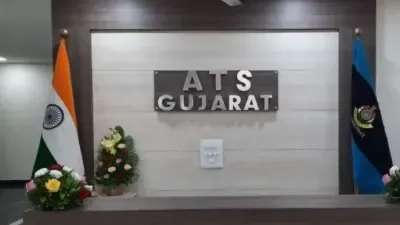
Ahmedabad, Dec 4 (NationPress) The Gujarat Anti-Terrorism Squad (ATS) has successfully dismantled a spy network operated by Pakistani intelligence agencies that was utilizing social media, messaging apps, and fraudulent online personas to gather sensitive data from Indian citizens, particularly those in the military.
This operation was spearheaded by Police Inspector K. Vashindar, under the oversight of Deputy Superintendent of Police Harsh Upadhyay, alongside Police Inspector V. N. Vaghela, Police Sub-Inspector E.D. Rathod, and Police Sub-Inspector H.M. Vannama.
The investigative team employed a combination of technical analysis, human intelligence, and financial operations to identify suspicious online behavior linked to Pakistani handlers.
Investigators learned that operatives from Pakistan targeted Indian citizens, especially those associated with security forces, by masquerading as Indian women with fictitious profiles, using names like 'Ankita Sharma'.
Through emotional manipulation and financial incentives, these handlers requested sensitive military data and even facilitated cross-border monetary transactions.
Among those targeted was Ajaykumar Sarvensingh (47) from Goa, who was approached during his 2022 assignment in Dimapur by someone impersonating 'Ankita Sharma'.
The impersonator persistently solicited information about Army units, postings, and troop movements.
To further infiltrate, the operatives sent Ajaykumar a Trojan malware file, instructing him to install it on his mobile device.
Once activated, this malware granted the Pakistani handlers direct access to sensitive information, bypassing the need for WhatsApp communication.
Further investigations identified Rashmani Ravind Pal (35) from Daman as a significant player in this espionage network.
She allegedly worked as a conduit for Pakistani handlers 'Abdul Sattar' and 'Khalid', who offered her financial rewards for gathering intelligence from Indian Army personnel.
Rashmani adopted the alias 'Priya Thakur' and was provided with contact numbers for soldiers to exploit.
She reached out to these individuals to extract confidential information and monitored troop movements and activities.
Additionally, she maintained direct contact with the Pakistani handler Abdul Sattar via a +92 number and opened new bank accounts to channel the funds received through various financial means.
The digital forensic evidence uncovered during the investigation unequivocally ties these activities to operatives based in Pakistan.
Analysis of the confiscated mobile devices revealed WhatsApp calls made to international numbers beginning with +92, indicating direct communication with contacts across the border.
Investigators also discovered chat logs with suspected Pakistani handlers, along with financial transaction records that illuminated the flow of money involved in the operation.
Moreover, the devices contained malware-linked files designed for remote access, indicating a sophisticated level of technical expertise.
Several IP addresses traced back to Multan, Sargodha, and Lahore, as well as connections routed through Malaysian VPNs, further confirmed the involvement of Pakistani networks orchestrating these activities.
The Gujarat ATS has filed a First Information Report (FIR) under Sections 61 and 148 of the Bharatiya Nyaya Sanhita (BNS) against Ajaykumar Sarvensingh and Rashmani Ravind Pal.
A collaborative effort is underway involving multiple agencies, including the Mehsana Special Operations Group (SOG), Surat SOG, Dahod SOG, Kheda SOG, Uttar Pradesh Police, Daman Crime Branch, Goa Police, and Central intelligence units.
The ATS has indicated that further individuals associated with this espionage network have been identified, and ongoing actions are in progress.
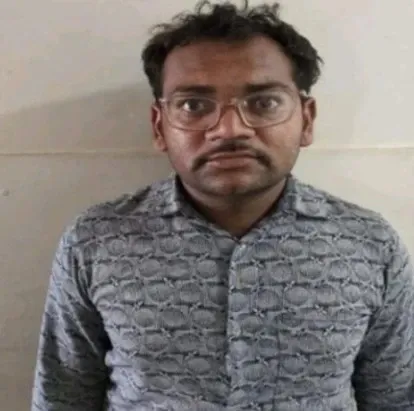
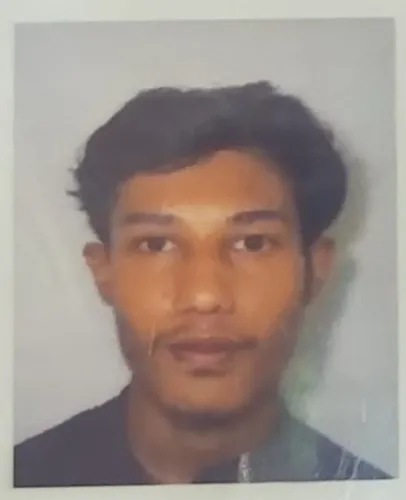
The two individuals arrested have been identified as Ajaykumar Sarvensingh (47) and Rashmani Ravind Pal (35).
Ajaykumar currently resides in Madgaon, Goa, though he originally comes from Baruna (Banka-Puru) in the Ara district.
Rashmani lives in Dadra and Nagar Haveli and hails from Mithapur village in Uttar Pradesh's Jaunpur.
Point of View
Our perspective on this serious matter aligns with the necessity of national security. The uncovering of a Pakistan-based espionage network targeting Indian military personnel underscores the continuous threats our nation faces. It's imperative that we remain vigilant and informed.
NationPress
30 Sept 2026
Frequently Asked Questions
What was the operation led by Gujarat ATS?
The Gujarat ATS uncovered a spy network operated by Pakistani intelligence agencies, which exploited social media and fake profiles to extract sensitive information from Indian citizens, particularly defense personnel.
Who were the key individuals arrested?
The arrested individuals include Ajaykumar Sarvensingh (47) and Rashmani Ravind Pal (35), who were linked to the espionage activities.
What methods did the operatives use?
Operatives used fake identities, emotional manipulation, and malware to gain access to sensitive military information and facilitate financial transactions.
What are the legal actions taken?
The Gujarat ATS has registered an FIR under Sections 61 and 148 of the Bharatiya Nyaya Sanhita (BNS) against the accused.
How does this impact national security?
The exposure of this espionage network raises significant concerns about national security and the potential risks posed by foreign intelligence operations targeting Indian defense forces.