How is the Gujarat Cabinet Addressing the Effect of Unseasonal Rains on Rabi Crops?
Synopsis
The Gujarat Cabinet is actively addressing the challenges posed by unseasonal rains on agriculture. With significant government intervention, the Rabi crop cultivation has received a boost this season. Discover how timely support is transforming the agricultural landscape in Gujarat.
Key Takeaways
Timely government intervention is essential for supporting Rabi crop cultivation.
Unseasonal rains have contributed positively to soil moisture.
Farmers are receiving increased fertiliser support from the government.
Proactive planning is aimed at preventing fertiliser shortages.
The agricultural sector in Gujarat includes a diverse range of farming practices.
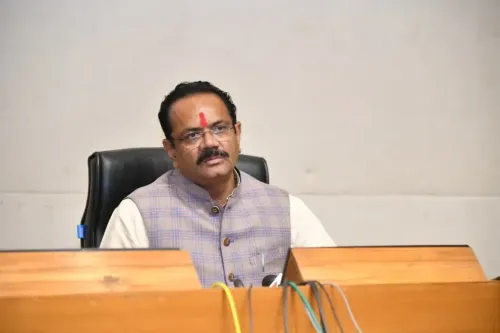
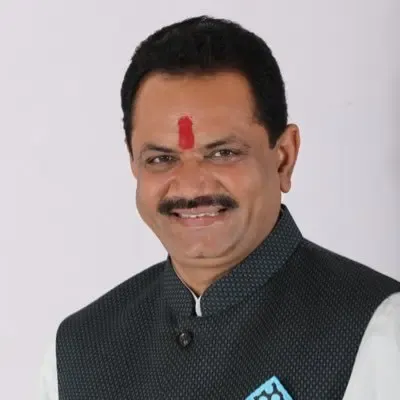
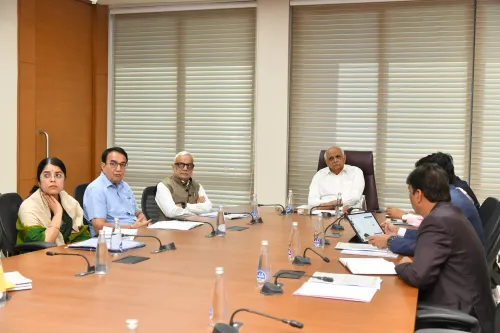
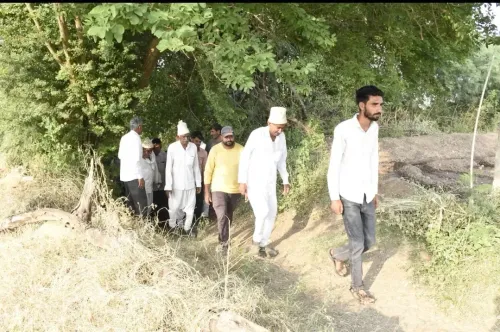
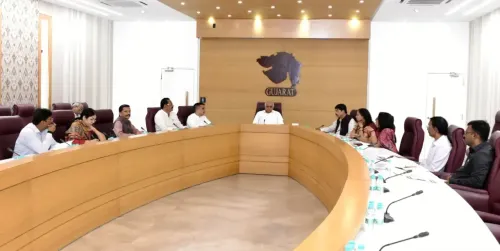
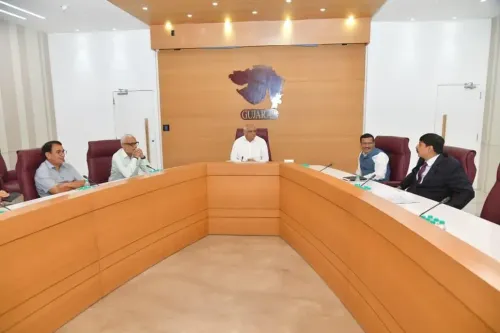
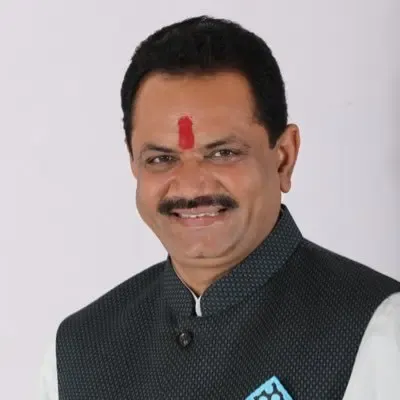
Gandhinagar, Dec 17 (NationPress) The Gujarat Cabinet assessed the repercussions of unseasonal rainfall on the agricultural sector. According to Agriculture Minister Jitu Vaghani, prompt government action has been vital in bolstering Rabi crop production this season.
He stated that the support provided to farmers has alleviated weather-related difficulties and has led to an increase in the acreage dedicated to Rabi sowing.
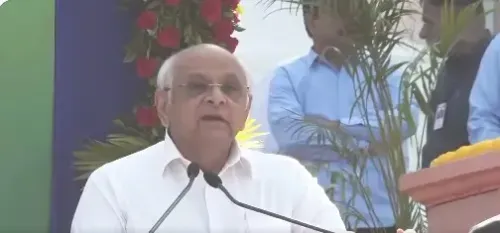
Speaking to the media following the cabinet meeting, Vaghani remarked that the government’s farmer-centric assistance package has resulted in the sale of an additional 72,450 metric tonnes of DAP fertiliser compared to the same timeframe last year.
The minister indicated that Rabi sowing has been progressing positively across the state. To maintain this progress, the government will ensure the delivery of 1.41 lakh metric tonnes of urea, in addition to an extra 2.15 lakh metric tonnes to address peak seasonal needs.
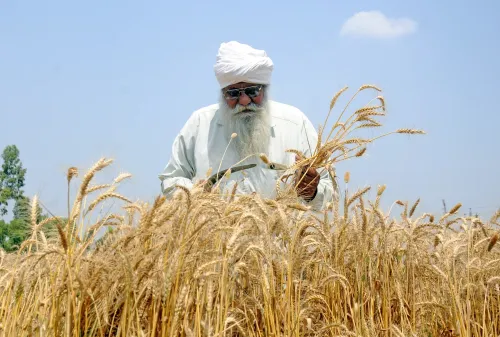
These actions are designed to enhance the output of key Rabi crops such as wheat and gram, while also ensuring that farmers are shielded from the ongoing issue of fertiliser shortages.
He emphasized that this decision has provided significant relief to farmers, particularly given the persistent urea shortages experienced in prior Rabi seasons.
Vaghani also highlighted that the unseasonal rains have positively affected soil moisture levels, providing further support for Rabi sowing. He assured that the state government is vigilantly monitoring fertiliser availability and distribution to guarantee a consistent supply. He noted that past urea shortages had compelled farmers to queue for extended periods during wheat cultivation, and the government is determined to avert such situations in the future.
With proactive planning and improved supply strategies, he stated, farmers will receive fertilisers in sufficient quantities, enabling them to concentrate on productivity and yield without logistical challenges.
According to the latest government statistics, Gujarat is home to approximately 53.2 lakh registered farmers, as per the agricultural census figures cited by the state assembly, which reflect the number of cultivators in the region as of the last comprehensive assessment.
Beyond this primary agricultural demographic, numerous other farmers are involved in supportive and sustainable farming techniques, with over 9.7 lakh farmers adopting natural farming practices through recent state initiatives aimed at enhancing soil health and minimizing input costs.
This extensive agricultural community encompasses small, marginal, medium, and large farmers who cultivate a diverse array of crops and contribute significantly to Gujarat’s agricultural yield, even while the state continues to tackle challenges such as fertiliser supply and climate-related crop damage.
Point of View
It is essential to recognize the proactive measures taken by the Gujarat government to support its farmers amidst challenging weather conditions. The emphasis on timely intervention and adequate supply of fertilisers reflects a strong commitment to enhancing agricultural productivity while addressing the concerns of the farming community. This balanced approach not only aims to mitigate immediate issues but also lays the groundwork for sustainable agricultural practices.
NationPress
26 Sept 2026
Frequently Asked Questions
What measures is the Gujarat government taking to support Rabi crops?
The Gujarat government is ensuring the timely supply of fertilisers and has implemented a farmer-focused support package to boost Rabi crop production.
How has unseasonal rain affected agricultural practices in Gujarat?
Unseasonal rain has improved soil moisture levels, aiding Rabi sowing while also posing challenges that require government intervention.
What is the government's plan for fertiliser distribution?
The government plans to provide 1.41 lakh metric tonnes of urea and an additional 2.15 lakh metric tonnes to meet seasonal peak demands.
How many farmers are registered in Gujarat?
According to recent data, there are approximately 53.2 lakh registered farmers in Gujarat.
What sustainable farming practices are being adopted by farmers?
Over 9.7 lakh farmers in Gujarat are adopting natural farming techniques to enhance soil health and reduce input costs.