Gujarat CM visits Sanand Model School, inspects science labs and girls hostel
Synopsis
Gujarat's Chief Minister visited Sanand Model School on 25 June 2026 during Shala Praveshotsav, inspecting an activity-based science lab and a Kasturba Gandhi Balika Vidyalaya girls hostel, and met SMC and SMDC members to discuss dropout reduction and education quality.
Key Takeaways
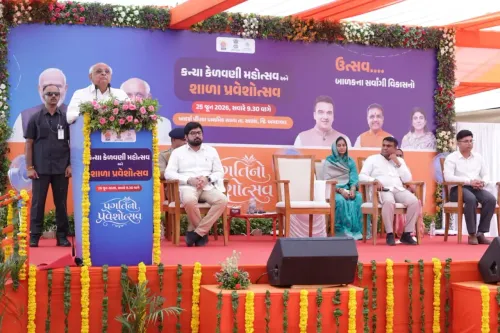
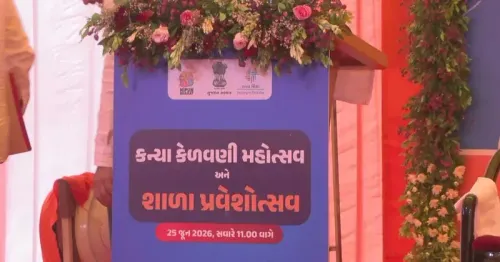
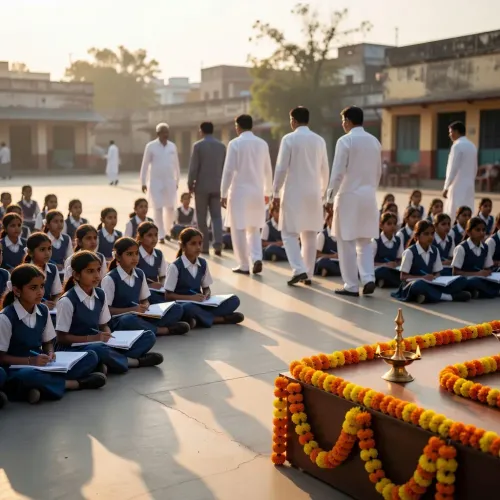
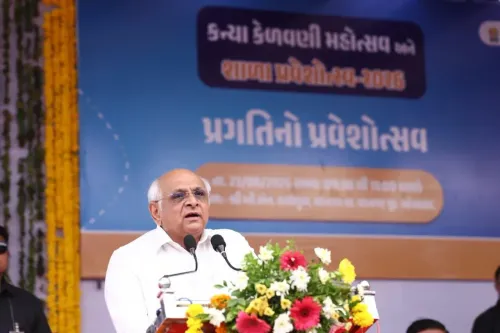
The Chief Minister of Gujarat visited Sanand Model School on 25 June 2026 as part of Shala Praveshotsav 2026 .
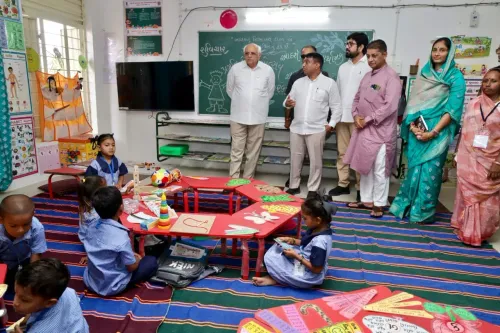
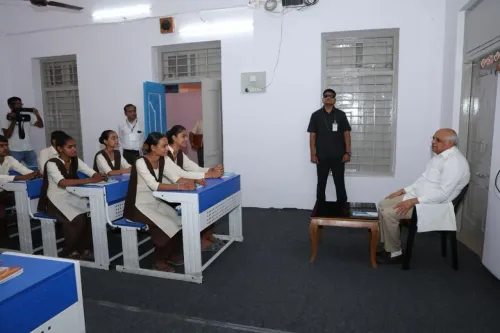
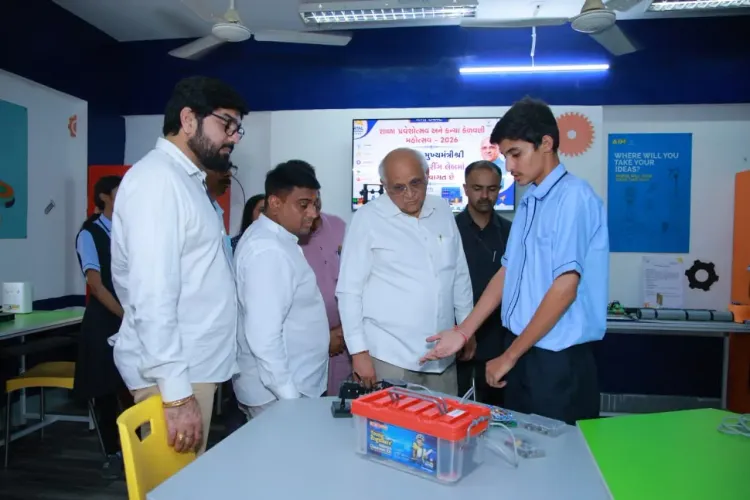
The CM inspected an advanced activity-based science laboratory and smart classroom facilities at the school.
The Kasturba Gandhi Balika Vidyalaya (KGBV) girls hostel on the campus was also reviewed for its living arrangements.
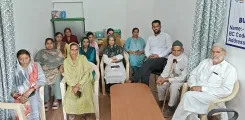
A meeting was held with SMC and SMDC members and parents, focusing on dropout reduction and education quality.
The CM conducted a tree-plantation drive on school grounds as part of an environmental conservation message.
The visit falls under Gujarat's annual Shala Praveshotsav drive, running since 2003 to boost government school enrollment.
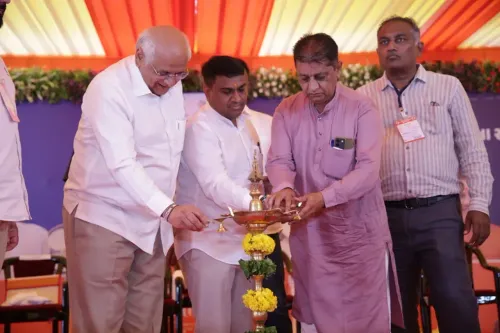
The Chief Minister's Office of Gujarat announced on Thursday, 25 June 2026 that the Chief Minister visited the Sanand Model School campus, inspecting its advanced activity-based science laboratory and smart classroom facilities, and also toured the Kasturba Gandhi Balika Vidyalaya (KGBV) girls hostel operating within the school premises.
The post, shared under the hashtag #ShalaPraveshostav2026, described how the Chief Minister observed the 'smart' educational facilities firsthand and reviewed the living arrangements at the girls hostel. The visit was part of the broader annual Shala Praveshotsav drive, Gujarat's flagship school-enrollment initiative that has been held every year since 2003 at the start of the academic year to boost admissions and reduce dropout rates across government schools.
Context
During the visit, the Chief Minister convened a meeting with members of the School Management Committee (SMC) and the School Management and Development Committee (SMDC), along with parents. The discussion centred on three priorities: the overall development of the school, strategies to reduce the student dropout rate, and maintaining the quality of education. The Chief Minister provided guidance to the committees on each of these fronts.
The visit concluded with a tree-plantation drive on the school grounds, carried out with a message of environmental conservation and promoting greenery — a symbolic gesture that has become a recurring feature of such school-level events in Gujarat.
Policy Backdrop
The Kasturba Gandhi Balika Vidyalaya scheme was launched by the central government in 2004 to establish residential schools and hostels for girls from SC, ST, OBC and minority communities in educationally backward blocks, directly targeting gender gaps in secondary education. The scheme's integration with model schools like the one in Sanand reflects a layered approach to girls' retention.
The School Management Committee structure is mandated under the Right to Education Act, 2009, which requires community participation in school governance, development planning and monitoring. Gujarat's emphasis on engaging SMC and SMDC members alongside parents aligns with the RTE framework's intent to make school governance locally accountable.
Sanand, a taluka headquarters in Ahmedabad district, has been developed as a model school site featuring upgraded activity-based science laboratories and digital infrastructure — part of Gujarat's broader policy of transforming select government schools into high-quality benchmark institutions.
Stakeholders and Impact
The primary beneficiaries of the Sanand Model School's upgraded facilities are students enrolled in the government school system and girls residing in the KGBV hostel, who gain access to residential support that enables continued schooling. Parents and community members represented through SMC and SMDC structures are also direct participants in the school's governance trajectory.
Gujarat has consistently pursued a multi-pronged model linking physical infrastructure upgrades, community governance bodies and environmental activities to improve both enrollment numbers and retention rates — particularly for girls and students from marginalised communities. The Chief Minister's direct inspection signals continued political attention to this approach during the 2026 Shala Praveshotsav cycle.
What's Next
The guidance issued to SMC and SMDC members during the meeting is expected to translate into localised action plans for reducing dropout rates at Sanand Model School and similar institutions. Observers will watch whether the activity-based science lab model piloted at Sanand is scaled to additional government schools across Gujarat in the coming academic year. The 2026 Shala Praveshotsav enrollment figures, once compiled, will serve as an early indicator of whether the drive has moved the needle on attendance and retention statewide.
Point of View
Not merely an enrollment ritual. Engaging SMC and SMDC members directly signals an intent to activate community governance structures that often remain dormant between official inspections. The pairing of infrastructure showcasing with a dropout-reduction dialogue reflects the state's awareness that physical upgrades alone do not guarantee retention, particularly for girls. Whether this visit translates into measurable outcomes will depend on follow-through at the block and district administration level beyond the Praveshotsav season.
NationPress
25 Jun 2026
Frequently Asked Questions
What is Shala Praveshotsav in Gujarat?
Shala Praveshotsav is an annual school-enrollment drive organised by the Gujarat government since 2003 at the start of the academic year to boost admissions and reduce dropout rates in government schools.
What is Kasturba Gandhi Balika Vidyalaya?
Kasturba Gandhi Balika Vidyalaya (KGBV) is a central government scheme launched in 2004 to set up residential schools and hostels for girls from SC, ST, OBC and minority communities in educationally backward blocks, addressing gender gaps in secondary education.
Where is Sanand Model School located?
Sanand Model School is located in Sanand, a taluka headquarters in Ahmedabad district, Gujarat.
What is a School Management Committee (SMC)?
A School Management Committee (SMC) is a community body mandated under the Right to Education Act, 2009, to enable local participation in government school governance, development planning and monitoring.
What did Gujarat CM discuss with SMC members at Sanand?
The Chief Minister met SMC and SMDC members along with parents to provide guidance on the school's overall development, strategies to reduce student dropout rates, and maintaining the quality of education.