Gujarat CMO: Plastic Waste Project Revives Nal Sarovar
Synopsis
The Chief Minister's Office of Gujarat announced on 11 August 2026 that the state Forest Department has launched a Plastic Waste Management Project at Nal Sarovar Bird Sanctuary, targeting environmental protection, eco-tourism improvement, and new livelihood creation for local communities.
Key Takeaways
The Gujarat Forest Department has launched a Plastic Waste Management Project at Nal Sarovar Bird Sanctuary , announced by the CMO on 11 August 2026 .
Nal Sarovar was notified as a protected bird sanctuary in 1969 and is one of the largest wetland sanctuaries in western India.
The project targets three outcomes simultaneously: environmental protection, enhancement of the tourist experience, and new livelihood opportunities for local residents.
The initiative aligns with India's Plastic Waste Management Rules (2016) and Gujarat's state-level enforcement frameworks for protected areas.
The CMO's post made a direct public appeal for citizens and visitors to commit to keeping the sanctuary free from plastic pollution.
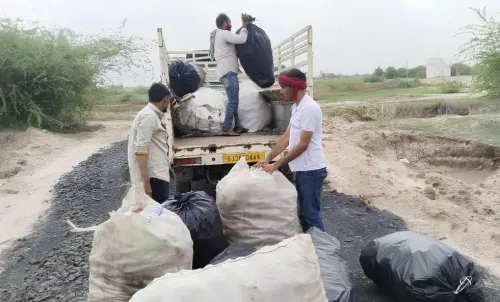
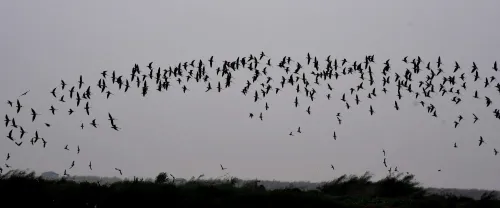
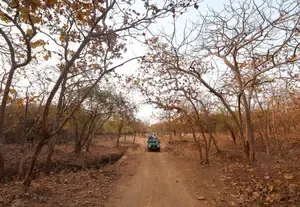
Where migratory birds arrive by the thousands each winter, plastic waste had become a quiet threat to one of Gujarat's most treasured wetlands. On Tuesday, 11 August 2026, the Chief Minister's Office of Gujarat announced that the state's Forest Department has launched a Plastic Waste Management Project at Nal Sarovar Bird Sanctuary — an initiative designed to protect the ecosystem, enhance the site's appeal for visitors, and generate new livelihood opportunities for local communities.
The post, shared in Gujarati, called the initiative 'a beautiful and unique effort to preserve the natural splendour of Nal Sarovar, resonant with the sweet calls of migratory birds.' It urged citizens to commit to keeping this 'priceless ecosystem free from the extremely harmful pollution of plastic and to maintain it with cleanliness.'
Nal Sarovar: A Wetland Worth Protecting
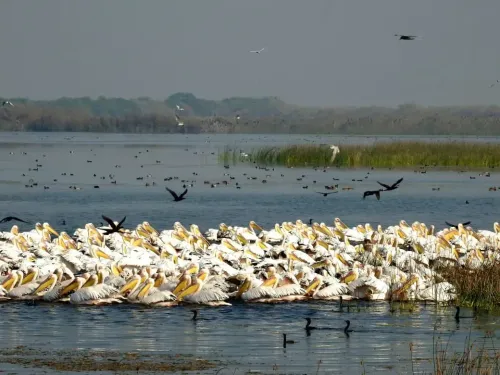
Nal Sarovar Bird Sanctuary, notified as a protected area in 1969, spans a shallow saline lake roughly 120 kilometres west of Ahmedabad. Every winter, the sanctuary draws flamingos, pelicans, and dozens of other migratory species — making it one of the largest bird sanctuaries in western India and a magnet for eco-tourists. Plastic debris in wetland habitats poses direct risks to avian life through ingestion and entanglement, and degrades the water quality that the ecosystem depends on.
Waste Management Tied to Local Livelihoods
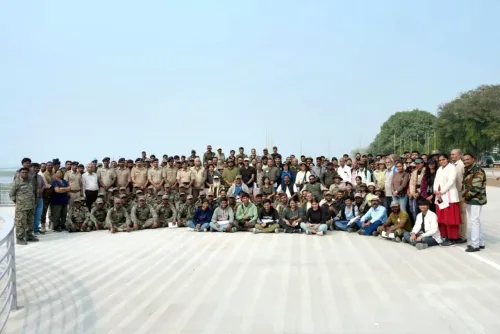
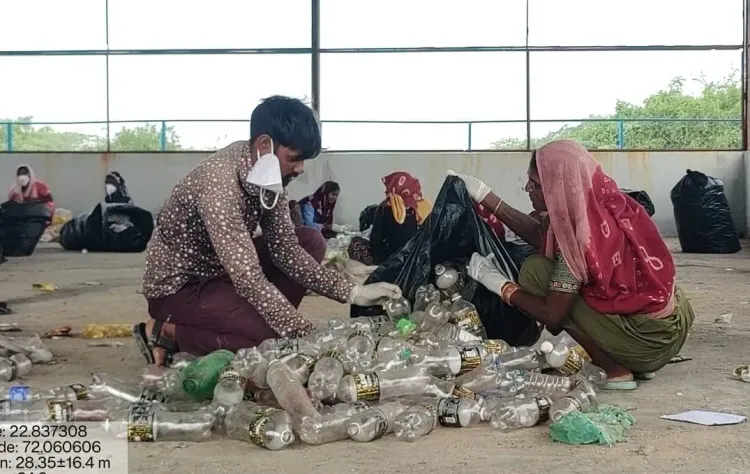
What distinguishes this project, according to the CMO's announcement, is its triple mandate: environmental protection, tourism enhancement, and economic inclusion. The Gujarat Forest Department has structured the initiative so that local residents — many of whom depend on the sanctuary's visitor economy for income — are active participants in waste collection and management, creating what the government describes as 'a new livelihood opportunity.' This approach mirrors a broader pattern in Gujarat's environmental programmes, which have increasingly linked wetland conservation with community-based income generation.
The effort also aligns with India's Plastic Waste Management Rules (2016) and subsequent state-level enforcement frameworks that require protected areas to adopt systematic plastic disposal mechanisms. Gujarat has been among the states pushing stricter compliance within wildlife zones.
A Call to Visitors and Residents Alike
The CMO's post closed with a direct public appeal — 'Aavo, aapne sau prakrutik saundarya dharavati kudratni aa amulya ecosystem ne... plastic na pradushan thi mukt rakhie' (Come, let us all keep this priceless nature-rich ecosystem free from the harmful pollution of plastic) — framing conservation as a collective civic responsibility rather than a government-only mandate.
The real measure of success will come in the numbers: reduced plastic load in the lake, sustained visitor footfall, and documented income gains for the families who call the sanctuary's shores home.
Point of View
The Forest Department reduces the enforcement burden while building durable grassroots buy-in. The CMO amplifying the initiative on social media with a citizen-appeal framing signals that the government sees eco-conservation as a politically resonant issue with Gujarat's growing urban eco-tourist base. Whether the project delivers measurable outcomes — in plastic tonnage removed and jobs created — will determine if it becomes a replicable template for other Gujarat wetlands.
NationPress
11 Aug 2026
Frequently Asked Questions
What is the plastic waste management project at Nal Sarovar?
It is an initiative by the Gujarat Forest Department at Nal Sarovar Bird Sanctuary aimed at removing and managing plastic waste to protect the wetland ecosystem, improve the site for tourists, and create livelihood opportunities for local communities.
Where is Nal Sarovar Bird Sanctuary located?
Nal Sarovar Bird Sanctuary is a large wetland sanctuary located approximately 120 kilometres west of Ahmedabad in Gujarat, India. It was notified as a protected area in 1969 .
Why is plastic pollution a threat to Nal Sarovar?
Nal Sarovar hosts thousands of migratory birds each winter, including flamingos and pelicans. Plastic debris in the wetland poses risks of ingestion and entanglement for birds and degrades water quality across the ecosystem.
How does the Nal Sarovar project create livelihoods for local people?
The Gujarat Forest Department has structured the plastic waste management project so that local residents participate in waste collection and management, turning conservation work into a source of income for communities that already depend on the sanctuary's tourism economy.
What laws govern plastic waste management in Gujarat's protected areas?
The initiative aligns with India's Plastic Waste Management Rules, notified in 2016 , which mandate systematic plastic disposal, with Gujarat implementing state-level enforcement frameworks for compliance within wildlife and protected zones.