Gujarat Forest Dept launches ₹2.94 crore plastic waste plan for Nalsarovar sanctuary
Synopsis
Gujarat's Forest Department is paying villagers to collect plastic waste around Nalsarovar — a Ramsar-listed, 12,000-hectare wetland that recorded over 6.42 lakh birds this season. The ₹2.94 crore JICA-backed project is one of the first community-purchase plastic models tied directly to a protected migratory bird habitat in India.
Key Takeaways
The Gujarat Forest Department has launched a ₹2.94 crore Plastic Waste Management Project around Nalsarovar Bird Sanctuary .
The project is funded under PERG with support from the Japan International Cooperation Agency (JICA) .
A dedicated collection centre has been set up at Kayla village, Viramgam taluka, Ahmedabad district ; seven villages across Ahmedabad and Surendranagar districts are covered.
Volunteers called 'Swachhta Praharis' will be appointed by EDCs to encourage plastic segregation at the community level.
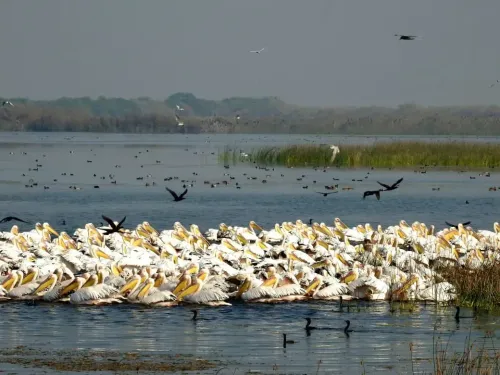
Nalsarovar recorded 6,42,232 birds of 270 species in the 2025–26 season , up from the previous census by over 2.28 lakh birds .
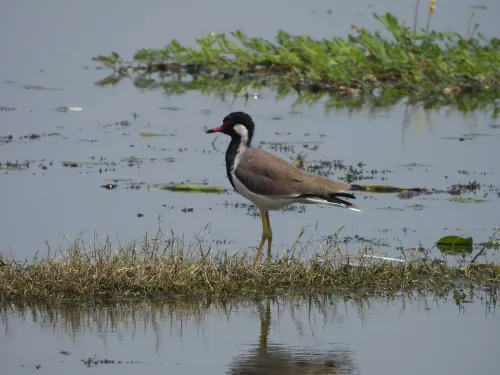
Globally threatened species including the Dalmatian Pelican , Baer's Pochard , and Sociable Lapwing have been documented at the wetland.
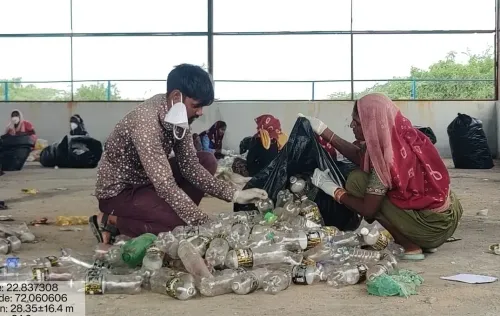
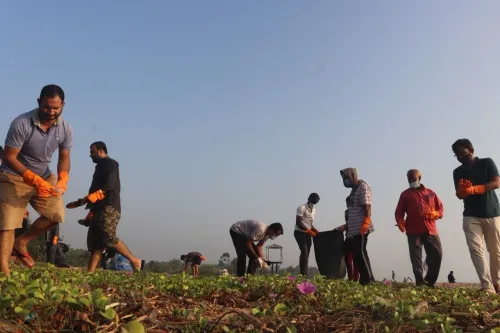
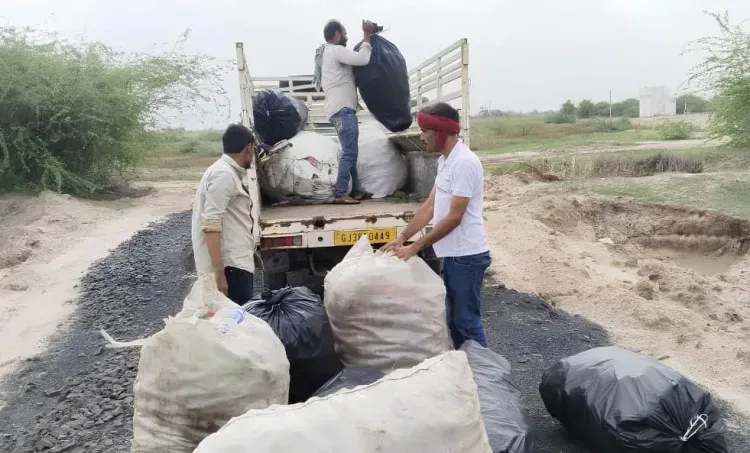
The Gujarat Forest Department has launched a ₹2.94 crore Plastic Waste Management Project around the Nalsarovar Bird Sanctuary, under which plastic waste collected by villagers in surrounding communities will be purchased and transported to a dedicated collection centre. The initiative aims to eliminate plastic pollution from the Ramsar-designated wetland, one of India's most ecologically significant migratory bird habitats.
Project Framework and Funding
The project has been approved under the Project for Eco-Restoration in Gujarat (PERG), supported by the Japan International Cooperation Agency (JICA). It is being implemented by the Nalsarovar Bird Sanctuary Wildlife Division in Sanand, in partnership with local gram panchayats, Eco-Development Committees (EDCs), and community members.
Forest and Environment Minister Arjun Modhwadia said: 'By establishing a scientific plastic waste management system around this globally important wetland, we aim to eliminate plastic pollution and protect Nalsarovar's unique ecosystem.'
Villages Covered and Infrastructure
A dedicated Plastic Waste Collection Centre has already been established at Kayla village in Viramgam taluka of Ahmedabad district. Principal Chief Conservator of Forests (Wildlife) and Chief Wildlife Warden Dr Jaipal Singh confirmed that the project will cover Vekariya, Kayla, Shahpur, Dharji and Meni villages in Ahmedabad district, and Nani Kathechi and Ranagadh in Surendranagar district.
Infrastructure established under the project includes a waste collection shed, processing unit, compound wall, security cabin, water and electricity facilities, a plastic waste processing machine, safety equipment, and waste collection bins. Volunteers known as 'Swachhta Praharis', appointed by EDCs, will encourage residents to segregate and properly dispose of dry plastic waste.
Community Employment and Economic Angle
S.K. Srivastava, Chief Project Director (PERG) and Additional Principal Chief Conservator of Forests, said the infrastructure and community participation are expected to generate employment for local residents through waste collection and management activities. Minister of State for Forests and Environment Pravin Mali added that a detailed work study had been conducted to streamline daily waste collection and transportation logistics.
Why Nalsarovar Needs Protection
Nalsarovar was designated a Wetland of International Importance under the Ramsar Convention on 24 September 2012. The 12,000-hectare wetland is a critical stopover on the Central Asian Flyway, supporting migratory birds moving between breeding and wintering grounds across Asia.
The urgency is underscored by the sanctuary's latest bird census: during the 2025–26 migratory season, the sanctuary recorded 270 bird species and an estimated 6,42,232 birds across 50 survey zones — a rise of 26 species and 2,28,399 birds over the 2023–24 census. Rare and globally threatened species documented include the Yellow-breasted Bunting, Sociable Lapwing, Indian Skimmer, Baer's Pochard, Dalmatian Pelican, and Sarus Crane.
What Comes Next
With bins being installed across villages and the collection centre already operational, the department expects to substantially reduce the volume of plastic entering the wetland annually. The project's community-purchase model — where residents are paid for plastic they collect — is designed to sustain participation beyond the initial rollout. Whether the model can be scaled to other Ramsar sites in Gujarat remains a question officials have not yet addressed publicly.
Point of View
But its long-term viability depends on sustained departmental funding beyond the JICA grant cycle. Nalsarovar's rising bird counts make the ecological stakes clear, yet plastic ingress from surrounding villages is a systemic problem that a single ₹2.94 crore project cannot fully resolve. The absence of any stated monitoring framework or post-project sustainability plan is a gap worth watching. If this model works, it could become a template for India's other threatened Ramsar sites — but that case has yet to be made.
NationPress
25 Sept 2026
Frequently Asked Questions
What is the Gujarat Forest Department's Plastic Waste Management Project at Nalsarovar?
It is a ₹2.94 crore initiative to collect, purchase, and process plastic waste from villages surrounding the Nalsarovar Bird Sanctuary, a Ramsar-designated wetland in Gujarat. The project is backed by JICA under the Project for Eco-Restoration in Gujarat (PERG) and covers seven villages across Ahmedabad and Surendranagar districts.
Which villages are covered under the Nalsarovar plastic waste project?
The project covers Vekariya, Kayla, Shahpur, Dharji, and Meni villages in Ahmedabad district, and Nani Kathechi and Ranagadh in Surendranagar district. A dedicated Plastic Waste Collection Centre has been established at Kayla village in Viramgam taluka.
Why is Nalsarovar Bird Sanctuary ecologically significant?
Nalsarovar is a 12,000-hectare Ramsar-listed wetland and a key stopover on the Central Asian Flyway. During the 2025–26 migratory season, it recorded 6,42,232 birds across 270 species, including globally threatened birds such as the Dalmatian Pelican, Baer's Pochard, and Sociable Lapwing.
How will local communities participate in the plastic waste project?
Residents will be paid by the Forest Department for plastic waste they collect and deposit. EDCs will appoint community volunteers called 'Swachhta Praharis' to promote segregation and proper disposal of dry plastic waste across the covered villages.
Who is funding the Nalsarovar Plastic Waste Management Project?
The project is funded under the Project for Eco-Restoration in Gujarat (PERG), which is supported by the Japan International Cooperation Agency (JICA). It is being implemented by the Nalsarovar Bird Sanctuary Wildlife Division in Sanand.