Gujarat CMO spotlights state's rise as global tourism hub
Synopsis
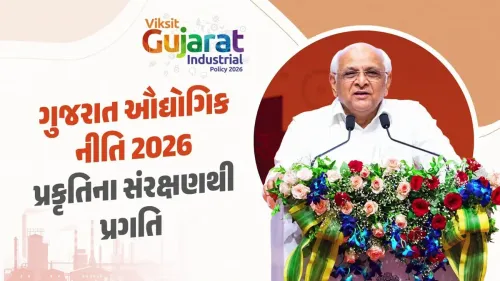
The Chief Minister's Office of Gujarat declared the state a rising global tourism hub on 29 October 2026, citing CM Bhupendrabhai Patel's drive to develop attractions that unite progress, nature, and culture under the hashtag 'Agreshar Gujarat.'
Key Takeaways
The Chief Minister's Office of Gujarat posted on 29 October 2026 positioning Gujarat as a global tourism hub.
CM Bhupendrabhai Patel , in office since 2021 , is cited as the driver of tourism-linked development.
The government frames tourism growth around three pillars: progress (pragati), nature (prakriti), and culture (sanskriti) .
Gujarat's tourism model builds on over two decades of state-led initiatives including the Rann Utsav festival.
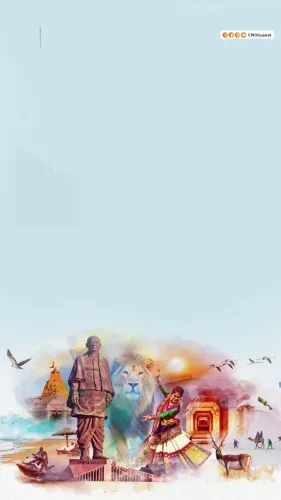
Key assets include Ahmedabad (India's first UNESCO World Heritage City), Gir sanctuary, and the Somnath–Dwarka spiritual circuit.
Local businesses and the broader tourism sector are identified as direct beneficiaries of continued site development investment.
Gujarat is staking its claim on the world tourism map — and the state government wants every Indian to know it. On Thursday, 29 October 2026, the Chief Minister's Office of Gujarat posted a sweeping update on X, framing the state's growth under Chief Minister Bhupendrabhai Patel as a convergence of progress, nature, and culture — a trinity the government says is turning Gujarat into a recognised global 'tourism hub.'
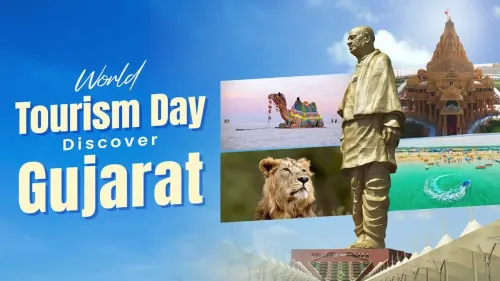
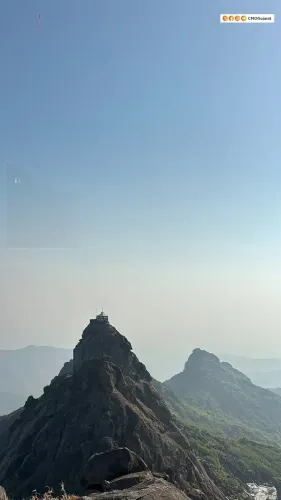
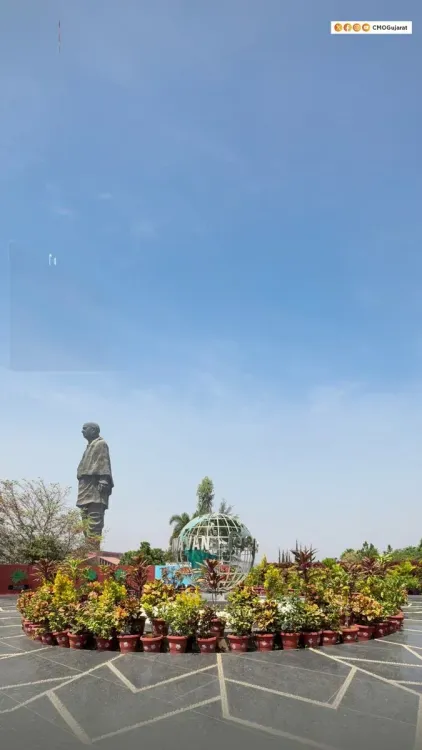
The post, captioned 'સદા અગ્રેસર ગુજરાત..!' ('Always forward, Gujarat!'), invited audiences to discover the diverse attractions being developed across the state — from heritage landmarks and wildlife corridors to cultural destinations — under the hashtag #અગ્રેસર_ગુજરાત ('Progressive Gujarat'). A video accompanied the message, showcasing those very attractions.
From Rann Utsav to a state-wide tourism identity
Gujarat's tourism ambitions are not new — they are the product of more than two decades of deliberate state policy. Since the early 2000s, successive governments have leveraged events like the iconic Rann Utsav, the vast white-salt desert festival of the Rann of Kutch, to draw domestic and international visitors in numbers that rival headline industrial investments. That model — threading tourism into the state's broader growth story — has become a defining feature of Gujarat's administrative identity.
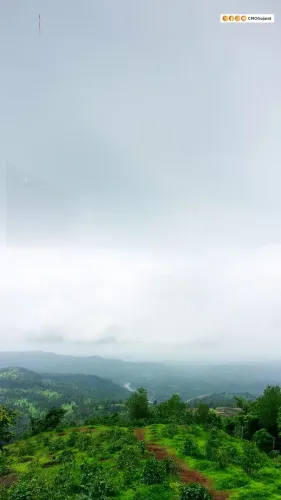
Under CM Bhupendrabhai Patel, who took office in 2021, the push has deepened. The government has positioned natural and cultural assets — wildlife sanctuaries like Gir, the heritage city of Ahmedabad (India's first UNESCO World Heritage City), the spiritual circuit around Somnath and Dwarka, and the dramatic coastline of Saputara — not as isolated attractions but as nodes in an integrated tourism economy that supports local businesses and artisan communities.
Culture and nature as economic engines
What makes the CMO's framing notable is the deliberate linking of 'pragati, prakriti ane sanskriti' — progress, nature, and culture — as a single, unified proposition. This is statecraft as destination branding: the argument that Gujarat's industrial credibility and its cultural depth are not in tension but mutually reinforcing draws for global travellers and investors alike.
The tourism sector and local businesses across the state stand to gain most directly from sustained government attention to site development and visitor infrastructure. As domestic travel continues its post-pandemic surge across India, states that have invested early in experience-led tourism are positioned to capture a disproportionate share of that demand.
Gujarat has put its flag in the ground. The question now is how quickly new project announcements and updated visitor numbers will arrive to back the claim.
Point of View
The CMO reinforces the government's continuity narrative ahead of any future electoral cycle. The 'progress–nature–culture' triad is also a pointed rebuttal to criticism that rapid industrialisation has come at ecological or heritage cost. Whether visitor arrivals and new infrastructure announcements can substantiate the claim will be the real test of the brand.
NationPress
29 Oct 2026
Frequently Asked Questions
Why is Gujarat called a tourism hub?
Gujarat is called a tourism hub because it combines world-class heritage sites like Ahmedabad (India's first UNESCO World Heritage City), wildlife sanctuaries like Gir , major religious sites at Somnath and Dwarka , and flagship events like the Rann Utsav — all backed by sustained state government investment in tourism infrastructure.
What is the 'Agreshar Gujarat' campaign?
'Agreshar Gujarat' ( અગ્રેસર ગુજરાત ) translates to 'Always Forward, Gujarat' — a government communication theme used by the Chief Minister's Office to highlight the state's development milestones across sectors including tourism, industry, and culture.
What has CM Bhupendrabhai Patel done for Gujarat tourism?
CM Bhupendrabhai Patel , in office since 2021 , has continued and deepened Gujarat's integrated tourism strategy, promoting the state's natural, cultural, and heritage assets alongside its industrial growth model to attract domestic and international visitors.
What is Rann Utsav and why is it important for Gujarat?
The Rann Utsav is an annual festival held at the Rann of Kutch , Gujarat's vast white-salt desert. Running since the early 2000s , it has become one of India's signature tourism events, drawing hundreds of thousands of visitors and anchoring Gujarat's brand as a cultural-tourism destination.
Which are the top tourist places in Gujarat?
Top tourist destinations in Gujarat include the Rann of Kutch , Gir National Park (home to Asiatic lions), the heritage city of Ahmedabad , the pilgrimage towns of Somnath and Dwarka , and the hill station of Saputara .