Gujarat helmet drive: 1.88 lakh violators caught, ₹5.21 crore fines in May
Synopsis
Gujarat's 31-day helmet blitz didn't spare government offices — 5,123 officials were fined alongside 1.88 lakh ordinary motorists, with ₹5.21 crore collected in May alone. The scale and the targeting of government employees make this one of the most wide-reaching traffic enforcement drives the state has seen.
Key Takeaways
Gujarat's Helmet Drive ran from 1 May to 31 May 2025 , covering motorists statewide.
More than 1.88 lakh motorists faced punitive action; total fines collected reached ₹5.21 crore .
5,123 government officers and employees were penalised, with fines totalling ₹16.58 lakh from this group.
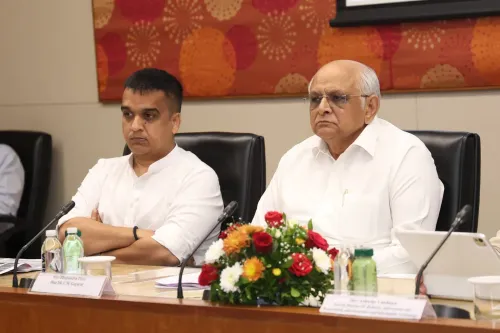
The drive was launched under instructions from Deputy Chief Minister Harsh Sanghavi .
Malik emphasised road safety — not revenue — as the campaign's primary goal.
Enforcement was paired with awareness measures, including gifting roses and helmets to some violators.
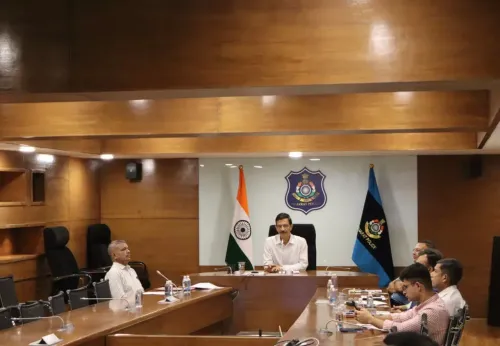
A month-long statewide helmet enforcement campaign across Gujarat in May 2025 resulted in punitive action against more than 1.88 lakh motorists and the collection of fines totalling ₹5.21 crore, according to data released by the State Traffic Branch. The special drive, conducted from 1 May to 31 May, was launched under the directions of Deputy Chief Minister Harsh Sanghavi with the stated aim of reducing road fatalities and improving compliance with traffic regulations.
Government Employees in the Crosshairs
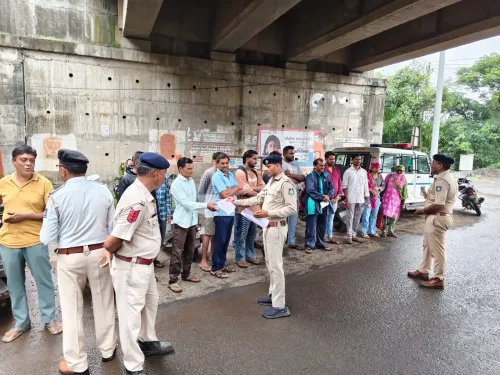
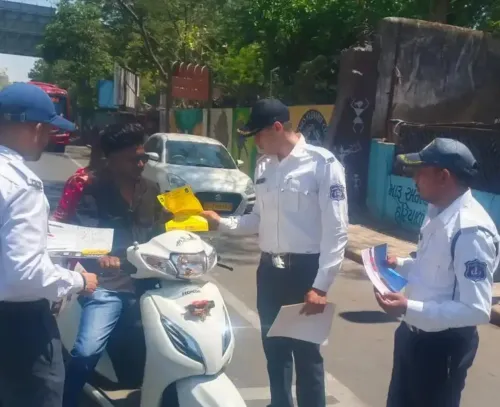
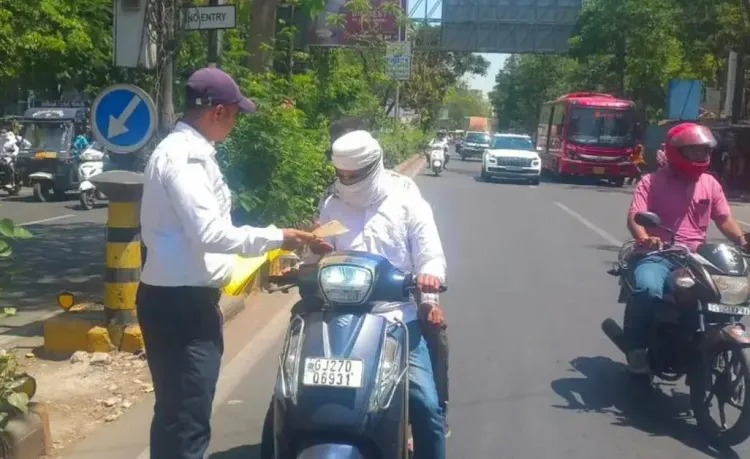
One of the more striking aspects of the campaign was its reach into government offices. Traffic personnel were stationed at the entrances of government buildings during the drive, leading to enforcement action against 5,123 government officers and employees found flouting helmet rules. Fines collected from this group alone amounted to ₹16.58 lakh. The action sent a clear signal that traffic laws apply uniformly, regardless of official status.
What the Police Chief Said
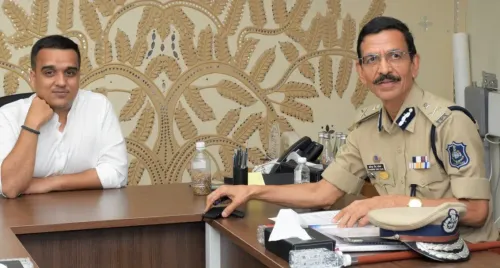
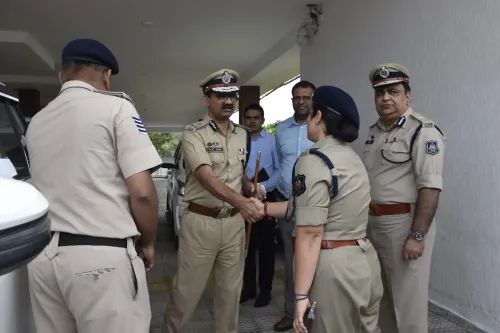
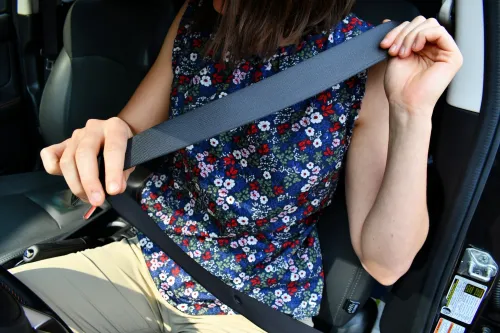
Director General of Police (DGP) G.S. Malik was explicit that revenue generation was not the campaign's intent. 'Collecting fines is not the objective of Gujarat Police. Our aim is to ensure the safety of every citizen of Gujarat. Vehicle riders and pillion passengers should wear helmets, and motorists should wear seat belts, not because of fear of the police or to avoid fines, but for the happiness and well-being of their families,' he said.
Malik added that investigations into road accidents had repeatedly shown that helmet use saved lives at the point of impact, while also noting cases where families were left grieving preventable deaths. 'Road safety is not only the responsibility of the police but a collective responsibility of all of us,' he said, urging citizens to follow traffic rules and act as responsible road users.
Enforcement Paired With Awareness
The campaign was not purely punitive. In several instances, traffic police chose to educate violators by presenting them with roses or helmets and explaining the importance of protective gear, rather than immediately levying fines. This dual approach — combining enforcement with public outreach — reflects a broader shift in how traffic authorities are framing road safety messaging in Gujarat.
Notably, this kind of large-scale, state-directed helmet drive is relatively uncommon in its scope, covering motorists across all districts of Gujarat over a sustained 31-day period rather than a spot check or weekend blitz.
Road Safety Context
India consistently ranks among the countries with the highest road accident fatalities globally. Helmet non-compliance remains a leading factor in two-wheeler deaths. Gujarat's month-long drive underscores the Centre's broader push for stricter enforcement of the Motor Vehicles (Amendment) Act, which significantly raised traffic penalties. The inclusion of government employees — often seen as above routine enforcement — adds accountability weight to the initiative.
The State Traffic Branch confirmed that the campaign will be followed up with continued awareness efforts. Whether the compliance gains persist beyond the enforcement window will be the real measure of its success.
Point of View
But the more telling detail is the 5,123 government employees caught at office gates — a rare instance of enforcement cutting across the usual immunity that official status informally confers. The question is durability: compliance spikes during high-visibility drives and typically erodes once the deployment ends. Gujarat's traffic authorities will need sustained, randomised enforcement — not just annual campaigns — to shift baseline helmet-wearing behaviour. The DGP's framing around family well-being rather than fear of fines is the right register, but messaging alone does not change road culture; structural enforcement does.
NationPress
26 Oct 2026
Frequently Asked Questions
What was Gujarat's Helmet Drive in May 2025?
It was a month-long statewide traffic enforcement campaign running from 1 May to 31 May 2025, directed by Deputy Chief Minister Harsh Sanghavi, targeting helmet non-compliance among two-wheeler riders across Gujarat. The drive resulted in action against over 1.88 lakh motorists and collected ₹5.21 crore in fines.
How many government employees were penalised in the Gujarat helmet drive?
A total of 5,123 government officers and employees were penalised after traffic police were deployed at the entrances of government offices during the campaign. Fines collected from this group amounted to ₹16.58 lakh.
What was the total fine collected during Gujarat's helmet enforcement campaign?
The State Traffic Branch reported total fines of ₹5.21 crore collected over the 31-day campaign in May 2025, with ₹16.58 lakh specifically recovered from government employees found violating helmet rules.
Was the Gujarat helmet drive only about collecting fines?
No. DGP G.S. Malik stated explicitly that revenue generation was not the objective, emphasising citizen safety as the primary goal. In several instances, traffic police educated violators by gifting them roses or helmets rather than immediately imposing penalties.
Why does helmet compliance matter in India?
India records among the highest road accident fatalities globally, with helmet non-compliance being a leading cause of two-wheeler deaths. Investigations cited by DGP Malik found that helmet use directly saved lives at the point of impact, making enforcement campaigns like Gujarat's critical to reducing road fatalities.