CM Bhupendra Patel Launches 24th Shala Praveshotsav Across Gujarat
Synopsis
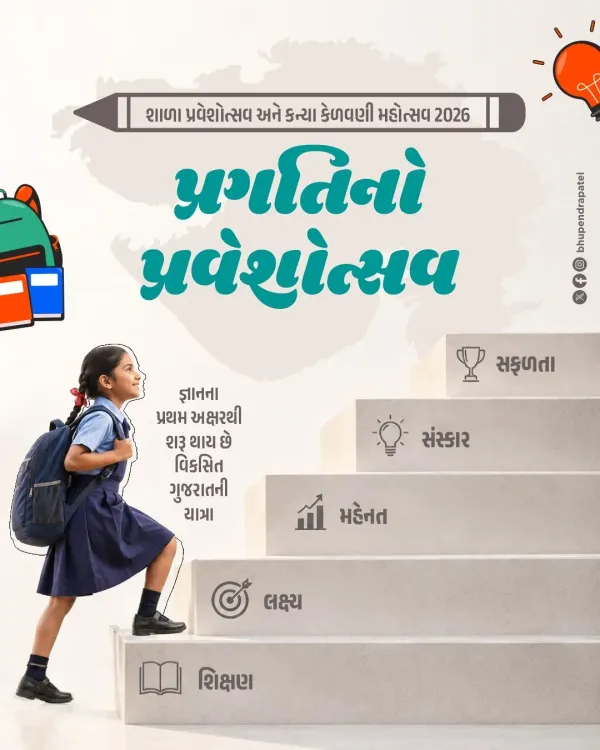
Gujarat CM Bhupendra Patel has announced the 24th edition of Shala Praveshotsav and Kanya Kelavani Mahotsav, a three-day enrollment festival beginning 23 June 2026. The drive targets 28.58 lakh children across more than 38,400 schools, continuing a campaign first launched by Narendra Modi in 2003.
Key Takeaways
Gujarat CM Bhupendra Patel announced the 24th Shala Praveshotsav and Kanya Kelavani Mahotsav on 22 June 2026 .
The three-day festival begins 23 June 2026 and covers more than 38,400 schools statewide.
Approximately 28.58 lakh children are targeted for school enrollment under this year's drive.
The campaign was originally launched in 2003 by then CM Narendra Modi and has run annually since.
The Kanya Kelavani component specifically focuses on girl-child enrollment and retention in schools.
The programme emphasises jan bhagidari (public participation), with community members accompanying children to school on enrollment day.
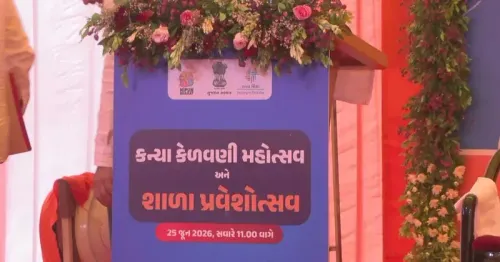
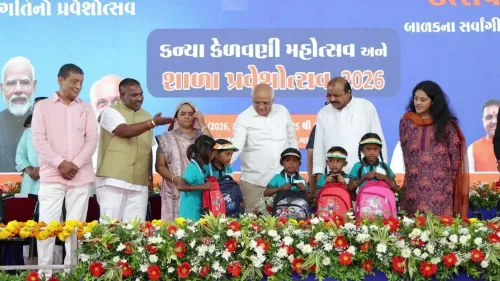
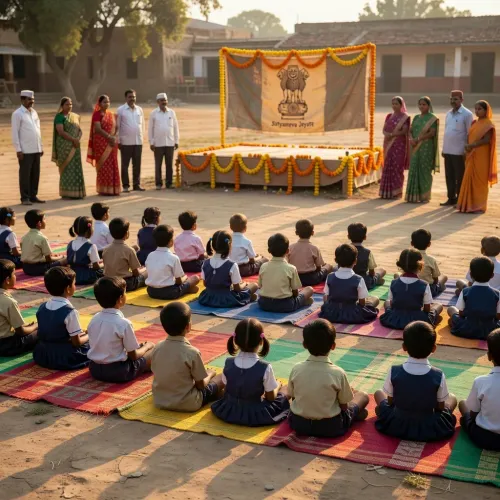
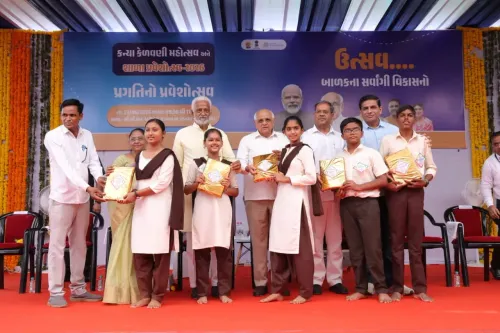
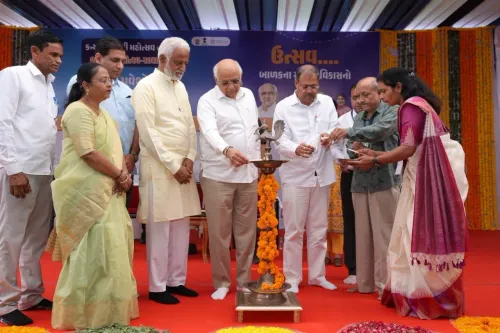
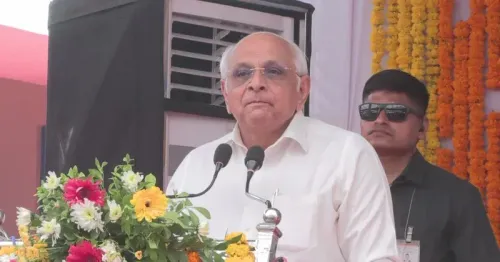
Gujarat Chief Minister Bhupendra Patel on Monday, 22 June 2026, announced the launch of the 24th edition of Shala Praveshotsav and Kanya Kelavani Mahotsav, a three-day state-wide education enrollment festival set to begin the following day across Gujarat. The drive aims to enrol approximately 28.58 lakh children in schools, reinforcing the state's commitment to universal primary education.
Context
Posting in Gujarati on 22 June 2026, CM Patel wrote: 'જ્ઞાનના પ્રથમ અક્ષરથી શરૂ થાય છે વિકસિત ગુજરાતની યાત્રા' — 'The journey of a developed Gujarat begins with the first letter of knowledge.' He called on citizens to witness the bright future of children stepping onto the path of education and to make the festival a success through jan bhagidari (public participation).
The annual festival, now in its 24th consecutive year, will span more than 38,400 schools across the state over three days. The campaign carries the hashtag #ShalaPraveshotsav2026 and is framed within Gujarat's broader 'Viksit Gujarat' (Developed Gujarat) development narrative.
Policy Backdrop
The Shala Praveshotsav and Kanya Kelavani Mahotsav was first launched in 2003 by then Chief Minister Narendra Modi to address low primary school enrollment rates in the state. It has run without interruption under successive BJP governments, making it one of India's longest-running state-level education enrollment campaigns.
The programme aligns with national frameworks including the Sarva Shiksha Abhiyan (launched 2001) and the Right to Education Act (2009), while placing particular emphasis on girl-child enrollment through the Kanya Kelavani component. The dual focus on enrollment and female literacy distinguishes the Gujarat model from purely attendance-driven state drives.
Stakeholders and Impact
The primary beneficiaries are primary school-age children — particularly girls from rural and semi-urban families — along with teachers and local community volunteers who participate in the enrollment drives. The 28.58 lakh children targeted this year represent a significant share of Gujarat's school-going population entering or re-entering the formal education system.
Community participation is central to the campaign's design: elected representatives, government officials, and citizens are expected to personally accompany children to school on enrollment day, reinforcing social accountability around education access. This model of jan bhagidari has been cited as a key driver of the programme's sustained reach over two decades.
What's Next
The three-day festival runs from 23 June 2026 across all participating schools in Gujarat. The Gujarat education department is expected to release official enrollment figures and gender-disaggregated data after the campaign concludes. Retention rates and female literacy trends will be closely watched in subsequent departmental reports and the state budget cycle, as they form key indicators of the programme's long-term impact on Gujarat's human development metrics.
Point of View
CM Patel connects local enrollment targets to the broader national 'Viksit Bharat' development vocabulary, reinforcing continuity between state and central BJP messaging. The sustained focus on girl-child enrollment through Kanya Kelavani also allows the state to position itself as a model for female literacy within the national education policy discourse. Whether the campaign translates into long-term retention gains — rather than one-day enrollment spikes — remains the critical metric that post-event data will need to address.
NationPress
21 Sept 2026
Frequently Asked Questions
What is Shala Praveshotsav 2026?
Shala Praveshotsav 2026 is the 24th edition of Gujarat's annual three-day school enrollment festival, beginning 23 June 2026, aimed at enrolling approximately 28.58 lakh children across more than 38,400 state schools.
Who started Shala Praveshotsav in Gujarat?
Shala Praveshotsav was launched in 2003 by then Gujarat Chief Minister Narendra Modi to boost primary school enrollment. It has been held annually under successive BJP governments ever since.
What is Kanya Kelavani Mahotsav?
Kanya Kelavani Mahotsav is the girl-child education component of the annual Gujarat enrollment festival, focusing specifically on increasing the enrollment and retention of girls in primary schools across the state.
How many children will be enrolled in Shala Praveshotsav 2026?
The 2026 drive targets the enrollment of approximately 28.58 lakh children across more than 38,400 schools in Gujarat over three days starting 23 June 2026.
What does jan bhagidari mean in the context of Shala Praveshotsav?
Jan bhagidari means public participation. In Shala Praveshotsav, it refers to elected representatives, officials, and community members personally accompanying children to school on enrollment day to build social accountability around education access.