Gujarat CM Bhupendra Patel launches cleanliness drive across 11,935 health institutions
Synopsis
Gujarat has launched a simultaneous cleanliness and nutrition blitz across all 11,935 of its government health facilities — clearing out scrap ambulances, broken equipment, and leaking infrastructure in a single week. The dual campaign pairs physical hospital overhaul with a maternal and child nutrition push, signalling the state's intent to turn a one-time drive into a permanent operational standard.
Key Takeaways
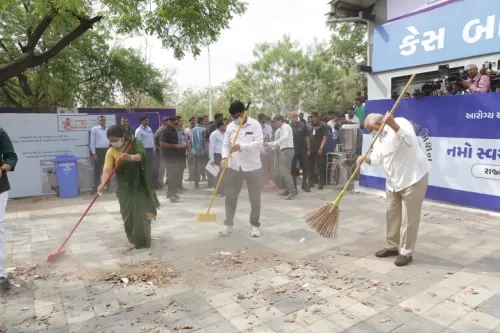
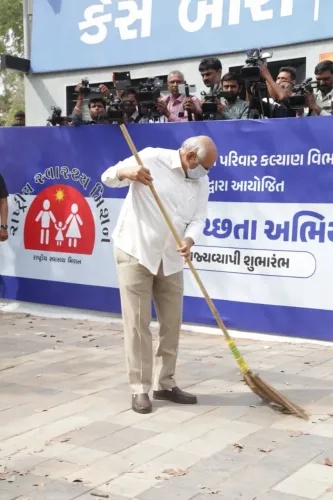
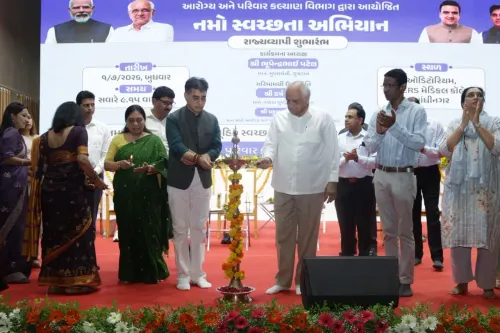
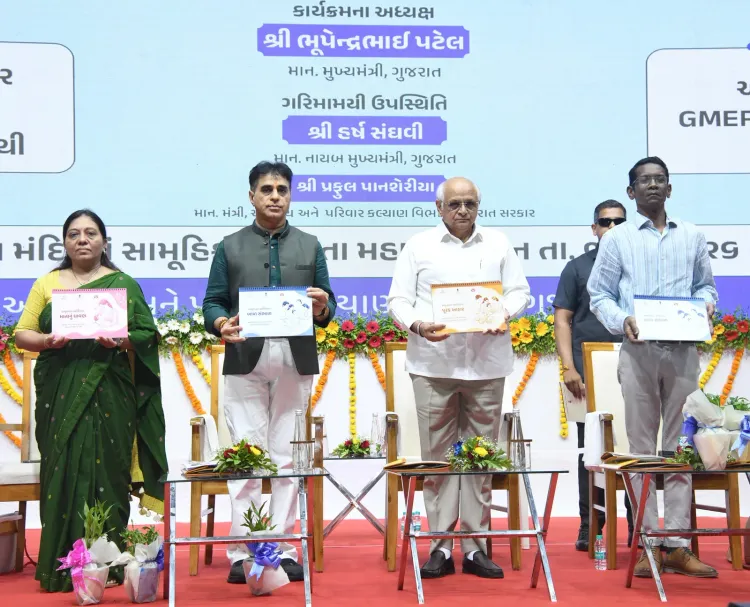
Chief Minister Bhupendra Patel launched the Namo Swachhata Abhiyan and Amrutpaan Abhiyan on 1 July at Gandhinagar Civil Hospital .
The drive covers all 11,935 government health institutions in Gujarat and runs from 1 July to 7 July .
Hospitals will clear old furniture, outdated equipment, scrap ambulances, and broken infrastructure, with reclaimed space used to improve patient facilities.
The Amrutpaan Abhiyan focuses on maternal and child nutrition, with guidelines and a Flip Chart released at the event.
Health Minister Praful Pansheriya said the campaign is intended to become part of hospitals' routine operations after the seven-day drive concludes.
The launch coincided with National Doctors' Day , with Patel extending greetings to medical professionals statewide.
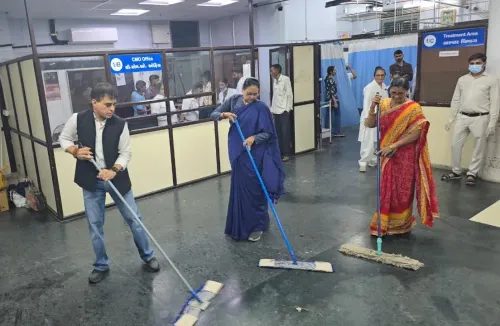
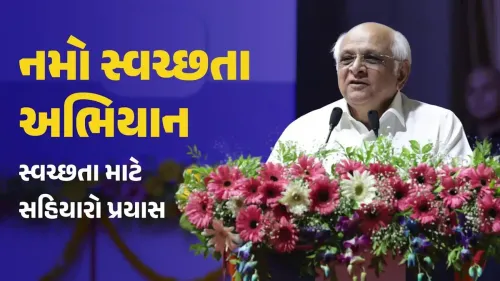
Gujarat Chief Minister Bhupendra Patel on Wednesday, 1 July inaugurated the statewide 'Namo Swachhata Abhiyan and Amrutpaan Abhiyan' at the Gandhinagar Civil Hospital campus, kicking off a week-long cleanliness and health campaign across all 11,935 government health institutions in the state. The drive, running from 1 July to 7 July, aims to overhaul hospital hygiene, tighten infection control, and strengthen maternal and child health outcomes across Gujarat.
What the Drive Covers
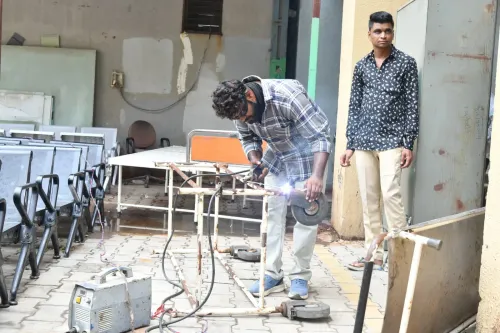
Across the state's hospitals and health facilities, the campaign will focus on removing old furniture, outdated medical equipment, and unnecessary records that have accumulated over the years. Repair work will be undertaken on damaged infrastructure — including broken tiles, doors, windows, electrical fittings, fans, and leaking taps — on what Health Minister Praful Pansheriya described as a 'war footing'. Scrap ambulances, broken chairs, and unusable computers that have sat idle for years will also be cleared, with reclaimed space redirected to improve patient facilities.
What the Chief Minister Said
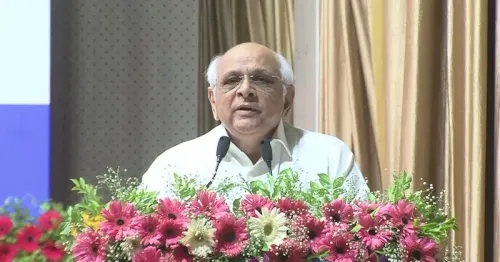
Addressing the inaugural gathering, Patel urged that cleanliness become 'a shared resolve and a natural habit of every citizen rather than remain an activity confined to a single week.' He stressed the inseparable link between sanitation and public health, invoking the maxims 'Health is the first happiness' and 'Prevention is better than cure' as guiding principles for everyday life.
'Cleanliness and health are closely connected. Every citizen should avoid littering and take collective responsibility for keeping public places clean,' Patel said. He also referenced central government programmes — including the Swachh Bharat Abhiyan, Har Ghar Jal, Ujjwala Yojana, and Ayushman Bharat — as having contributed materially to improvements in public health and sanitation across the country.
Amrutpaan Abhiyan: Focus on Maternal and Child Health
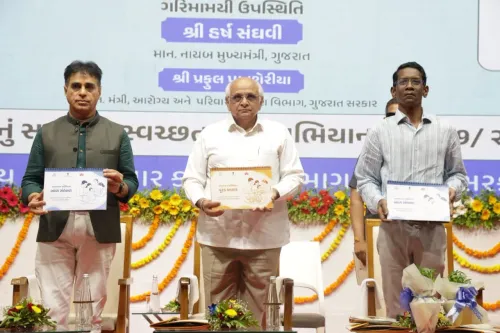
Alongside the cleanliness drive, Patel formally launched the Amrutpaan Abhiyan, describing it as a critical initiative for maternal and child nutrition. He said greater public awareness was essential to ensure children received proper nutrition and protection from birth, stating that 'a healthy child is the foundation of a healthy society and a developed nation.' During the event, Patel and Pansheriya jointly released the Amrutpaan Abhiyan Guidelines and an accompanying Flip Chart prepared for the initiative.
Health Infrastructure and Ayushman Card
The Chief Minister highlighted the expansion of healthcare infrastructure in rural Gujarat and pointed to the Ayushman Card as a significant support mechanism for economically weaker families. He underscored the need to prioritise infection control to reduce hospital-acquired infections, calling on both healthcare workers and citizens to collaborate in building a cleaner, healthier Gujarat. The event coincided with National Doctors' Day, on which Patel extended greetings to medical professionals across the state and acknowledged their contributions to public healthcare.
What Happens Next
Health Minister Pansheriya said the Namo Swachhata Abhiyan was designed not as a one-off exercise but as the starting point for a permanent operational routine within hospitals. The seven-day campaign is expected to conclude on 7 July, after which the Health Department intends to integrate its practices into regular hospital management. Whether the initiative translates into sustained institutional change — rather than a symbolic week of activity — will be the measure of its long-term impact.
Point of View
And the test will be whether the Health Department builds the monitoring mechanisms to make this one stick. The pairing with the Amrutpaan Abhiyan is shrewd: linking physical infrastructure improvement to maternal and child nutrition outcomes gives the campaign a measurable public health dimension beyond optics. But with 11,935 institutions to cover in seven days, execution depth will vary sharply between district civil hospitals and remote primary health centres. The real indicator of success will not be the week's activity but whether infection-control audits six months from now show a structural shift.
NationPress
30 Sept 2026
Frequently Asked Questions
What is the Namo Swachhata Abhiyan launched in Gujarat?
The Namo Swachhata Abhiyan is a week-long statewide cleanliness campaign launched by Gujarat Chief Minister Bhupendra Patel on 1 July, covering all 11,935 government health institutions in the state. It focuses on removing old furniture, outdated equipment, and damaged infrastructure, with repairs to be carried out across Civil Hospitals, Primary Health Centres, and Community Health Centres.
When does the Gujarat hospital cleanliness drive run?
The campaign runs from 1 July to 7 July 2025. After the seven-day drive, the Health Department intends to integrate its practices into the routine operations of all government health facilities.
What is the Amrutpaan Abhiyan?
The Amrutpaan Abhiyan is a companion initiative launched alongside the cleanliness drive, focused on maternal and child health and nutrition. Chief Minister Patel and Health Minister Praful Pansheriya released the Amrutpaan Abhiyan Guidelines and a Flip Chart at the inaugural event in Gandhinagar.
How many health institutions are covered under the drive?
The campaign covers all 11,935 government health institutions in Gujarat, including Civil Hospitals, Primary Health Centres, and Community Health Centres across the state.
Why was the campaign launched on 1 July?
The launch on 1 July coincided with National Doctors' Day, which Chief Minister Patel used as an occasion to extend greetings to medical professionals statewide and highlight the government's commitment to quality public healthcare.