CM Bhupendra Patel Launches Namo Swachhata Abhiyan in Gujarat
Synopsis
Chief Minister Bhupendra Patel launched the 'Namo Swachhata Abhiyan' statewide cleanliness campaign from Gandhinagar on 1 July 2026, extending Gujarat's long-standing alignment with national Swachh Bharat Mission priorities to all districts of the state via municipal bodies and urban local administrations.
Key Takeaways
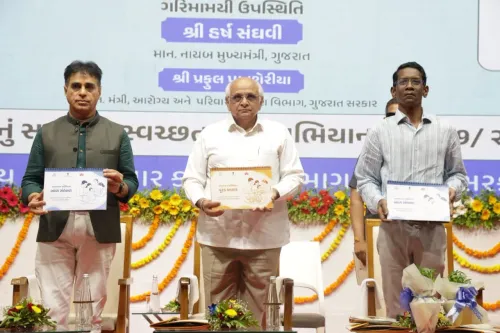
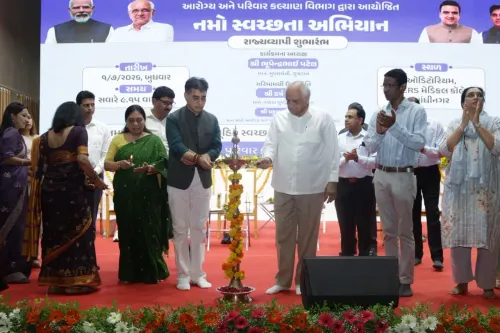
Chief Minister Bhupendra Patel presided over the statewide launch of the Namo Swachhata Abhiyan from Gandhinagar on 1 July 2026 .
The campaign is a Gujarat-specific cleanliness drive aligned with the national Swachh Bharat Mission framework established in 2014 .
The launch was broadcast live and announced officially by the Chief Minister's Office of Gujarat .
Primary implementation responsibility lies with municipal bodies and urban local authorities across the state.
Gujarat's performance in future Swachh Survekshan rankings is expected to be influenced by the Abhiyan's outcomes.
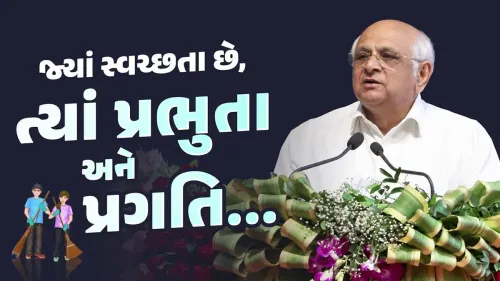
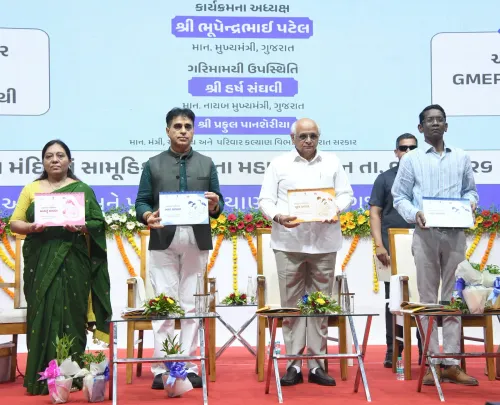
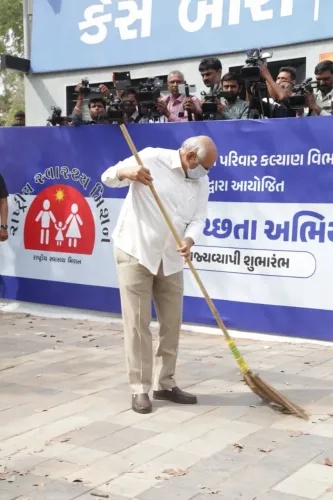
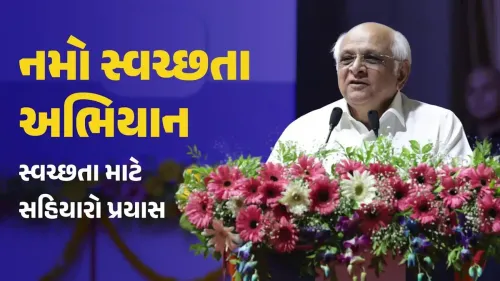
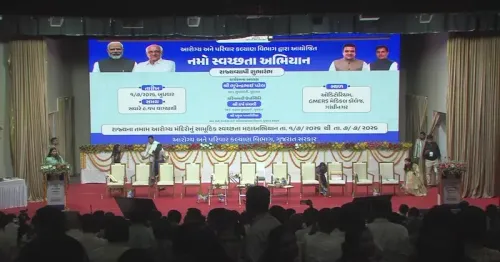
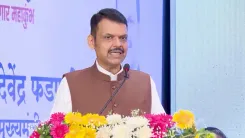
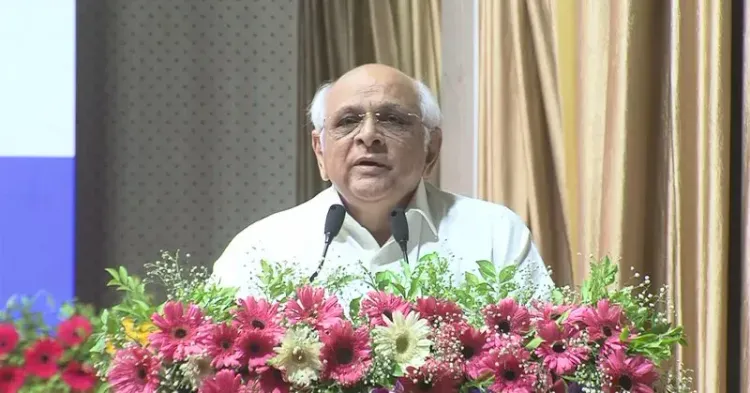
The Chief Minister's Office of Gujarat announced on Wednesday, 1 July 2026 that Chief Minister Bhupendra Patel presided over the statewide launch of the 'Namo Swachhata Abhiyan' from Gandhinagar, marking the beginning of a state-wide cleanliness drive across Gujarat.
Context
The official post from the Chief Minister's Office, written in Gujarati, announced: 'Namo Swachhata Abhiyaan no Gandhinagar khathee rajyavyapi shubharambh' — meaning 'the statewide auspicious launch of the Namo Swachhata Abhiyan from Gandhinagar.' The event was described as being held in the dignified presence (garimamay upasthitimaa) of Chief Minister Bhupendra Patel. A live broadcast of the launch was streamed simultaneously.
The campaign's name — Namo Swachhata Abhiyan — aligns it explicitly with the national cleanliness mission framework championed by the central government since 2014. Launching from Gandhinagar, the state capital, signals that the drive is intended to cascade outward to all districts of Gujarat.
Policy Backdrop
Gujarat's new campaign is rooted in the lineage of the Swachh Bharat Mission, the national programme launched in 2014 to eliminate open defecation and overhaul solid waste management infrastructure across urban and rural India. Gujarat has been an active participant across successive phases of the mission, investing in waste-processing infrastructure and competing in the annual Swachh Survekshan city-cleanliness rankings.
State-level cleanliness campaigns under the BJP government in Gujarat have consistently aligned with central Swachhata priorities. The Namo Swachhata Abhiyan represents the latest iteration of this policy continuity, bringing a Gujarat-specific branding to the broader national sanitation agenda. Municipal bodies and urban local bodies across the state are expected to serve as the primary implementation arms of the drive.
Stakeholders and Impact
The campaign's primary beneficiaries are urban households and communities served by municipal bodies across Gujarat's cities and towns. A statewide rollout implies that districts beyond Gandhinagar — including major urban centres — will be brought under the ambit of the Abhiyan. The drive is expected to mobilise civic agencies, resident welfare associations, and sanitation workers.
For municipal bodies, the launch sets a fresh cleanliness mandate that may influence Gujarat's performance in upcoming Swachh Survekshan assessments, where city rankings carry both reputational and funding implications. Sustained citizen participation will be key to translating the launch-day momentum into measurable on-ground outcomes.
What's Next
Attention will now shift to how swiftly district administrations operationalise the Namo Swachhata Abhiyan across Gujarat's urban and semi-urban areas. Rollout metrics — including waste-collection coverage, community participation figures, and infrastructure targets — will determine the campaign's tangible impact.
Gujarat's standing in the next cycle of Swachh Survekshan rankings will serve as an important external benchmark for the Abhiyan's effectiveness. Any follow-up policy announcements or funding allocations from the state government will clarify the scale and duration of the drive.
Point of View
The initiative explicitly invokes the national cleanliness mission's political parentage, a pattern the state has repeated across multiple policy domains since 2014. The statewide rollout on a single day — with a live broadcast anchored by the Chief Minister — signals that this is as much a political mobilisation exercise as an administrative one. How the campaign performs in Swachh Survekshan rankings will ultimately determine whether it translates symbolic momentum into substantive civic improvement.
NationPress
29 Sept 2026
Frequently Asked Questions
What is Namo Swachhata Abhiyan in Gujarat?
Namo Swachhata Abhiyan is a statewide cleanliness campaign launched by the Gujarat government on 1 July 2026 from Gandhinagar, presided over by Chief Minister Bhupendra Patel. It is aligned with the national Swachh Bharat Mission framework.
Who launched the Namo Swachhata Abhiyan?
Chief Minister Bhupendra Patel of Gujarat launched the Namo Swachhata Abhiyan. The official launch was held at Gandhinagar and announced by the Chief Minister's Office of Gujarat.
Where was the Namo Swachhata Abhiyan launched?
The campaign was launched from Gandhinagar, the capital of Gujarat, with a statewide rollout intended to cover all districts of the state through municipal bodies and urban local authorities.
How is Namo Swachhata Abhiyan related to Swachh Bharat Mission?
The Namo Swachhata Abhiyan is Gujarat's state-level campaign aligned with the national Swachh Bharat Mission, which was launched by the Government of India in 2014 to improve sanitation and solid waste management across the country.
What impact will Namo Swachhata Abhiyan have on Gujarat's Swachh Survekshan ranking?
The campaign is expected to influence Gujarat's performance in future Swachh Survekshan city-cleanliness rankings, as it mobilises municipal bodies and urban households statewide toward improved sanitation outcomes.