CM Bhupendra Patel: Gujarat leads India's green hydrogen push
Synopsis
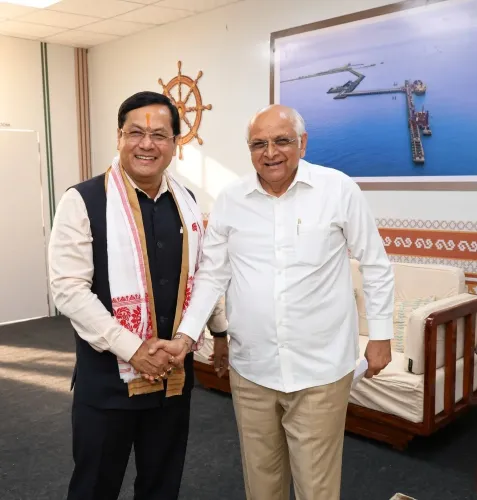
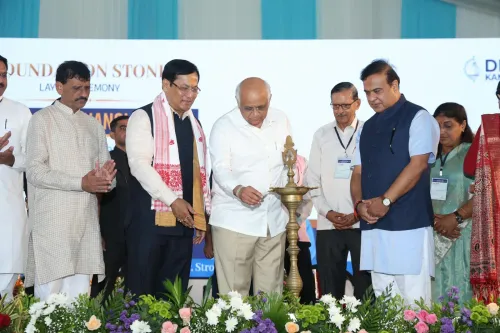
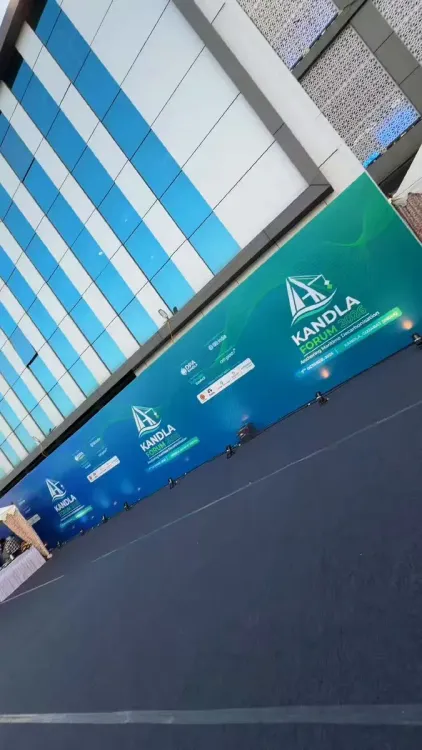
Gujarat CM Bhupendra Patel spotlighted Hydrogen Council leaders visiting DPA Kandla at Kandla Forum 2026, reinforcing Gujarat's drive to become a global green hydrogen and sustainable maritime hub under PM Modi's clean-energy vision.
Key Takeaways
Global leaders from the Hydrogen Council visited DPA Kandla during Kandla Forum 2026 on October 10, 2026 .
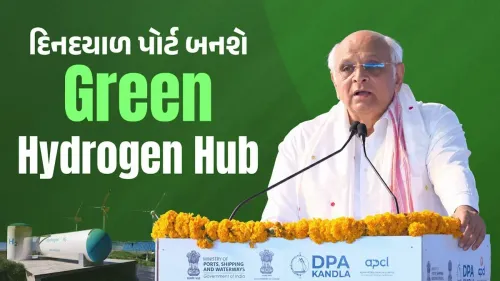
CM Bhupendra Patel described the engagement as a step toward making Gujarat a 'global hub for Green Hydrogen.' DPA Kandla , located on the Gulf of Kutch, offers direct access to West Asian shipping lanes, making it strategically significant for hydrogen export corridors.
India's National Green Hydrogen Mission targets 5 million metric tonnes of annual green hydrogen production by 2030 .
The forum highlights Gujarat's dual focus: onshore clean energy production and sustainable maritime decarbonisation .
Gujarat's renewable energy assets in Kutch and Saurashtra provide a natural foundation for cost-competitive green hydrogen production.
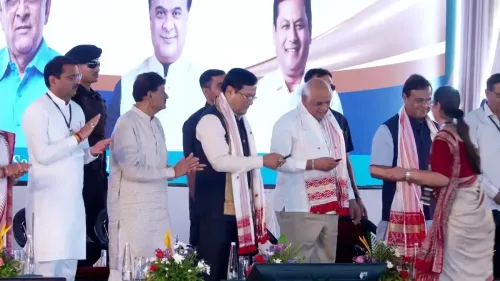
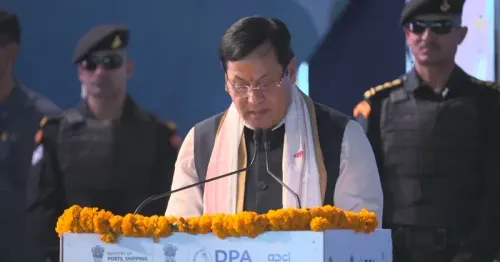
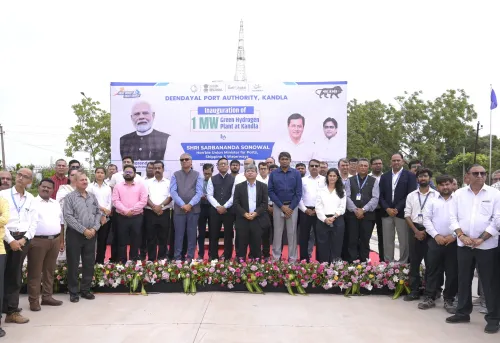
Green hydrogen is no longer a distant ambition for Gujarat — it is arriving at the docks. Gujarat Chief Minister Bhupendra Patel on Saturday, October 10, 2026, highlighted a significant moment at Kandla Forum 2026, where global industry leaders from the Hydrogen Council visited Deendayal Port Authority (DPA) Kandla to explore the port's pioneering green hydrogen initiatives.
Hydrogen Council visits Kandla — what it signals
The Hydrogen Council is a global CEO-led initiative representing some of the world's largest energy, transport, and industrial companies committed to accelerating the hydrogen economy. Its leaders making a dedicated visit to DPA Kandla — one of India's largest and oldest major ports, located on the Gulf of Kutch in Gujarat — places the port squarely on the international green energy map. CM Patel described witnessing the interaction as 'encouraging', underscoring that the state is actively courting global partnerships, not just domestic investment.
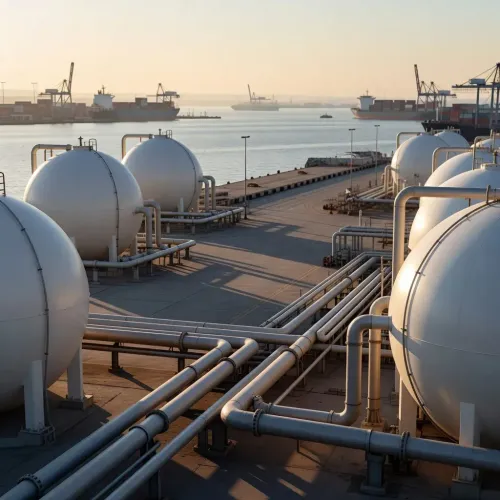
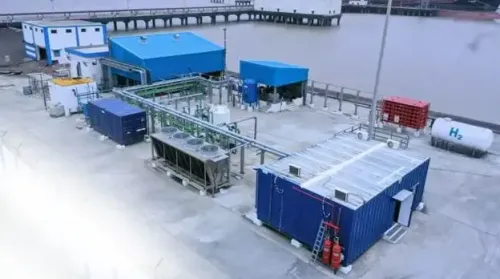
Kandla's strategic location makes it a natural gateway for hydrogen exports and imports, with direct access to West Asian shipping lanes. A port-level green hydrogen ecosystem — covering production, storage, and maritime bunkering — would position DPA Kandla as a critical node in the emerging global clean-fuel supply chain.
Gujarat's bet on becoming a global green hydrogen hub
CM Patel framed the development within Prime Minister Narendra Modi's broader vision, pointing to Gujarat's sustained push to become a 'global hub for Green Hydrogen, clean energy innovation and sustainable maritime development.' The state has long leveraged its extensive coastline, high renewable energy potential — particularly solar and wind in the Kutch and Saurashtra regions — and established port infrastructure to attract clean energy investment.
India's National Green Hydrogen Mission, launched by the central government, targets production of 5 million metric tonnes of green hydrogen annually by 2030, with significant investment in electrolyser manufacturing and export infrastructure. Gujarat, with projects already announced at Kandla and the GIFT City ecosystem providing financing frameworks, has positioned itself as the preferred execution ground for that national ambition.
Maritime decarbonisation — the quiet revolution at Kandla
What makes the Kandla angle particularly consequential is the maritime dimension. Shipping accounts for roughly 3 per cent of global greenhouse gas emissions, and international regulators are pushing hard for green marine fuels. A port that can supply green hydrogen or its derivatives — green ammonia, methanol — to vessels calling at Kandla would give India a rare first-mover advantage in the Asian maritime bunkering market. CM Patel's reference to 'sustainable maritime development' in his post is not incidental; it points to a port strategy that goes well beyond onshore energy generation.
The Kandla Forum 2026 gathering, bringing together global hydrogen industry executives and Indian port authorities on the same platform, is exactly the kind of convergence that turns policy intent into bankable projects. Gujarat is not waiting for the green transition to arrive — it is building the infrastructure to host it.
Point of View
And such visits often precede formal investment commitments. Framing the initiative under PM Modi's 'Viksit Bharat' vision also serves a dual purpose: it anchors state-level action within the national policy mandate, making Gujarat's pitch to international investors look both stable and politically durable. The maritime angle — clean bunkering fuels at a major Indian port — is the genuinely novel frontier here, and one that global shipping majors are watching closely.
NationPress
10 Oct 2026
Frequently Asked Questions
What is the Hydrogen Council and why did it visit Kandla?
The Hydrogen Council is a global CEO-led initiative representing major energy, transport, and industrial companies working to scale up the hydrogen economy. Its leaders visited DPA Kandla during Kandla Forum 2026 to explore the port's green hydrogen production and maritime fuel initiatives.
What is DPA Kandla's role in India's green hydrogen plans?
Deendayal Port Authority (DPA) Kandla , one of India's largest major ports on the Gulf of Kutch , is being developed as a hub for green hydrogen production, storage, and maritime bunkering, leveraging its proximity to renewable energy zones and West Asian shipping routes.
What is India's National Green Hydrogen Mission target?
India's National Green Hydrogen Mission targets annual production of 5 million metric tonnes of green hydrogen by 2030 , with Gujarat identified as a key production and export state.
Why is Gujarat considered a leader in green hydrogen in India?
Gujarat has high solar and wind energy potential in Kutch and Saurashtra , a long coastline with major ports, and an established investment ecosystem, making it the most competitive state for low-cost green hydrogen production and export.
What is sustainable maritime development as mentioned by CM Patel?
Sustainable maritime development refers to decarbonising the shipping sector by supplying green fuels — such as green hydrogen, ammonia, or methanol — to vessels at ports like Kandla, reducing the roughly 3 per cent of global emissions attributed to international shipping.