Gujarat cuts foreign trips, mandates EVs in sweeping austerity drive after Modi appeal
Synopsis
Gujarat has rolled out one of the most detailed state-level austerity packages in recent memory — banning unnecessary foreign trips, mandating EVs for officials with access to them, extending Metro services to 11 pm, and ordering simpler government events. The move follows PM Modi's appeal for resource prudence and signals a deliberate alignment between state and central fiscal discipline.
Key Takeaways
Gujarat cabinet cleared sweeping austerity measures on 15 May 2025 under CM Bhupendra Patel and Deputy CM Harsh Sanghavi .
Officials with access to EVs or hybrid vehicles are now required to use them exclusively over conventional government cars.
Foreign visits, overseas seminars, and training programmes are banned except under unavoidable circumstances.
Surplus official vehicles must be returned to the government pool; officers with multiple charges may retain only one primary vehicle .
Metro rail services in Gujarat to be extended until 11 pm to encourage public transport use.
Piped natural gas (PNG) connectivity to be made mandatory in all government canteens within six months .
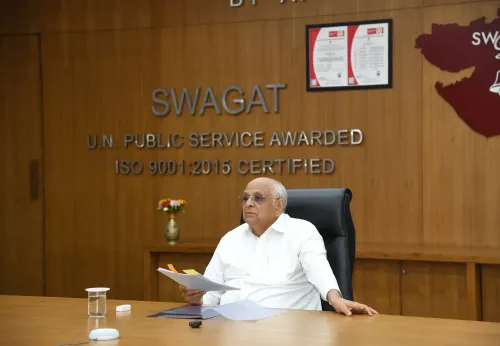
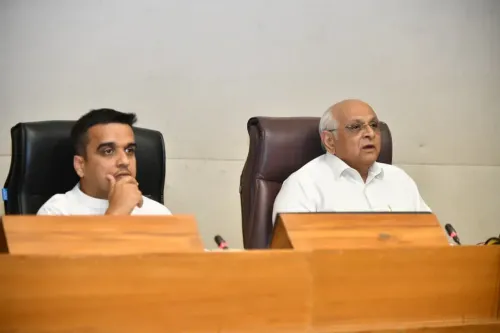
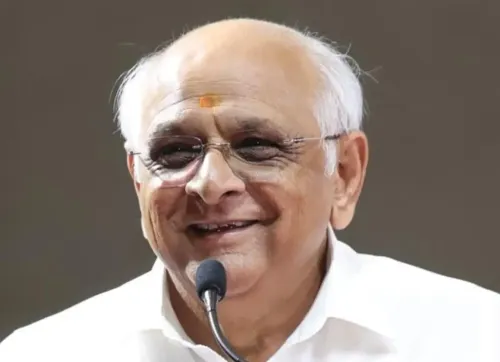
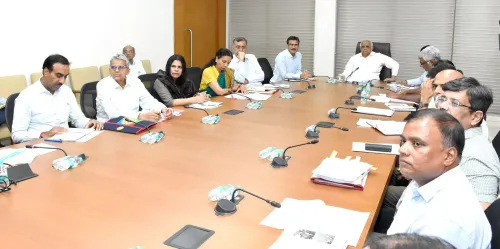
The Gujarat government on Friday, 15 May unveiled a sweeping package of austerity and resource-conservation measures — covering official travel, vehicle use, government events, and public transport — following Prime Minister Narendra Modi's recent appeal for prudent use of national resources. The decisions were cleared at a state cabinet meeting held under Chief Minister Bhupendra Patel and Deputy Chief Minister Harsh Sanghavi in Gandhinagar.
Key Measures Announced
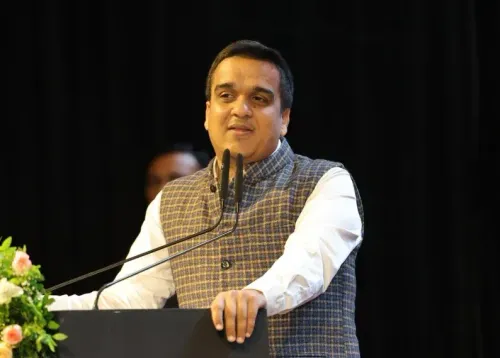
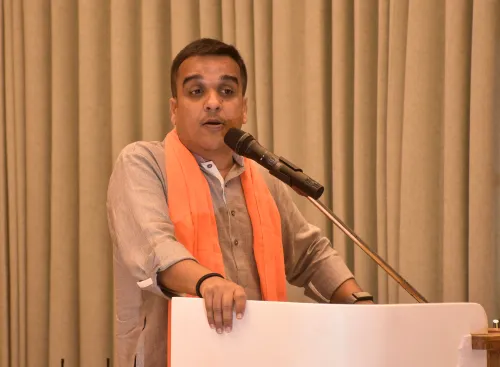
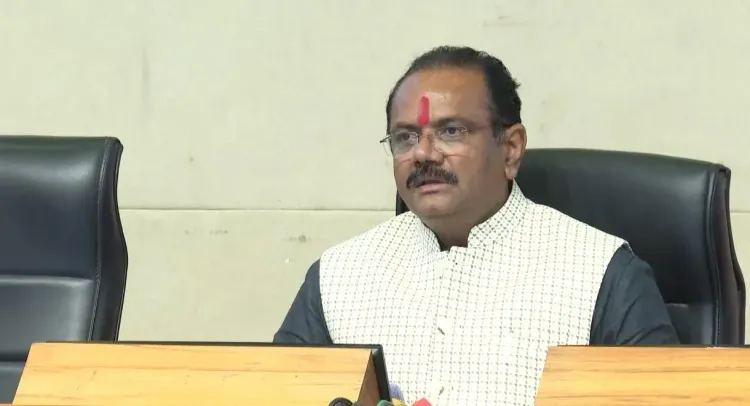
State government spokesperson and minister Jitu Vaghani outlined the package after the cabinet meeting. Officials across all departments have been directed to avoid physical travel wherever possible, relying instead on video conferencing, telephone, and e-mail for routine official work. Field-level officers are not to be summoned for meetings unless strictly necessary, and participation in meetings convened by the Centre or other state governments should be handled online 'as far as possible,' according to the guidelines.
Foreign visits, overseas training programmes, seminars, and conferences are to be avoided except under unavoidable circumstances. Where travel outside Gujarat is compelled, senior officials have been instructed not to carry unnecessary staff. District-to-district travel has similarly been discouraged, with officials required to notify their controlling authority before any such movement.
EV Mandate and Vehicle Rationalisation
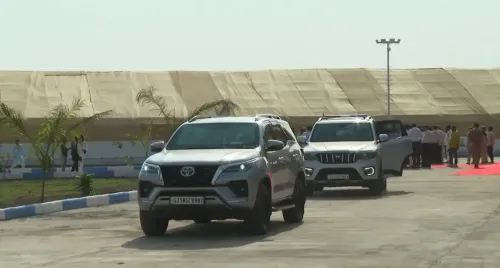
In a notable operational shift, officials who have access to electric vehicles (EVs) or hybrid vehicles as an alternative to conventional government cars will now be required to use them exclusively. All administrative departments and subordinate offices have been ordered to audit their official vehicle fleets and withdraw surplus vehicles from active service. Officers holding multiple charges will be permitted to retain only one primary vehicle, with all additional vehicles deposited into the government vehicle pool.
Government employees have also been encouraged to use public transport — including Metro rail, GSRTC buses, and railways — in place of private vehicles. In a related move, Metro rail services will be extended until 11 pm to facilitate this shift.
Simpler Events, Mandatory PNG in Canteens
Government events and inauguration programmes are to be organised 'with simplicity,' with departments encouraged to use virtual methods for official functions wherever feasible. As part of energy-saving measures, piped natural gas (PNG) connectivity will be made mandatory in all government canteens within the next six months.
The state has also decided to strengthen procurement policies to prioritise indigenous products, locally manufactured goods, and MSMEs across government institutions.
Anti-Hoarding Drive and Public Appeal
The government announced plans to run public awareness campaigns against panic buying and unnecessary hoarding. Vaghani appealed directly to citizens: 'Citizens should not panic under any circumstances and should avoid unnecessary hoarding of resources.' Drawing a parallel with the Covid-19 pandemic, he expressed confidence that the people of Gujarat would extend cooperation similar to what they showed during that period.
What the Government Said
'Under the leadership of Chief Minister Bhupendra Patel, the state government is committed to protecting both the environment and the government treasury,' Vaghani said. He added that the measures were expected to significantly reduce consumption of petrol, diesel, and foreign exchange while safeguarding both the environment and the public exchequer. This package represents one of the more comprehensive administrative austerity drives undertaken by any state government in recent years, and signals Gujarat's alignment with the Centre's push for resource discipline amid evolving global economic conditions.
Point of View
Making it a low-cost, high-signal move. The harder question is enforcement: India's administrative austerity drives have a long history of detailed circulars and thin follow-through. Whether Gujarat builds a compliance mechanism or lets this fade into the file-noting culture will determine if this is policy or optics.
NationPress
28 Sept 2026
Frequently Asked Questions
What austerity measures has the Gujarat government announced?
The Gujarat government has announced a wide package including a ban on unnecessary foreign trips for officials, mandatory use of EVs or hybrid vehicles where available, rationalisation of official vehicle fleets, encouragement of public transport, simpler government events, and mandatory PNG connectivity in government canteens within six months. The measures follow PM Modi's appeal for prudent use of resources.
Why has Gujarat introduced these measures now?
The measures were introduced in response to Prime Minister Narendra Modi's recent appeal for prudent use of national resources amid the prevailing global economic situation. The state cabinet cleared the package on 15 May 2025 at a meeting led by CM Bhupendra Patel and Deputy CM Harsh Sanghavi.
Who is affected by the new EV and travel rules?
All state government officials and employees across administrative departments and subordinate offices are covered. Officials with access to EVs or hybrid vehicles must now use them exclusively, and those holding multiple charges may retain only one primary vehicle.
What changes are being made to Metro rail services in Gujarat?
Metro rail services will be extended until 11 pm to make it easier for government employees and the general public to use public transport instead of private vehicles, as part of the state's environmental conservation push.
How does the Gujarat austerity drive compare to past such efforts?
This package is among the more detailed state-level austerity directives in recent years, covering travel, vehicles, events, procurement, and energy use in a single cabinet decision. State minister Jitu Vaghani drew a parallel with public cooperation during the Covid-19 pandemic, suggesting the government views this as a similarly significant collective effort.