Gujarat museums cross 16 lakh visitors in 2 years as digital tech reshapes heritage
Synopsis
Gujarat's museums have quietly become some of India's most technologically advanced cultural spaces — and the numbers are catching up. With 16 lakh visitors in two years, earthquake simulators in Bhuj, a salt-mound-shaped Gandhi museum in Gandhinagar, and the world's largest maritime museum rising at Lothal, the state is rewriting what a public museum can be.
Key Takeaways
Gujarat's museums recorded more than 16 lakh visitors over the past two years , reflecting rising public engagement with heritage.
Five new museums have been established in the state over the past decade, including Smritivan in Bhuj, Dandi Kutir in Gandhinagar, and the Vadnagar Archaeological Museum (opened 2025 ).
Museums are deploying AR, VR, 3D projection mapping, holograms , and interactive touchscreens to modernise visitor engagement.
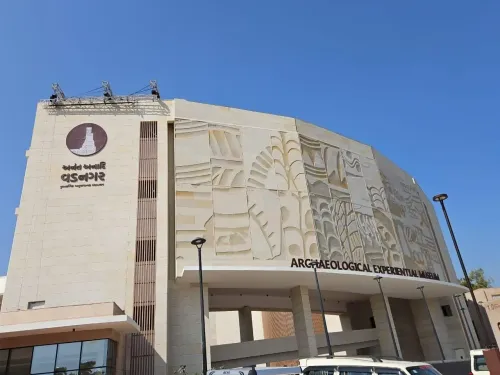
The Vadnagar Archaeological Museum is described as India's first to offer an on-site excavation experience, covering seven cultural phases over 2,500 years .
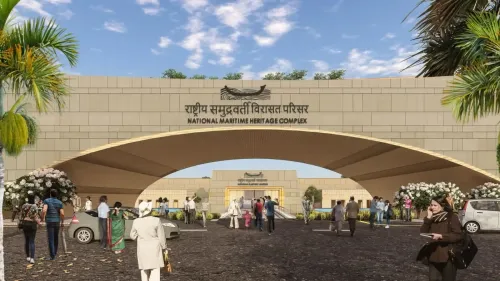
The National Maritime Heritage Complex at Lothal is under construction and is expected to become the world's largest maritime museum .
The expansion is framed under the state's 'Vikas Bhi, Virasat Bhi' heritage-development policy.
Gujarat's museums have collectively drawn more than 16 lakh visitors over the past two years, signalling a sharp rise in public engagement with the state's cultural and historical legacy as institutions increasingly deploy augmented reality (AR), virtual reality (VR), 3D projection mapping, and interactive technologies to modernise the visitor experience.
Scale of the Transformation
Pankaj Sharma, Director of Archaeology and Museums under the state government's Youth Services and Cultural Activities Department, said museums across Gujarat have undergone a fundamental shift in recent years. 'With the integration of digital technology, museums are no longer merely repositories of artefacts but have become vibrant centres of knowledge and culture,' he said.
Gujarat has established five new museums over the past decade, with flagship projects including the Smritivan Earthquake Memorial and Museum in Bhuj, Dandi Kutir in Gandhinagar, and the Vadnagar Archaeological Museum. Officials said these institutions reflect the state's intent to preserve heritage while making it accessible to contemporary and younger audiences.
Key Museums and What They Offer
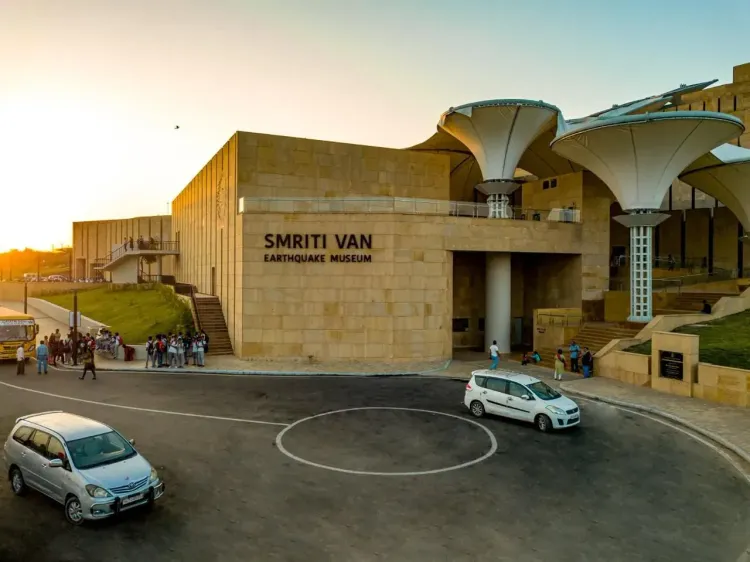
The Smritivan Earthquake Memorial and Museum, situated on Bhujiyo Hill in Bhuj, was built in memory of those who perished in the devastating 2001 Gujarat earthquake. The facility incorporates a simulator that allows visitors to experience earthquake conditions, and through theatres, digital installations, and immersive exhibits, it documents both the scale of the disaster and the subsequent story of reconstruction. Visitors have described it as a powerful representation of the resilience of the people of Kutch.
Dandi Kutir, inaugurated in 2015 in Gandhinagar, is housed within a 41-metre-high conical structure designed to resemble a mound of salt — a reference to the Salt Satyagraha launched by Mahatma Gandhi in 1930. Using light, sound, animation, and multimedia presentations, the museum guides visitors through key events in Gandhi's life and India's freedom movement.
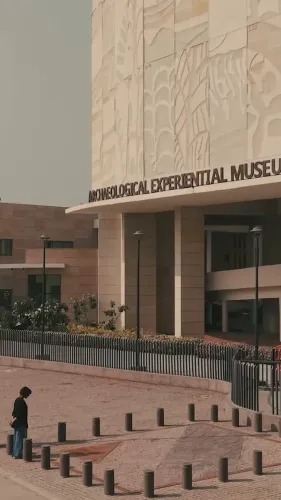
The Vadnagar Archaeological Museum, opened in 2025, is described as the first of its kind in India to offer visitors an on-site excavation experience alongside artefact displays. It uses AR, VR, 3D displays, replicas, and dioramas to trace seven cultural phases spanning approximately 2,500 years of the settlement's history.
Upcoming Projects: Lothal and Beyond
Gujarat is also developing the National Maritime Heritage Complex at Lothal, one of the most significant port cities of the ancient Indus Valley Civilisation. Currently under construction, the complex is expected to become the world's largest maritime museum, featuring immersive galleries, virtual presentations, maritime trade models, and interactive exhibits documenting ancient shipping routes and seafaring traditions.
The Statue of Unity complex in Kevadia also houses a museum dedicated to the life of Sardar Vallabhbhai Patel and the integration of India's princely states after Independence, combining historical exhibits with modern presentation techniques.
Government's Heritage-Development Vision
Officials noted that the expansion of museum infrastructure aligns with the 'Vikas Bhi, Virasat Bhi' (Development as well as Heritage) vision advanced over the past decade. Under Chief Minister Bhupendra Patel and with the guidance of Deputy Chief Minister Harsh Sanghavi, efforts have been directed at introducing younger generations to Gujarat's ancient legacy while simultaneously safeguarding historical sites and living traditions.
Sharma said the character of museums has evolved in step with public expectations: 'Gujarat had sought to balance economic growth with the preservation of its historical and cultural legacy.' With the Lothal maritime complex set to open and visitor numbers already surpassing 16 lakh, the state's museum ecosystem is poised for further growth.
Point of View
But the more significant story is structural: Gujarat is systematically converting passive heritage sites into technology-driven experience centres at a pace few Indian states have matched. The Lothal maritime complex, if it delivers on its 'world's largest' billing, could reshape India's cultural tourism map. What remains to be seen is whether visitor numbers translate into deeper civic engagement with history, or whether the spectacle of VR and earthquake simulators overshadows the interpretive depth that serious heritage institutions require.
NationPress
19 Sept 2026
Frequently Asked Questions
How many visitors have Gujarat's museums received in the past two years?
Gujarat's museums have drawn more than 16 lakh visitors over the past two years, according to the state's Directorate of Archaeology and Museums. The figure reflects growing public interest in the state's cultural and historical heritage.
What is the Smritivan Earthquake Memorial and Museum in Bhuj?
The Smritivan Earthquake Memorial and Museum is located on Bhujiyo Hill in Bhuj and was built to commemorate those who died in the 2001 Gujarat earthquake. It features an earthquake simulator, digital installations, and immersive exhibits that document both the disaster and Gujarat's recovery.
What is the National Maritime Heritage Complex at Lothal?
The National Maritime Heritage Complex at Lothal is a museum project currently under construction at one of the most significant port cities of the ancient Indus Valley Civilisation. It is expected to become the world's largest maritime museum, featuring immersive galleries, virtual presentations, and interactive exhibits on ancient trade routes and seafaring traditions.
What makes the Vadnagar Archaeological Museum unique?
Opened in 2025, the Vadnagar Archaeological Museum is described as the first of its kind in India to offer visitors an on-site excavation experience alongside artefact displays. It uses AR, VR, 3D displays, and dioramas to trace seven cultural phases spanning approximately 2,500 years.
What technologies are Gujarat's museums using to enhance the visitor experience?
Museums across Gujarat are deploying augmented reality, virtual reality, 3D projection mapping, holograms, and interactive touchscreens. These tools allow visitors to engage directly with exhibits and historical narratives, moving beyond traditional artefact displays.