Gujarat seeks organ transplant unit at AIIMS Rajkot at 16th CCHFW meet
Synopsis
At the 16th CCHFW meeting in New Delhi, Gujarat pushed three under-reported but consequential demands: a transplant unit at AIIMS Rajkot to serve Saurashtra and Kutch, tougher adulteration laws, and a national antibiotic policy — placing AMR squarely on the Centre's agenda.
Key Takeaways
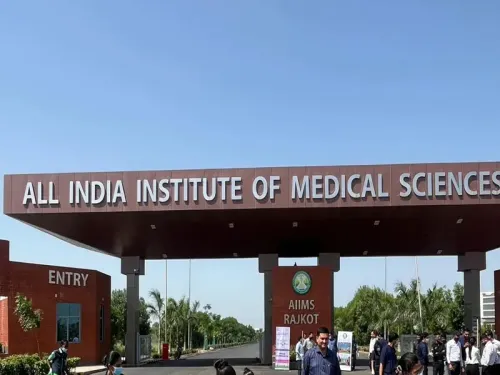
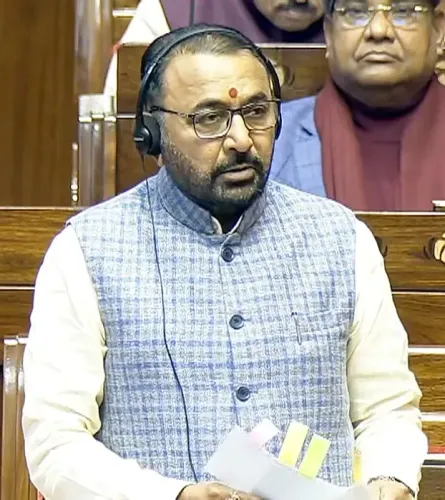
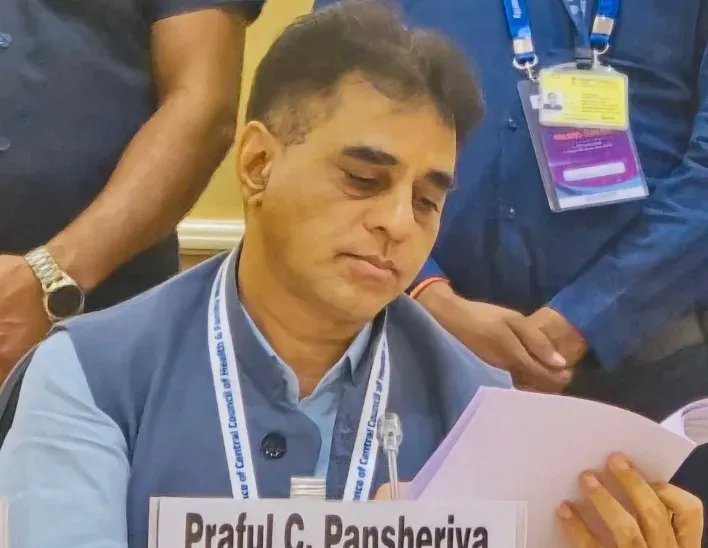
Gujarat Health Minister Praful Pansheriya urged the Centre to set up an organ transplant facility at AIIMS Rajkot at the 16th CCHFW meeting on 30 June in New Delhi .
The facility is intended to serve patients from Saurashtra and Kutch , eliminating the need for long-distance travel for specialised care.
Gujarat called for amendments to the Food Safety and Standards Act, 2006 to introduce more deterrent penalties against food and drug adulteration.
The state raised concerns over uncontrolled antibiotic use and urged the Centre to enforce a national antibiotic policy to combat antimicrobial resistance .
The meeting saw the launch of digital platforms under the Ayushman Bharat Digital Mission and the release of operational guidelines for the 'Anaemia Mukt Bharat' campaign.
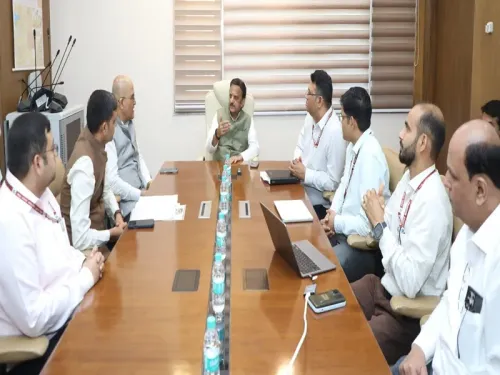
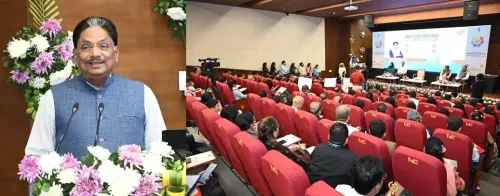
Gujarat Health Minister Praful Pansheriya on 30 June urged the Centre to establish a full-fledged organ transplant facility at AIIMS Rajkot, arguing it would spare thousands of patients in the Saurashtra and Kutch regions from travelling long distances for specialised care. The demand was placed before the 16th meeting of the Central Council of Health and Family Welfare (CCHFW) held in New Delhi, chaired by Union Health and Family Welfare Minister J.P. Nadda.
The Case for AIIMS Rajkot
Pansheriya argued that a dedicated transplant unit at AIIMS Rajkot would bring advanced tertiary care within reach of patients across western Gujarat. 'The facility would allow thousands of patients in western Gujarat to receive timely and quality treatment closer to home,' he said. Currently, patients from Saurashtra and Kutch must travel to larger cities for organ transplant procedures, adding financial and logistical strain to already critical medical situations.
Tougher Laws on Food and Drug Adulteration
The Gujarat minister also called for amendments to the Food Safety and Standards Act, 2006, seeking more stringent and deterrent legal provisions against those involved in the adulteration of food and medicines. 'Stronger laws would allow authorities to take tougher action against offenders and help curb offences that pose a risk to public health,' officials quoted Pansheriya as saying. Critics of the current framework have long argued that penalties under the existing law are insufficient to act as a credible deterrent.
Antibiotic Overuse and Antimicrobial Resistance
Pansheriya raised alarm over the rising, unregulated use of antibiotics across India, warning that unchecked consumption is accelerating antimicrobial resistance (AMR) — a concern that public health experts have flagged as a slow-moving crisis. He urged the Centre to formulate and strictly enforce a national antibiotic policy to ensure responsible, regulated use. India is among the world's largest consumers of antibiotics, and AMR is increasingly recognised as a systemic threat to healthcare outcomes.
Key Launches at the CCHFW Meeting
The 16th CCHFW session also saw the launch of several digital platforms under the Ayushman Bharat Digital Mission, aimed at broadening technology-driven healthcare access nationwide. Operational guidelines for the 'Anaemia Mukt Bharat' campaign were released at the meeting, designed to support efforts to reduce anaemia prevalence and improve overall public health outcomes. Participants reviewed measures to strengthen digital health delivery and discussed improving transparency and accessibility in health services.
Gujarat's Broader Health Commitments
Speaking after the meeting, Pansheriya said Gujarat would continue working in coordination with the Centre to strengthen the state's healthcare infrastructure. He reiterated the state government's commitment to supporting the Digital Health Mission to ensure better services for all citizens. The minister also said Gujarat's efforts are guided by the vision of Prime Minister Narendra Modi and Chief Minister Bhupendra Patel. The next steps on Gujarat's proposals — including the AIIMS Rajkot transplant unit — now rest with the Centre's response to the CCHFW deliberations.
Point of View
Adulteration penalties, and antibiotic regulation — reflects a state that has moved beyond routine health-scheme endorsements to flagging structural gaps in national policy. The AIIMS Rajkot demand is the most tractable: a facility decision rests with the Centre and has a clear geographic rationale. The antibiotic ask is more complex; India has had AMR action plans on paper since 2017, yet enforcement remains patchy. Until the Centre pairs a national antibiotic policy with a credible inspection and prescription-audit mechanism, the demand risks becoming another well-intentioned resolution that does not translate into changed behaviour on the ground.
NationPress
29 Sept 2026
Frequently Asked Questions
What did Gujarat demand at the 16th CCHFW meeting?
Gujarat urged the Centre to establish a full-fledged organ transplant facility at AIIMS Rajkot, amend the Food Safety and Standards Act for stricter adulteration penalties, and introduce a national policy on regulated antibiotic use. The demands were placed by Health Minister Praful Pansheriya at the meeting chaired by Union Health Minister J.P. Nadda in New Delhi on 30 June.
Why is an organ transplant facility needed at AIIMS Rajkot?
Patients from the Saurashtra and Kutch regions of western Gujarat currently have to travel long distances for organ transplant procedures. A dedicated facility at AIIMS Rajkot would bring specialised care closer to home for thousands of patients, reducing both financial burden and medical risk from delayed treatment.
What changes did Gujarat seek to the Food Safety and Standards Act, 2006?
Gujarat called for stricter and more deterrent legal provisions against food and drug adulteration under the Food Safety and Standards Act, 2006. The state argued that existing penalties are insufficient to deter offenders who pose a serious risk to public health.
What was launched at the 16th CCHFW meeting?
The meeting saw the launch of several digital platforms under the Ayushman Bharat Digital Mission and the release of operational guidelines for the 'Anaemia Mukt Bharat' campaign, both aimed at improving healthcare access and reducing anaemia prevalence nationwide.
What is antimicrobial resistance and why did Gujarat raise it?
Antimicrobial resistance (AMR) occurs when bacteria evolve to resist antibiotics, making infections harder to treat. Gujarat raised the issue because uncontrolled antibiotic use in India is accelerating AMR, and the state urged the Centre to formulate and strictly enforce a national antibiotic policy to address this growing public health threat.