Gujarat Prepares for Digital Census: A New Era Begins in 2027
Synopsis
Gujarat is setting the stage for a transformative digital Census in 2027, prioritizing accuracy and innovative technology. This comprehensive initiative aims to reshape the future of data collection and planning for urban development.
Key Takeaways
Gujarat is initiating preparations for the 2027 Census.
The focus will be on accuracy and digital tools.
Citizen participation through digital self-enumeration is a first.
The Census is crucial for future policy and urban planning.
Operations start in April-May 2026.
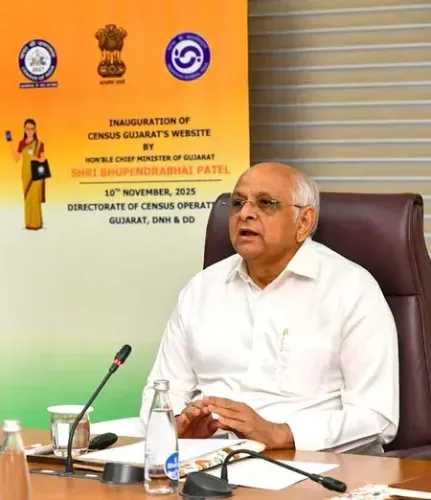
Gandhinagar, Feb 24 (NationPress) Gujarat has initiated its preparations for the Phase-1 of the national Census set for 2027. Officials are focusing on precision, transparency, and leveraging digital technologies to streamline the process.
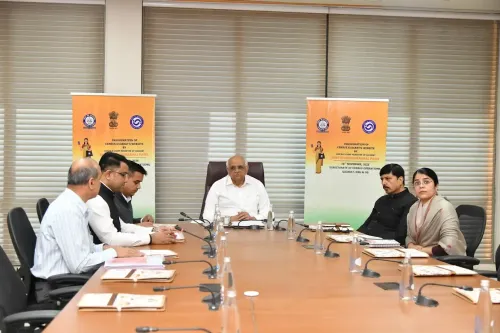
A special assembly of Principal Census Officers from Gujarat, Dadra and Nagar Haveli, as well as Daman and Diu, convened in Gandhinagar under the leadership of Chief Secretary M. K. Das.
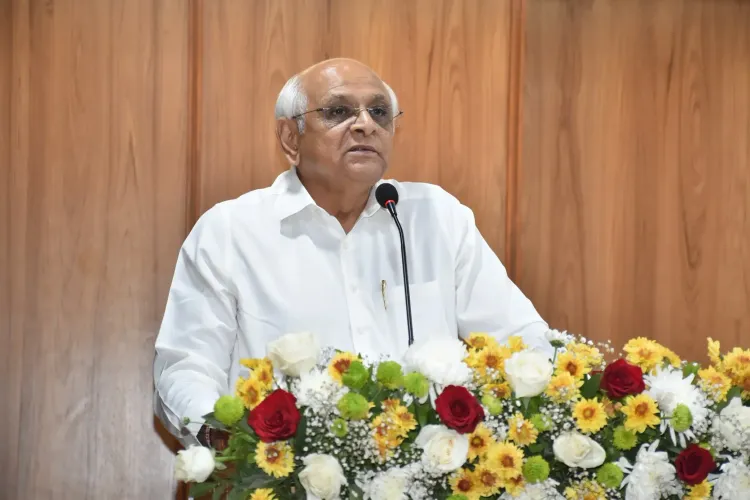
Chief Secretary M. K. Das asserted that the 2027 Census will establish a new standard in administrative efficiency and digital governance.
“India’s census represents the largest and most critical administrative undertaking in the nation. The data from the 2027 Census will be vital for policy formulation and the comprehensive growth of the country. Given the swift population increase in urban locales, these statistics will serve as a cornerstone for future developmental projects,” he articulated.
Das further mentioned that the implementation of digital tools would expedite the census process, which traditionally required 3 to 4 years for completion.
He stressed that the Census is not just a statutory obligation but a framework upon which the future planning of the nation, citizen-centric program objectives, and development strategies will depend.
“Thorough planning at both district and urban levels is crucial. The state administration is dedicated to executing the census with utmost administrative readiness,” Das declared.
Registrar General and Census Commissioner of India, Mrityunjay Kumar Narayan, provided insights into the historical significance of India’s census.
“The first modern census in India took place in 1881, continuing every decade until 2011. The success of the census hinges on the proactive leadership, backing, and continuous monitoring by district collectors and municipal commissioners,” he noted.
Additional Chief Secretary of the Revenue Department, Jayanti Ravi, shared innovative plans for the upcoming Census, highlighting that extensive technology utilization would assure real-time transparency and aid in data analysis.
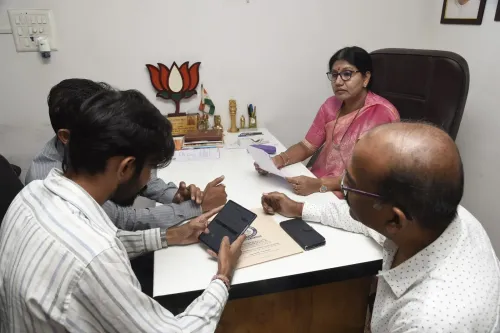
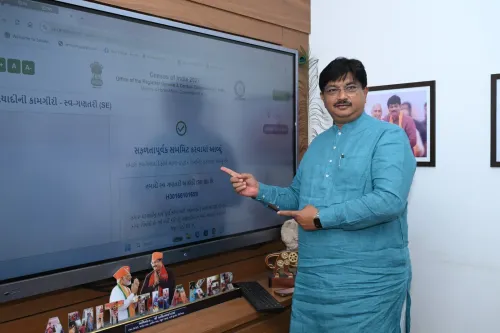
“For the first time, digital self-enumeration will be implemented during the house listing stage, enabling citizens to engage actively and become essential participants in the process,” she explained.
Director of Census, Gujarat, Sujal Mayatra, characterized the census as one of the globe’s largest and most intricate administrative endeavors, showcasing India’s institutional capability.
“Decadal population data is crucial for resource distribution, urban planning, welfare initiatives, and targeted measures. The 2027 Census is particularly important as it will take place in an era dominated by data-driven, technology-enabled governance,” he added.
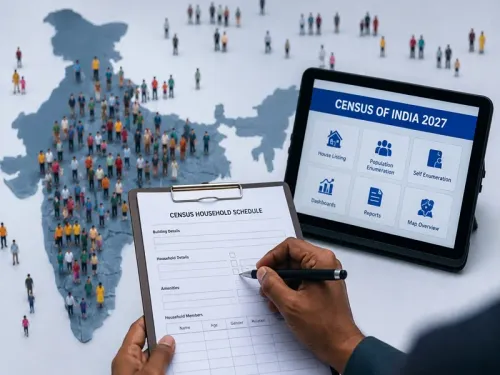
The meeting also included presentations regarding planning, training, staff appointments, and facilities for digital self-enumeration under HLO Phase I, which focuses on compiling comprehensive lists of houses and residential units.
The Census will unfold in two stages: the initial phase for house listing and housing census, followed by the second for population enumeration.
HLO operations are slated to commence in April-May 2026, with citizens having the option to submit their information online.
The gathering was attended by secretaries, district collectors, and municipal commissioners.
Point of View
It's essential to recognize that Gujarat's preparation for the 2027 Census is a critical step in enhancing administrative effectiveness and fostering data-driven governance, positioning the state as a leader in innovative public administration.
NationPress
17 Sept 2026
Frequently Asked Questions
What is the primary focus of the 2027 Census in Gujarat?
The primary focus is to ensure accuracy, transparency, and the application of digital tools to streamline the census process.
When will the 2027 Census operations begin?
The HLO operations are scheduled to start in April-May 2026.
How does the digital self-enumeration work?
Digital self-enumeration allows citizens to actively participate in the census by submitting their information online during the house listing phase.
Why is the 2027 Census considered significant?
It is significant because the data collected will be crucial for policy decisions, urban planning, and the overall development of the nation.
What historical context surrounds India's census?
The first modern census in India was conducted in 1881 and has been carried out every decade since then.