Will the Mass Drug Programme Against Filariasis in Gujarat Begin on February 10?
Synopsis
Gujarat's Health Department is gearing up for a critical Mass Drug Administration campaign against filariasis, which aims to eliminate this debilitating disease by 2030. With over 5.48 lakh people targeted, the initiative will span four talukas. Residents are urged to participate and support the effort for a healthier future.
Key Takeaways
The MDA programme against filariasis runs from February 10 to 12.
Target areas include Bharuch, Narmada, and Dang districts.
Over 5.48 lakh individuals are expected to receive treatment.
Medications will be distributed door-to-door by trained health workers.
Follow-up visits will ensure comprehensive coverage.
Gandhinagar, Feb 9 (NationPress) The Gujarat Health Department is set to initiate the third phase of the Mass Drug Administration (MDA) initiative against filariasis from February 10 to 12, targeting four talukas in the Bharuch, Narmada, and Dang districts, as confirmed by officials on Monday.
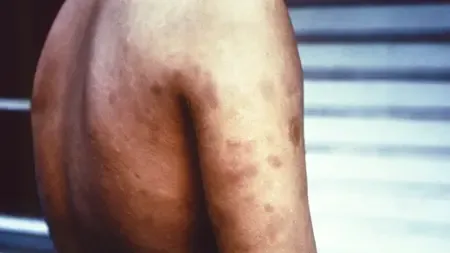
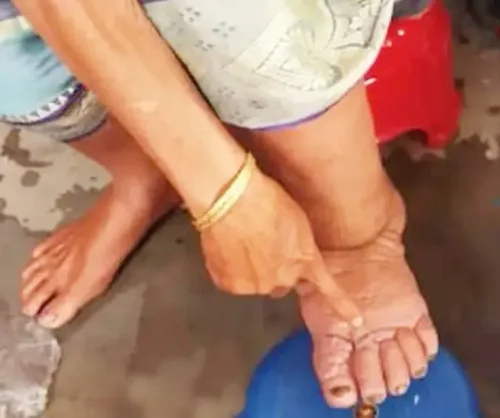
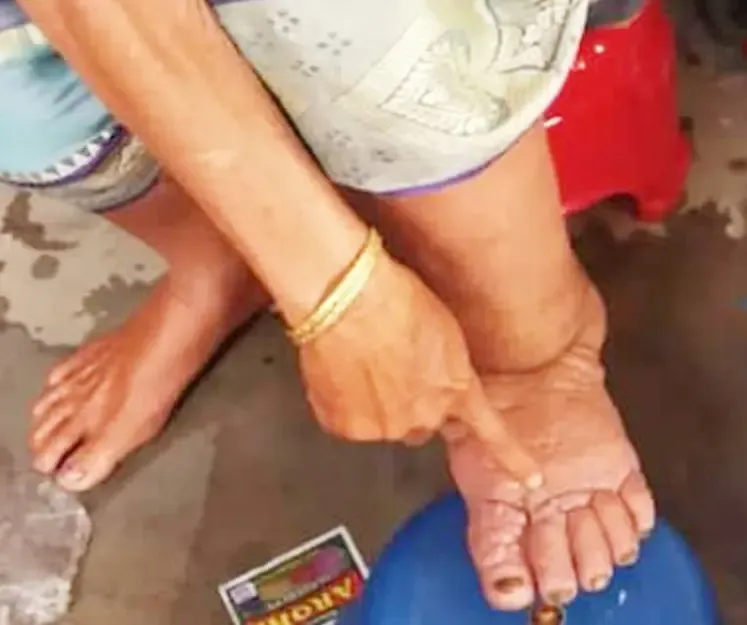
The objective of this campaign is to eradicate elephantiasis, scientifically referred to as lymphatic filariasis, in alignment with the Central Government's national goal to eliminate the disease by 2030.
The MDA efforts will focus on Netrang taluka in Bharuch district, alongside Nandod and Dediapada talukas in Narmada district, and Waghai taluka in Dang district.
It is anticipated that over 5.48 lakh individuals will be reached through this program within the specified four talukas.
Health officials have identified 17 districts in the Saurashtra and South Gujarat regions as particularly vulnerable to filariasis.
As part of monitoring efforts in previously classified non-endemic zones, night blood surveys were conducted across several districts and municipal corporations.
These surveys revealed the presence of filarial parasites in blood samples collected from the four talukas, leading to their inclusion in the MDA program.
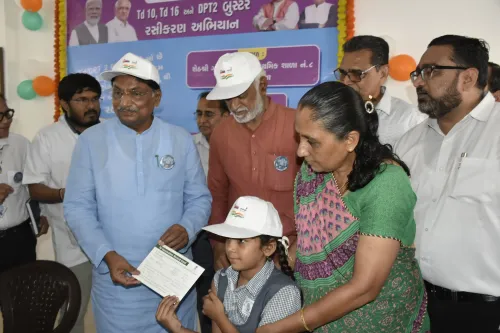
During this campaign, the anti-filarial medications Diethylcarbamazine (DEC) and Albendazole will be administered directly to eligible participants to remove parasites from their systems.
Exemptions from drug administration include children under two years, pregnant women, severely ill individuals, and lactating mothers within one week of delivery.
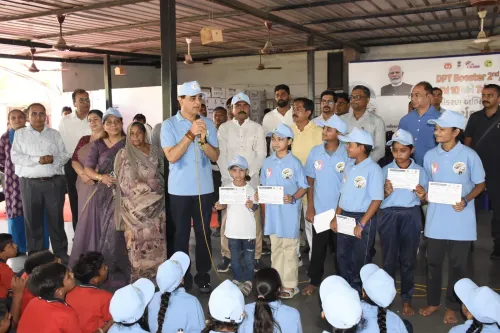
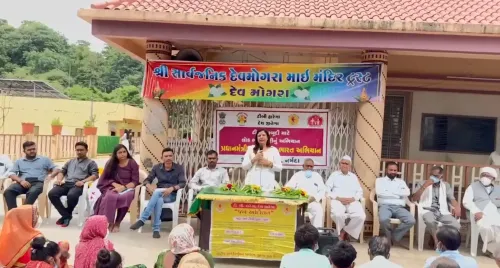
Throughout this three-day initiative, a total of 649 health worker teams will deliver medicines door to door across all households, as well as at 759 anganwadi centres, 742 schools, and 15 colleges in the designated areas.
To ensure comprehensive coverage, follow-up visits will be conducted on February 13 and 14 for any individuals who were overlooked during the initial round.
Additionally, 61 public booths will be established to facilitate the direct administration of drugs.
The Health Department has announced that evaluations will be conducted before, during, and after the campaign by the Preventive and Social Medicine (PSM) departments from three medical colleges to assess the program's effectiveness.
“Our goal is to eliminate filariasis by 2030 through persistent mass drug administration and careful surveillance,” stated officials.
Health teams, ASHA workers, anganwadi personnel, and school teachers have received training for this initiative. The department has called upon local residents to fully cooperate to ensure the campaign's success.
Point of View
I view the Mass Drug Administration initiative in Gujarat as a significant step towards public health improvement. The campaign reflects the government's commitment to combating filariasis, a disease that affects many lives. By mobilizing local resources and community support, this effort demonstrates a proactive approach to eradicating a preventable disease, aligning with national health objectives.
NationPress
22 Sept 2026
Frequently Asked Questions
What is the Mass Drug Administration (MDA) programme?
The MDA programme is an initiative aimed at administering anti-filarial medications to eliminate filariasis, specifically targeting at-risk populations to eradicate the disease.
How many people will be covered in the MDA programme?
Over 5.48 lakh people are expected to participate in the MDA programme across four talukas in Gujarat.
What medications will be provided during the campaign?
The campaign will provide the anti-filarial medications Diethylcarbamazine (DEC) and Albendazole to eligible individuals.
Are there any exclusions for drug administration?
Yes, children under two years, pregnant women, critically ill individuals, and lactating mothers within one week of delivery will not receive the medications.
When will follow-up visits take place?
Follow-up visits are scheduled for February 13 and 14 to ensure that those missed during the initial administration receive the medication.