Hardeep Puri greets Sikhs on Guru Harkrishan Sahib Gurgaddi Diwas
Synopsis
Union Petroleum Minister Hardeep Singh Puri marked Gurgaddi Diwas on November 3, 2026 by extending greetings in Punjabi to Sikh congregations worldwide, invoking the compassionate legacy of the Eighth Sikh Guru, Sri Guru Harkrishan Sahib Ji, installed at age five in 1661.
Key Takeaways
Hardeep Singh Puri , Union Petroleum Minister and senior BJP leader, posted Gurgaddi Diwas greetings in Punjabi on November 3, 2026 .
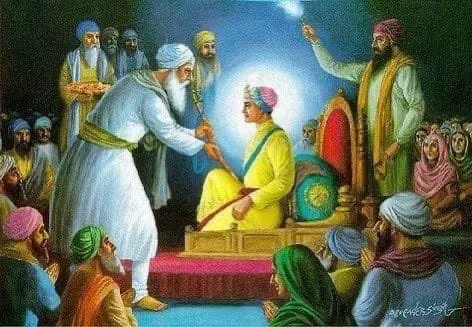
The occasion marks the ascension of Sri Guru Harkrishan Sahib Ji to the Sikh Gurgaddi in 1661 , when he was just five years old.
The Eighth Sikh Guru is revered as 'Bala Pritam' and remembered for serving the sick during a smallpox and cholera outbreak in Delhi .
Puri opened his message with a sacred Sikh verse: 'ਸ੍ਰੀ ਹਰਿਕ੍ਰਿਸ਼ਨ ਧਿਆਈਐ, ਜਿਸ ਡਿਠੈ ਸਭਿ ਦੁਖ ਜਾਇ' — 'Meditate on Sri Harkrishan, whose very sight dispels all suffering.' Senior BJP leaders routinely mark Sikh religious anniversaries, reflecting consistent community outreach especially toward Punjab .
On the auspicious occasion of Gurgaddi Diwas, Union Petroleum Minister Hardeep Singh Puri extended heartfelt greetings to Sikh congregations across India and the world on Tuesday, November 3, 2026, invoking the blessings of the Eighth Sikh Guru, Sri Guru Harkrishan Sahib Ji.
Opening with the revered Sikh verse 'ਸ੍ਰੀ ਹਰਿਕ੍ਰਿਸ਼ਨ ਧਿਆਈਐ, ਜਿਸ ਡਿਠੈ ਸਭਿ ਦੁਖ ਜਾਇ' — 'Meditate on Sri Harkrishan, whose very sight dispels all suffering' — Puri addressed the samuhh sangat (entire congregation), praying that the Guru's blessings reach devotees in every corner of the globe.
Who was Guru Harkrishan Sahib Ji?
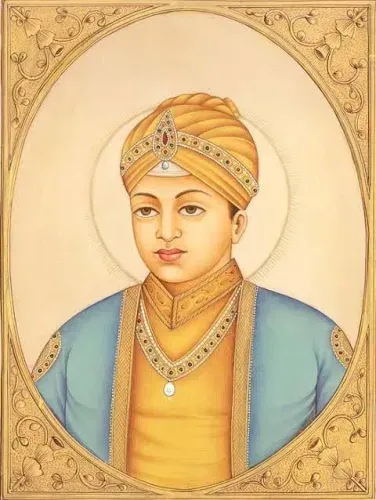
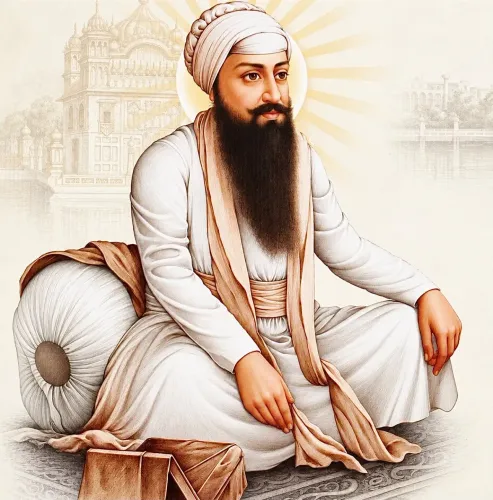
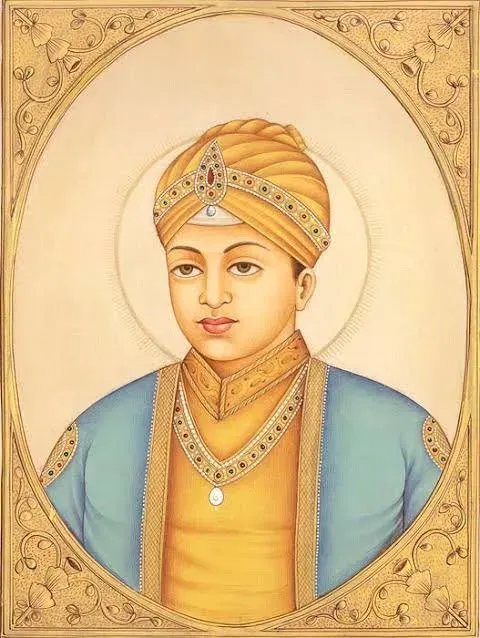
Sri Guru Harkrishan Sahib Ji, the Eighth Guru of Sikhism, was installed on the Gurgaddi (the Guru's throne) in 1661 at the extraordinary age of just five years. Despite his brief life — he passed away in 1664 — he became a towering symbol of compassion and selfless service, widely remembered for tending to the sick during a devastating smallpox and cholera outbreak in Delhi. Sikhs venerate him as 'Bala Pritam,' the beloved child-saint, and the opening verse Puri cited captures the Guru's essence: a presence so luminous that suffering itself recedes.
Puri described him as the 'samuhh sarbatt de dukh door karne wale atthve Satiguru' — the Eighth True Guru who removes the suffering of all humanity — and called upon those divine blessings to reach Sikh communities settled across India and the world.
BJP leaders and Sikh observances: a consistent pattern
Senior BJP leaders, including Union ministers, routinely mark Sikh Gurgaddi Diwas and other religious anniversaries with greetings in Punjabi — a practice that underscores the party's outreach to Sikh communities, particularly with deep roots in Punjab. Puri, a career diplomat turned politician with strong Punjab connections, has consistently participated in such observances, weaving cultural and spiritual acknowledgment into his public communication.
The tradition of Gurgaddi Diwas commemorates the day each Guru formally received the sacred mantle of spiritual leadership — a moment of profound significance in Sikh theology and communal memory. For millions of Sikhs, it is an occasion for prayer, community service, and remembrance of the Guru's teachings on equality and compassion.
As the light of Guru Harkrishan's legacy reaches across centuries, Puri's message carries a simple but enduring wish: that no devotee, anywhere on earth, carries suffering alone.
Point of View
A constituency of significant electoral weight in Punjab and among the diaspora. The choice to open with a Gurbani verse rather than a generic greeting signals depth of engagement, not just calendar-driven optics. For a former career diplomat with Punjab roots now heading a key economic ministry, such posts also reinforce a personal identity narrative. The pattern points to a broader BJP strategy of integrating religious and cultural touchpoints into the public communication of its senior leaders.
NationPress
3 Nov 2026
Frequently Asked Questions
What is Gurgaddi Diwas?
Gurgaddi Diwas commemorates the day a Sikh Guru formally received the sacred mantle of spiritual leadership (the Gurgaddi). For Sri Guru Harkrishan Sahib Ji, this marks his installation as the Eighth Sikh Guru in 1661 at age five.
Who was Sri Guru Harkrishan Sahib Ji?
Sri Guru Harkrishan Sahib Ji was the Eighth Guru of Sikhism, installed in 1661 and revered as 'Bala Pritam' (beloved child-saint). He is remembered for his compassionate service to the sick during a smallpox and cholera outbreak in Delhi before his death in 1664.
What does the verse 'Sri Harkrishan dhiayiye, jis dithai sabh dukh jaaye' mean?
The Punjabi verse means: 'Meditate on Sri Harkrishan, whose very sight dispels all suffering.' It is a revered Sikh invocation celebrating the Eighth Guru's healing and compassionate presence.
Why did Hardeep Singh Puri post about Gurgaddi Diwas?
As a senior BJP leader with Punjab connections, Union Petroleum Minister Hardeep Singh Puri regularly marks Sikh religious occasions, reflecting a consistent pattern of cultural and community outreach by BJP leaders toward the Sikh congregation.
What does Bala Pritam mean in reference to Guru Harkrishan Sahib Ji?
'Bala Pritam' translates to 'beloved child' or 'dearest of children,' a title of endearment given to Guru Harkrishan Sahib Ji who became Guru at the age of five and passed away at eight, leaving a profound legacy of service and spiritual grace.