Haryana CMO Signals Major Strike Against Drug Traffickers
Synopsis
The Chief Minister's Office of Haryana declared a major strike against drug traffickers on 24 October 2026, invoking the national Nasha Mukt Bharat Abhiyan. The announcement positions Haryana — a critical corridor between Punjab and Delhi — as an active front in India's broader narcotics enforcement push.
Key Takeaways
The Chief Minister's Office of Haryana announced a 'big strike' against drug traffickers on 24 October 2026 .
The action was framed under the national #NashaMuktBharat campaign hashtag.
Haryana occupies a strategic position on cross-border drug trafficking routes between Punjab and the national capital.
The Nasha Mukt Bharat Abhiyan , launched in August 2020 , targets 272 of India's most drug-affected districts .
Specific details — seizure volumes, arrests, agency coordination — have not yet been publicly disclosed.
Follow-up coordination with the Narcotics Control Bureau and central agencies remains a key item to watch.
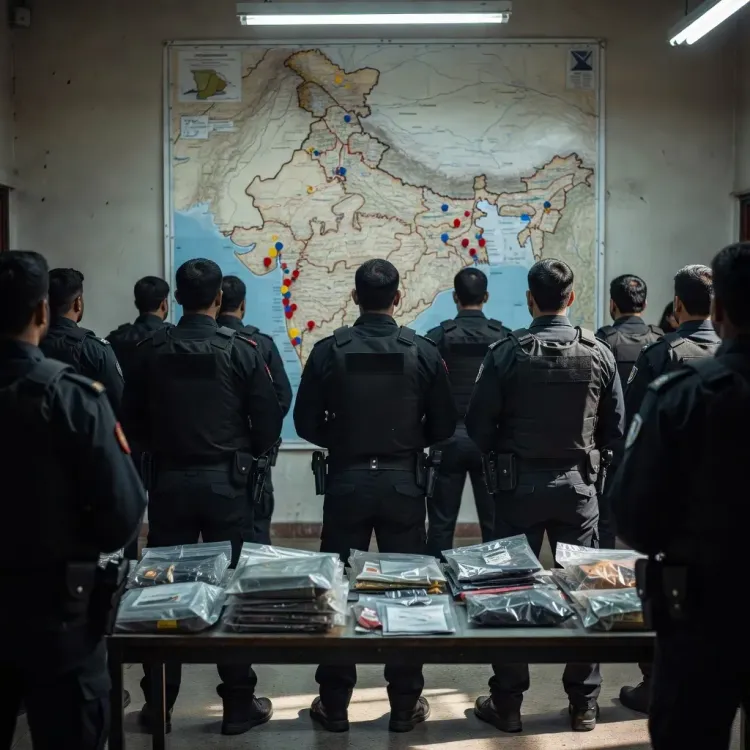
Haryana has launched what its government is calling a major offensive against drug traffickers — a crackdown the Chief Minister's Office framed under the national #NashaMuktBharat campaign, signalling that the state's battle against narcotics networks is entering a sharper phase.
Haryana's drug trafficking challenge — and why a 'big strike' matters here
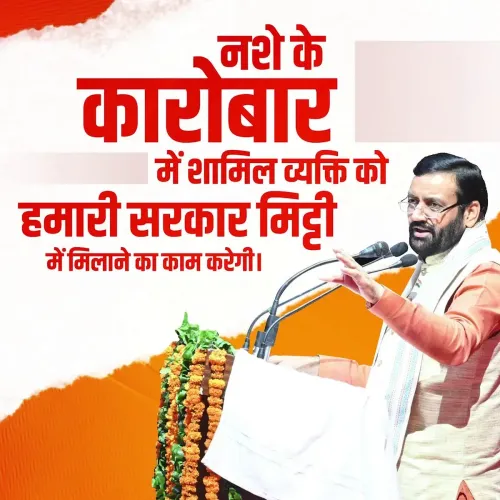
The post — shared by the Chief Minister's Office of Haryana on Saturday, 24 October 2026 — reads: 'Nasha taskaaron par Haryana ka bada prahr' ('A big blow from Haryana against drug traffickers'), accompanied by the national hashtag #NashaMuktBharat. Short on specifics, loud on intent.
That intent lands in a context that is anything but routine. Haryana sits at the pressure point between Punjab — one of India's most trafficker-battered states — and the national capital. Cross-border drug routes that funnel narcotics through the region have drawn state and central enforcement attention for years. A publicised crackdown from Chandigarh is not incidental; it is a signal to networks, communities, and agencies watching from both ends of that corridor.
The national framework backing the state push
The Nasha Mukt Bharat Abhiyan, launched by the Ministry of Social Justice and Empowerment in August 2020, gave states a coordinated umbrella: awareness drives, de-addiction outreach, and enforcement — all targeting 272 of India's most drug-affected districts. Haryana's districts have featured in that vulnerability map, making every state-level action a data point in a much larger national ledger.
The Abhiyan's logic is layered — demand reduction through community engagement, supply disruption through police and Narcotics Control Bureau coordination. A state-level 'big strike' announcement typically sits on the supply-disruption end: seizures, arrests, or the dismantling of trafficking networks. The specifics of Saturday's claim are yet to be detailed publicly.
What comes next for youth and border communities
The highest-stakes audience for any Haryana anti-narcotics push is also the youngest one — the state's youth in border-adjacent districts, where recruitment into trafficking networks tends to shadow economic precarity. Every enforcement action that translates into visible deterrence carries weight beyond the case file.
Haryana's announcement now sets a watch: follow-on details — scale of seizures, number of arrests, whether central agency coordination was involved — will determine whether this was a targeted operation or a broader sweep. The Narcotics Control Bureau and state police coordination machinery will be the ones to watch.
Haryana has drawn a line. The test is always what happens after the headline.
Point of View
The state government aligns itself with the Centre's enforcement narrative, potentially positioning for greater coordination and resources from the Narcotics Control Bureau. The absence of specific operational detail in the initial post is typical of ongoing law-enforcement operations, but it also means the political dividend depends entirely on what follow-up disclosures substantiate. For the ruling dispensation in Chandigarh, a credible drug-bust narrative addresses a pressure point that cuts across party lines in Haryana's voter base — particularly among parents and youth in border-adjacent constituencies.
NationPress
24 Oct 2026
Frequently Asked Questions
What did the Haryana government announce about drug trafficking?
The Chief Minister's Office of Haryana announced a major strike against drug traffickers on 24 October 2026, using the hashtag #NashaMuktBharat, though specific details of the operation have not yet been publicly released.
What is the Nasha Mukt Bharat Abhiyan?
Nasha Mukt Bharat Abhiyan is a national campaign launched by India's Ministry of Social Justice and Empowerment in August 2020, targeting 272 of the country's most drug-affected districts through awareness, de-addiction programmes, and enforcement action.
Why is Haryana significant in India's drug trafficking problem?
Haryana borders Punjab, one of India's most severely drug-affected states, and sits on key transit routes toward Delhi. This geographic position makes it a critical corridor for drug trafficking networks operating in northern India.
Which central agency coordinates with Haryana on drug enforcement?
The Narcotics Control Bureau, India's apex body for drug law enforcement, coordinates with state police departments including Haryana's on joint operations, intelligence sharing, and enforcement under the national anti-narcotics framework.
Has Haryana conducted anti-drug drives before?
Yes. Haryana has periodically announced intensified seizures and awareness drives under the national Nasha Mukt Bharat Abhiyan framework, with state governments in northern India regularly coordinating with central agencies to address cross-border trafficking challenges.