Is the High Cost of Doing Business Crippling Pakistan’s Exporters?
Synopsis
A recent report by the Pakistan Business Forum reveals alarming insights into the high cost of doing business in Pakistan, which is 34% above regional competitors. This situation is jeopardizing the country's exporters, affecting their ability to compete globally. Learn how this impacts the textile sector and the broader economy.
Key Takeaways
Cost of doing business in Pakistan is 34% higher than regional competitors.
Exporters are losing price competitiveness in international markets.
Energy pricing is a major issue for industrial firms.
Tax policy burdens a narrow group of documented businesses.
Over 400 cotton ginning factories have closed, affecting the textile industry.
New Delhi, Feb 3 (NationPress) The Pakistan Business Forum (PBF) has evaluated the cost of conducting business in the nation to be approximately 34% higher than in similar regional economies. This has resulted in Pakistani exporters losing their price competitiveness in global markets, a critical factor for survival, as noted in a report from the Pakistani media.
In a bid to transition towards growth driven by exports, employment, and foreign exchange, this disadvantage is simply untenable. The repercussions for Pakistan’s exporters are already evident. Despite a rebound in global trade across various sectors, exports have stagnated since 2022, as highlighted by the Karachi-based Business Recorder.
The article emphasizes that regional rivals like India, Bangladesh, and Vietnam have increased their market share by maintaining lower cost structures, stable policy frameworks, and predictable operational environments. In contrast, Pakistan has allowed costs to escalate through policy decisions that severely undermine industrial competitiveness.
One of the most detrimental factors is energy pricing. Industrial electricity and gas tariffs are significantly above regional benchmarks. These elevated costs stem from inefficiencies, misguided subsidies, and the ongoing treatment of productive sectors as a means for fiscal extraction rather than fostering economic growth. For firms focused on exports, energy costs directly impact unit expenses, diminishing profit margins and making them less competitive in bids. Buyers do not wait for policy adjustments; they redirect orders to other countries, as lamented in the report.
The taxation policy has further exacerbated the situation. The responsibility of revenue collection disproportionately burdens a small segment of documented businesses. Instead of broadening the tax base and eliminating distortions, the policy has leaned on higher effective rates, withholding mechanisms, and indirect taxes that inflate costs throughout the supply chain. This strategy penalizes formal production and undermines competitiveness while failing to address structural leakages, as pointed out in the article.
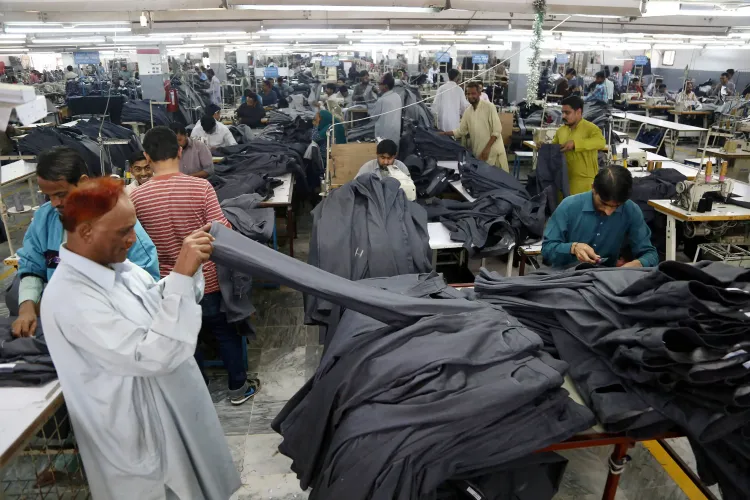
This policy failure is glaringly evident in the cotton sector. Cotton is the backbone of Pakistan’s textile industry, which is the largest exporter and a vital source of rural income. However, over 400 cotton ginning factories have shut down, disrupting the entire value chain, according to the report.
As a result, farmers are facing diminished demand and lower profits, ginners have been forced out of business, and textile manufacturers are increasingly dependent on imported cotton, further straining foreign exchange reserves. This scenario is unsustainable, and all relevant authorities are aware of it. Yet, despite all the discussions, there remains a lack of concrete action on the ground to provide any hope, the article concluded.
Point of View
It is crucial to recognize that while the high cost of doing business in Pakistan poses significant challenges, it is imperative for the nation to advocate for policy reforms. Addressing these issues is essential for the long-term sustainability of our economy, particularly for our exporters who are the lifeblood of growth and foreign exchange.
NationPress
22 Sept 2026
Frequently Asked Questions
What factors contribute to the high cost of doing business in Pakistan?
Key factors include high energy prices, inefficient tax policies, and a lack of stable policy frameworks, which together undermine the competitiveness of Pakistani exporters.
How does the high cost of doing business affect exporters?
Exporters face increased unit costs, which erode their profit margins and diminish their competitiveness in international markets.
What impact has this situation had on the textile sector?
The textile sector has experienced significant disruptions, with over 400 cotton ginning factories closing, leading to reduced demand for cotton and increased reliance on imports.
Are there any proposed solutions to these issues?
Reforming energy pricing, broadening the tax base, and stabilizing policy frameworks are essential steps for enhancing competitiveness and supporting exporters.
What should authorities do to address these challenges?
Authorities need to implement concrete policy changes that promote industrial growth, reduce costs, and improve the overall business environment.