CM Himanta Marks Oct 7, 2001: The Day Modi Became Gujarat CM

Synopsis
Assam CM Himanta Biswa Sarma marks the 25th anniversary of Narendra Modi's swearing-in as Gujarat Chief Minister on October 7, 2001, sharing a video and calling the day a watershed moment that changed the trajectory of Gujarat and India.
Key Takeaways
October 7, 2001 marks the day Narendra Modi was sworn in as Gujarat Chief Minister , an anniversary Sarma calls a watershed in Indian politics.
Assam CM Himanta Biswa Sarma posted a video on X on October 7, 2026 — the exact 25th anniversary — to commemorate the event.
Modi had no prior elected office experience when he was appointed Gujarat CM, succeeding Keshubhai Patel after the latter stepped down.
Modi served as Gujarat CM for over 12 years before becoming Prime Minister of India in May 2014 .
Sarma, convenor of the North-East Democratic Alliance (NEDA) , has consistently championed Modi's governance record as a template for BJP-ruled states.
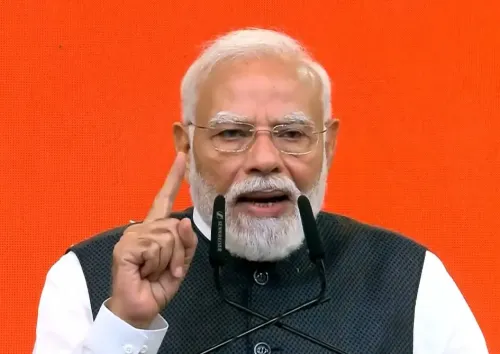
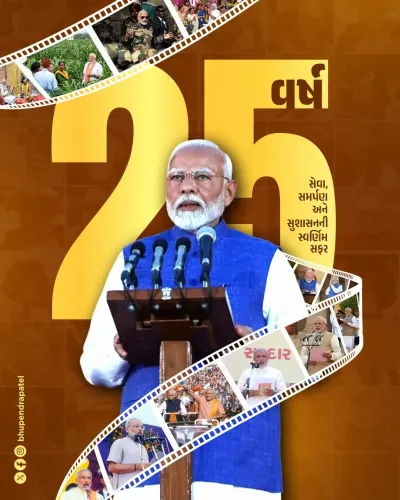
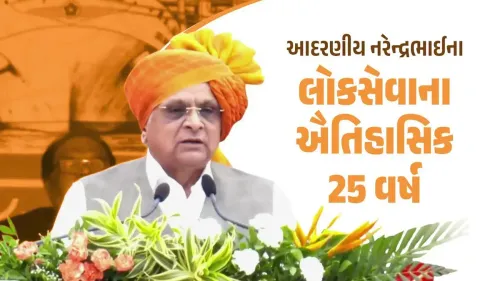
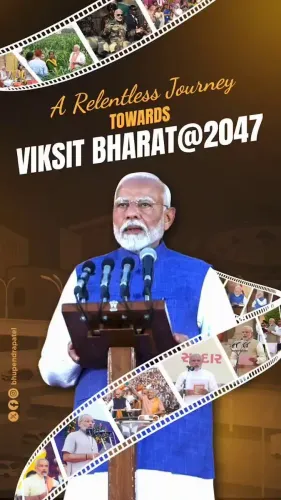
Twenty-five years ago today, a little-known RSS pracharak walked into the Gujarat Chief Minister's office and quietly reset the political clock — not just for the state, but, as Assam Chief Minister Himanta Biswa Sarma argues, for India itself. On Wednesday, October 7, 2026, Sarma took to X to mark the silver jubilee of the moment Narendra Modi was sworn in as Gujarat Chief Minister on October 7, 2001, calling it 'a watershed moment in Indian politics which changed the trajectory of Gujarat and Bharat.'
The day Modi stepped into Gandhinagar's top chair
Narendra Modi was appointed Gujarat Chief Minister on October 7, 2001, succeeding Keshubhai Patel, who had stepped down amid poor health and the party's setback in by-elections following the devastating Bhuj earthquake of January 2001. Modi had never held elected office before that appointment — he came directly from organisational work as a BJP general secretary. His swearing-in marked one of the more unconventional entries to a state's top post in modern Indian political history.
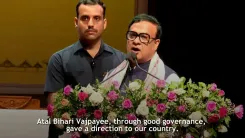
Sarma's post, accompanied by a video, poses the question of 'what actually transpired on that day and how did Adarniya [Respected] Narendra Modi ji began his tenure on Day 1' — framing the anniversary as a teachable political moment worth revisiting a quarter-century on.
Why 2001 reads as a turning point
Modi would go on to serve as Gujarat Chief Minister for over 12 years — until May 2014, when he became Prime Minister of India. Supporters credit his tenure with building the so-called 'Gujarat model' of governance, centred on infrastructure investment, ease of doing business, and aggressive investor outreach through the Vibrant Gujarat summits. Critics point to the communal violence of 2002 and its aftermath as an equally defining chapter of those years.
Sarma, a former Congress leader who crossed over to the BJP in 2015 and rose to become Assam Chief Minister in 2021, has been among the most vocal advocates of Modi's political legacy within the party. His post lands on the exact 25th anniversary of the event, lending it the character of a deliberate, curated commemoration rather than an offhand reflection.
Sarma's role as keeper of the BJP's Northeast narrative
As convenor of the North-East Democratic Alliance (NEDA), Sarma occupies a dual role: state executive and regional coalition manager. Marking a Modi milestone publicly is consistent with his established pattern of positioning himself — and the Northeast — firmly within the broader BJP ideological current. The post is targeted at a national audience, invoking Gujarat's transformation as a template the wider party holds up as proof of concept.
The silver jubilee framing invites voters and party workers to draw a straight line from Gandhinagar, 2001 to New Delhi, 2014 and beyond — a narrative arc the BJP has long cultivated ahead of electoral cycles.
Point of View
Not just biographical luck. For Sarma personally, publicly tending to the Modi origin story cements his standing as a trusted lieutenant within the party's national hierarchy. The video format — designed for wider reach than text — suggests the post is meant to travel beyond his immediate follower base and into party WhatsApp ecosystems ahead of any future electoral mobilisation.
NationPress
7 Oct 2026
Frequently Asked Questions
When did Narendra Modi become Gujarat Chief Minister?
Narendra Modi was sworn in as Gujarat Chief Minister on October 7, 2001 , succeeding Keshubhai Patel who stepped down amid health issues and electoral setbacks.
Why is October 7, 2001 called a watershed moment in Indian politics?
October 7, 2001 is called a watershed because it marked Narendra Modi's entry into elected governance — a starting point that led to over 12 years as Gujarat CM and eventually to his becoming Prime Minister of India in 2014.
Why did Himanta Biswa Sarma post about Modi's Gujarat anniversary?
Sarma posted to mark the 25th anniversary of Modi's swearing-in as Gujarat CM, sharing a video that revisits the events of that day and framing it as a defining moment for both Gujarat and India.
Who was Gujarat CM before Narendra Modi?
Keshubhai Patel was Gujarat Chief Minister before Narendra Modi. He stepped down in October 2001 due to poor health and the BJP's poor performance in by-elections held in the aftermath of the Bhuj earthquake.
What is NEDA and what is Himanta Biswa Sarma's role in it?
NEDA stands for the North-East Democratic Alliance, a BJP-led political coalition of parties in India's Northeast. Himanta Biswa Sarma serves as its convenor, making him the primary coalition manager for the BJP across the region.