CM Himanta Orders Restoration of 12 Flood-Hit Heritage Sites
Synopsis
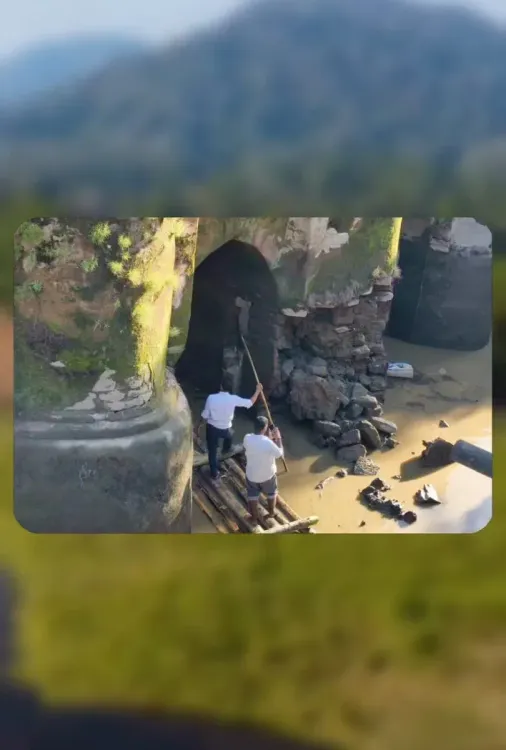
Assam Chief Minister Himanta Biswa Sarma has announced the restoration of 12 flood-damaged archaeological sites in Sivasagar and Charaideo — home to Ahom-era palaces, temples, and royal burial mounds — framing heritage revival as a core pillar of the state's flood-response effort.
Key Takeaways
12 archaeological sites in flood-hit Sivasagar and Charaideo districts are under active restoration.
Sivasagar houses the Ahom-era Sivadol temple complex , Rang Ghar , and Kareng Ghar palace.
Charaideo contains the royal maidams (burial mounds) of Ahom kings, a site with UNESCO heritage-listing ambitions.
CM Sarma has explicitly placed heritage restoration under the #AssamFloodResponse framework, not a separate cultural programme.
State and central agencies including the Archaeological Survey of India have a prior track record of conservation work in this belt.
Progress on the 12 sites and future flood-resilient heritage infrastructure remain the key developments to watch.
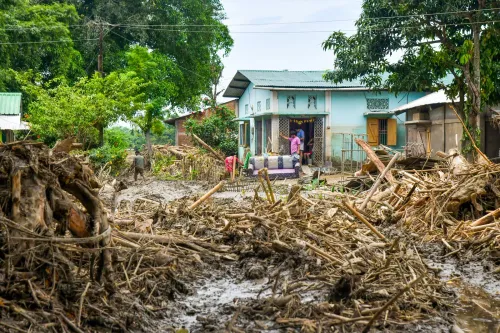
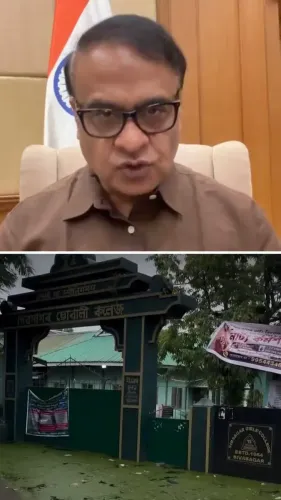
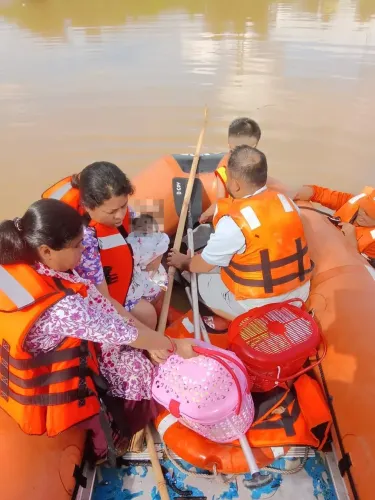
When the Brahmaputra rises each monsoon, it does not just swallow paddy fields and village roads — it laps at the walls of palaces built by kings who ruled Assam for six centuries. Assam Chief Minister Himanta Biswa Sarma announced on Friday, August 14, 2026, that 12 archaeological sites in the flood-affected districts of Sivasagar and Charaideo are now under active restoration, framing the effort as inseparable from the broader flood-relief mission.
What the floodwaters threaten in Sivasagar and Charaideo
Sivasagar is the heartland of Ahom civilisation — home to the Sivadol temple complex, the Rang Ghar amphitheatre, and the Kareng Ghar royal palace, monuments that date back to the height of Ahom power in the 17th and 18th centuries. Neighbouring Charaideo holds the royal maidams — the burial mounds of Ahom kings — a site of such singular archaeological value that it has been pursued for UNESCO World Heritage recognition. Both districts sit in the upper Brahmaputra valley, precisely the corridor that annual flooding hits hardest.
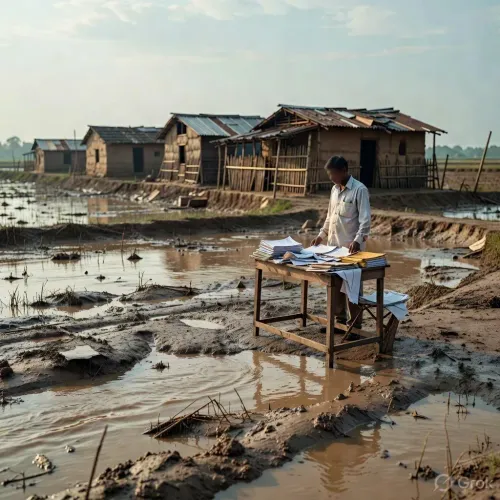
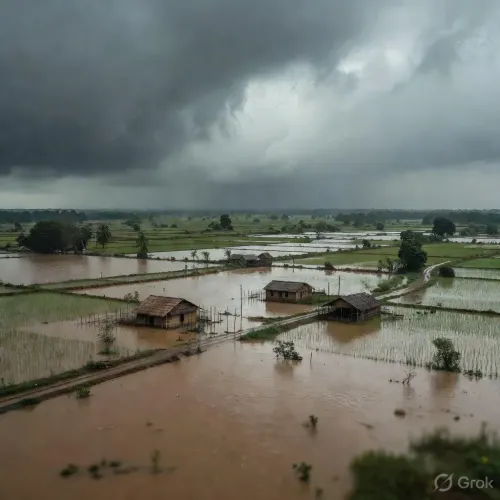
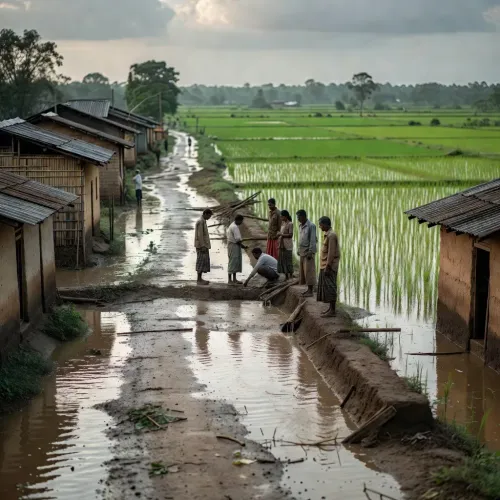
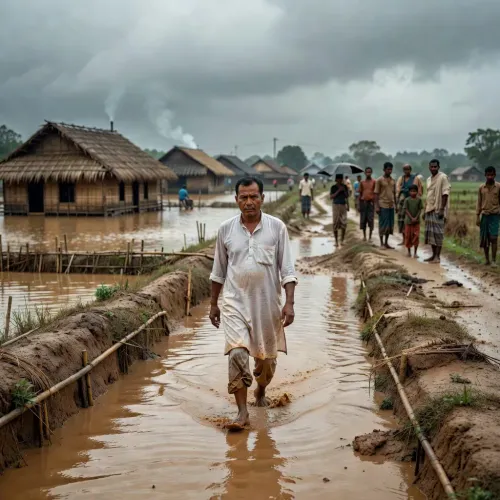
The threat is not hypothetical. Repeated inundation weakens foundations, erodes earthen mounds, and accelerates the decay of centuries-old masonry. For sites that survived Mughal invasions and colonial neglect, the annual monsoon has become the most persistent adversary.
Restoration as part of flood response, not an afterthought
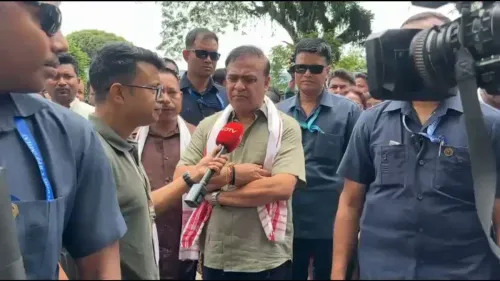
CM Sarma's framing is deliberate: 'Assam Flood Response is not just about rebuilding livelihoods, but also reviving our heritage.' By placing the 12-site restoration drive under the umbrella of #AssamFloodResponse, the state signals that cultural infrastructure is being treated with the same urgency as roads, embankments, and homes. State and central conservation agencies, including the Archaeological Survey of India, have periodically worked on Ahom monuments in this belt since the early 2000s, but integrating that work into a live disaster-response cycle is a more deliberate step.
Successive Assam governments have tried to link heritage protection with flood relief, recognising that these sites also anchor the region's tourism economy. The restoration of a maidan or a temple complex is, in that sense, also the restoration of a revenue stream for local communities.
What comes next for the 12 sites
The immediate question is pace and scope. Progress reports on all 12 sites will be closely watched, as will any subsequent state budget allocations or ASI project announcements aimed at building flood-resilient infrastructure around these monuments. The Charaideo maidams, in particular, carry international scrutiny given their heritage-listing ambitions — any visible restoration effort there carries weight well beyond Assam's borders.
For now, as the floodwaters recede from upper Assam, the scaffolding going up around these ancient stones tells a story the chief minister wants told: that recovery, here, means remembering who you are.
Point of View
CM Sarma is making a politically astute move: it elevates the cultural identity of the Ahom heartland — a powerful symbol for Assam's dominant community — while also demonstrating administrative seriousness beyond routine relief operations. The framing reflects a broader BJP-era tendency to intertwine civilisational heritage with governance optics. The real test will be whether the 12-site restoration produces durable, flood-resilient outcomes or remains a communication exercise; the Charaideo maidams' UNESCO candidacy gives this announcement international stakes that will not fade with the monsoon.
NationPress
29 Sept 2026
Frequently Asked Questions
Which archaeological sites in Assam are affected by floods?
The districts of Sivasagar and Charaideo in upper Assam are most affected. Sivasagar is home to the Sivadol temple complex, Rang Ghar, and Kareng Ghar palace, while Charaideo contains the royal maidams — burial mounds of Ahom kings.
What is the Charaideo maidan and why is it important?
The Charaideo maidams are the royal burial mounds of Ahom kings located in Charaideo district, Assam. They are considered among the most significant Ahom-era archaeological sites and have been pursued for UNESCO World Heritage status.
How many heritage sites is Assam restoring after the 2026 floods?
Assam Chief Minister Himanta Biswa Sarma announced that 12 flood-affected archaeological sites in Sivasagar and Charaideo are currently under restoration.
What is the Assam government's approach to flood response and heritage?
The Assam government has integrated heritage site restoration into its flood-response framework, treating the revival of archaeological monuments as equally important to rebuilding homes and livelihoods.
What Ahom monuments are at risk from Assam floods?
Key Ahom-era monuments at risk include the Sivadol temple complex, Rang Ghar amphitheatre, and Kareng Ghar palace in Sivasagar, and the royal maidams in Charaideo — all vulnerable to annual Brahmaputra valley flooding.