CM Himanta Chairs High-Level Assam Flood Review Meet
Synopsis
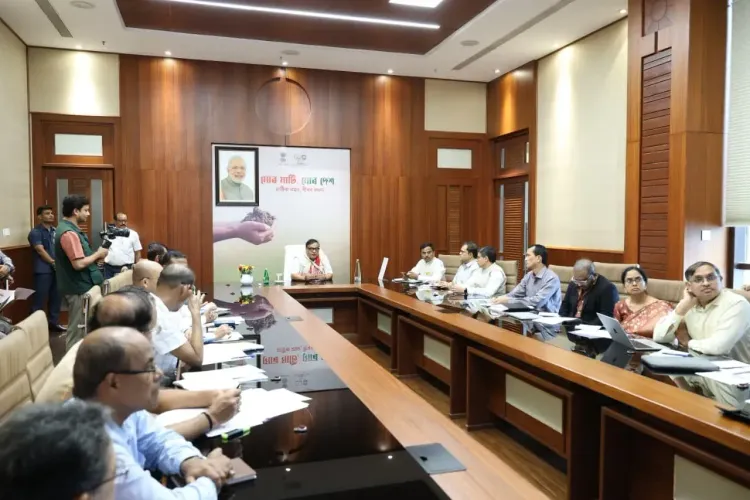
Chief Minister Himanta Biswa Sarma chaired a high-level flood review on 28 July 2026, bringing together ministers, MLAs, District Commissioners, and senior officials to assess Assam's monsoon flood situation and coordinate ongoing relief and rehabilitation efforts.
Key Takeaways
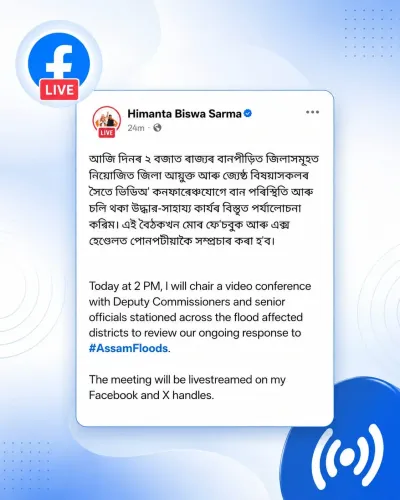
Himanta Biswa Sarma chaired a flood review meeting on 28 July 2026 .
The meeting included Cabinet Ministers, MLAs, District Commissioners, and senior officials .
The agenda covered both the prevailing flood situation and ongoing relief and rehabilitation measures .
Assam faces annual monsoon flooding driven by the Brahmaputra river and its tributaries.
District Commissioners were included to tighten the link between state-level direction and ground-level execution.
Key indicators to watch include relief camp operations, compensation disbursal, and any new flood-control project announcements.
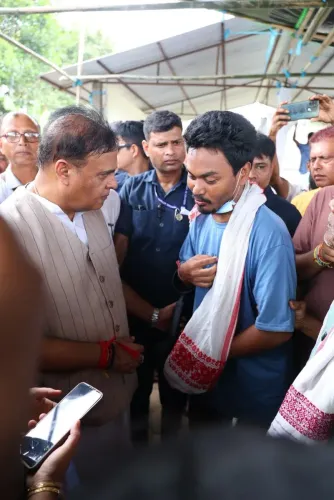
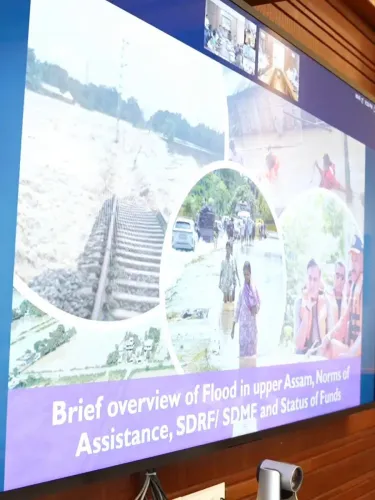
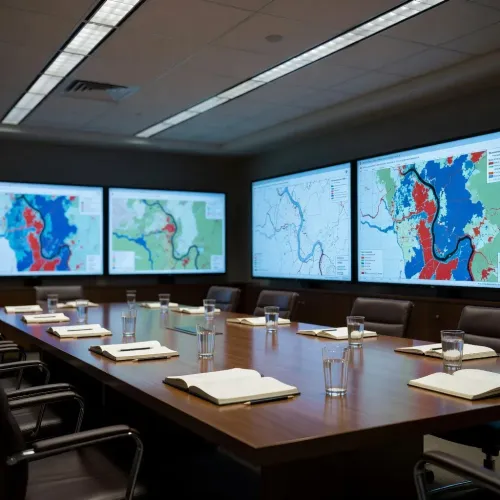
Monsoon has once again brought Assam to the edge. On Tuesday, 28 July 2026, Chief Minister Dr. Himanta Biswa Sarma chaired a high-level review meeting to take stock of the flood situation gripping the state — pulling together Cabinet Ministers, MLAs, District Commissioners, and senior officials into a single room to assess the damage and drive relief operations on the ground.
The Chief Minister's Office confirmed that the meeting covered both the prevailing flood situation across Assam and the ongoing relief and rehabilitation measures being rolled out at the district level. The format — ministers, elected representatives, and administrative heads in one room — is designed to collapse the gap between political accountability and on-ground execution.
The Brahmaputra's Annual Reckoning
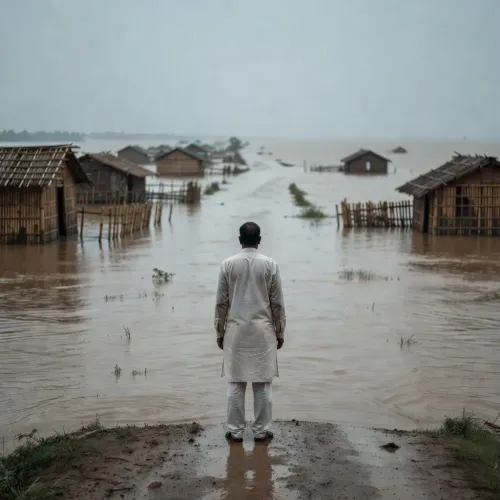
For Assam, flooding is not a crisis that arrives unannounced. The Brahmaputra river and its tributaries swell every monsoon season with near-clockwork regularity, inundating farmland, displacing communities, and straining district administrations across the state. The human cost accumulates quietly — crops lost, homes submerged, livestock washed away — before it registers in the kind of numbers that demand a chief ministerial response. Assam governments have convened similar high-level review meetings each monsoon for decades. What the meetings are meant to do is prevent the predictable from becoming catastrophic: coordinating relief camp operations, ensuring compensation reaches affected families, and tracking embankment and drainage works that determine how quickly floodwaters recede.District Commissioners in the Room: Why It Matters
The deliberate inclusion of District Commissioners alongside ministers and MLAs is a structural choice with practical logic. Flood relief in Assam is ultimately executed at the district level — it is the DC who authorises relief camps, coordinates NDRF deployments, and certifies crop-damage assessments that unlock compensation. When the Chief Minister chairs a meeting with DCs present, the chain of command shortens and the pressure to perform sharpens. Dr. Himanta Biswa Sarma, who has led the state since May 2021, has made high-visibility disaster coordination a consistent feature of his administration's monsoon playbook. The review format signals intent: that relief is being monitored at the top, not delegated into bureaucratic silence. In the weeks ahead, the state's response will be measured by how quickly relief camps are operationalised, how swiftly compensation is disbursed, and whether any new flood-control infrastructure announcements follow from this meeting. Assam's flood season is far from over — and the room that met today knows it.Point of View
Legislators, and district executives in one room — reflects a governance model that prioritises visible, top-down accountability during predictable crises. For Himanta Biswa Sarma, monsoon flood coordination has become a recurring test of administrative grip, one that plays directly into the state government's credibility with rural and riverine constituencies most exposed to annual displacement. The inclusion of District Commissioners signals an attempt to compress the bureaucratic chain at a moment when speed of relief delivery matters most. Whether the meeting translates into measurable improvements in compensation disbursal and camp management will define how this monsoon season is remembered politically.
NationPress
26 Oct 2026
Frequently Asked Questions
Why did CM Himanta Biswa Sarma call a flood review meeting on 28 July 2026?
CM Himanta Biswa Sarma chaired the meeting to assess the current flood situation in Assam and review the status of ongoing relief and rehabilitation measures being implemented across affected districts.
Who attended the Assam flood review meeting?
The meeting was attended by Cabinet Ministers, MLAs, District Commissioners, and senior state officials, bringing together political and administrative leadership in one forum.
Which river causes most of Assam's annual flooding?
The Brahmaputra river and its tributaries are the primary cause of Assam's recurring monsoon floods, which affect large parts of the state each year.
What relief measures are being taken for Assam flood victims in 2026?
The state government is coordinating relief and rehabilitation measures at the district level; specific details of ongoing operations were reviewed at the 28 July meeting, though full outcomes have not yet been publicly disclosed.
How often does Assam hold flood review meetings during monsoon season?
Assam governments have convened high-level flood review meetings every monsoon season for decades, typically involving the Chief Minister, ministers, and district officials to coordinate the state's disaster response.