CM Himanta Reviews Assam Floods Relief as Teams Reach Remote Areas
Synopsis
Assam Chief Minister Himanta Biswa Sarma on 26 July 2026 said rescue teams are reaching deeper into inaccessible flood-hit areas as connectivity restores, with relief operations accelerating across the state during the annual monsoon flood crisis.
Key Takeaways
CM Himanta Biswa Sarma confirmed on 26 July 2026 that rescue teams are penetrating inaccessible flood-affected areas in Assam .
Relief operations are accelerating as road and communication connectivity is gradually restored across flood-hit zones.
The Chief Minister publicly commended rescue and relief personnel for their 'relentless efforts' during the ongoing crisis.
The update was shared with an accompanying video showing on-ground relief activity.
Assam faces annual monsoon flooding from the Brahmaputra River and its tributaries, displacing large populations each year.
Restoration of road and bridge connectivity in affected districts remains the critical next milestone for full relief delivery.
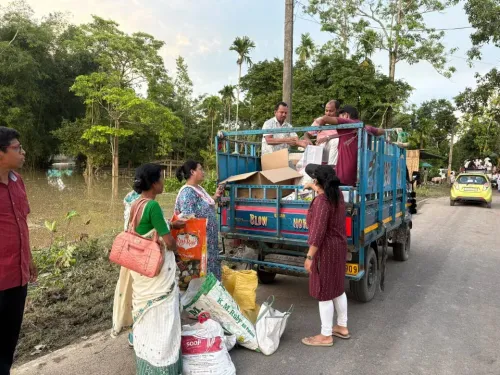
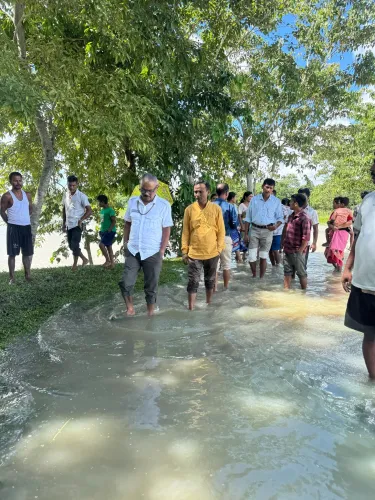
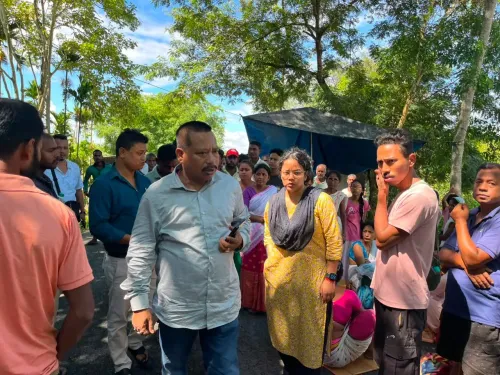
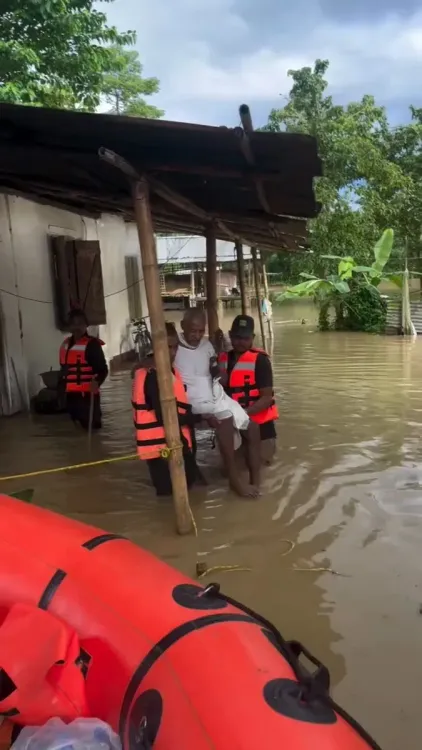
Assam Chief Minister Himanta Biswa Sarma on Sunday, 26 July 2026, said rescue and relief teams are penetrating deeper into inaccessible areas affected by the ongoing #AssamFloods, delivering essential supplies and evacuating residents to safety as connectivity across flood-hit zones gradually restores.
Context
In his post, CM Sarma stated that relief operations are 'moving faster' as road and communication links are being restored, and offered a public commendation to rescue personnel for their 'relentless efforts.' The update signals that the flood crisis, while still active, has entered a phase where the state machinery is gaining operational ground.
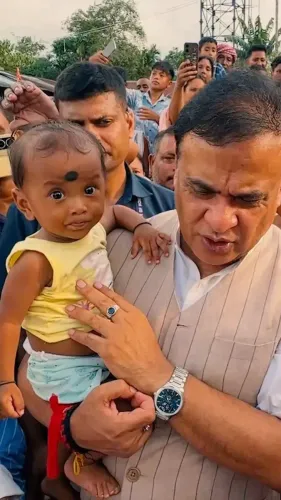
The post was accompanied by a video, which the Chief Minister shared to illustrate the on-ground relief activity, giving citizens a direct window into the scale of the response.
Policy Backdrop
Assam is one of India's most flood-prone states, battered every monsoon season by the Brahmaputra River and its tributaries. The annual cycle of inundation displaces hundreds of thousands of residents, damages standing crops, and cuts off villages for days or weeks at a stretch.
Flood relief and rescue in Assam operates under the framework of the Disaster Management Act, 2005, which established the National Disaster Management Authority (NDMA) and corresponding state-level bodies to coordinate rescue, relief, and rehabilitation. Successive state governments have combined immediate emergency response with longer-term investments in embankments, drainage channels, and early-warning systems.
Stakeholders and Impact
The most immediate stakeholders are the flood-affected residents stranded in low-lying and geographically isolated districts, for whom the restoration of connectivity directly determines access to food, medicine, and evacuation. Rescue and relief teams — drawn from state disaster response forces, district administrations, and allied agencies — are the operational backbone of the response.
The Chief Minister's public acknowledgement of their work carries institutional weight, reinforcing morale during what is typically a prolonged and physically demanding deployment. For communities cut off by damaged roads and bridges, even partial restoration of access routes can be the difference between continued distress and timely relief.
What's Next
The critical near-term markers will be the speed at which road and bridge connectivity is fully restored across affected districts, and whether the state or central government announces dedicated funding for flood mitigation infrastructure following this season's damage assessment. CM Sarma, as convenor of the North-East Democratic Alliance (NEDA), is also positioned to channel central-state coordination for Northeast-specific disaster response resources.
As the monsoon season continues through August and September, Assam's administration will likely face further pressure on relief logistics, making the current operational gains a foundation — rather than a conclusion — of the flood response effort.
Point of View
Projecting administrative control even as operations remain ongoing. The emphasis on connectivity restoration as an operational enabler reflects a matured understanding that logistics, not just manpower, determine relief effectiveness in Assam's geographically fragmented terrain. The post also subtly sets the stage for future announcements on infrastructure investment, framing current efforts as proof of the state's commitment to flood-affected communities.
NationPress
25 Oct 2026
Frequently Asked Questions
What is the current status of Assam floods relief operations in 2026?
As of 26 July 2026 , Assam CM Himanta Biswa Sarma stated that rescue and relief teams are reaching deeper into inaccessible areas and operations are accelerating as connectivity is being restored.
Which river causes flooding in Assam every year?
The Brahmaputra River and its tributaries are the primary cause of annual monsoon flooding in Assam , inundating low-lying districts and cutting off villages each year.
What law governs flood disaster response in India?
The Disaster Management Act, 2005 governs flood relief and rescue in India, establishing the National Disaster Management Authority (NDMA) and state-level bodies for coordinated disaster response.
Who is Himanta Biswa Sarma?
Himanta Biswa Sarma is the Chief Minister of Assam and a senior BJP leader. He also serves as the convenor of the North-East Democratic Alliance (NEDA) , a coalition of regional parties in Northeast India.
Why does Assam flood every year?
Assam floods annually due to heavy monsoon rainfall that swells the Brahmaputra River and its tributaries beyond their banks, compounded by the state's low-lying topography and limited drainage infrastructure.