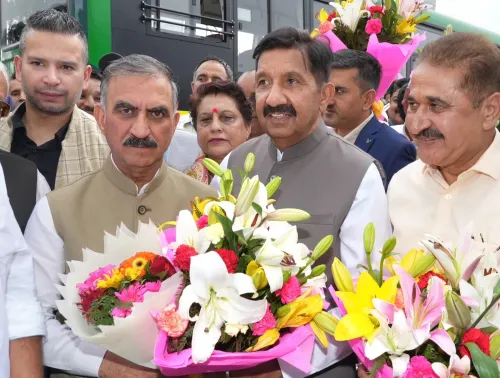
HP CM Office flags off buses after new HRTC workshop inauguration
Synopsis
The Chief Minister's Office of Himachal Pradesh flagged off buses for public service on 17 June 2026 after inspecting a newly constructed HRTC workshop. The move is part of the state's ongoing drive to modernise and strengthen its public transport network across the state's mountainous terrain.
Key Takeaways
The Chief Minister's Office of Himachal Pradesh flagged off buses for public service on 17 June 2026 following an inspection of a newly built workshop.
The new workshop is part of the state's transport modernisation programme aimed at making the HRTC fleet more reliable and modern.
The Himachal Pradesh government approved fleet augmentation and workshop upgrades for HRTC under a modernisation programme initiated in 2023 .
Daily commuters and rural residents in Himachal Pradesh are the primary beneficiaries of improved bus maintenance infrastructure.
Future focus areas include procurement of additional buses and possible induction of electric or BS-VI compliant vehicles into the HRTC fleet.
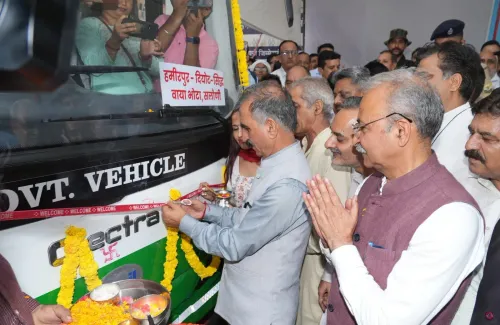
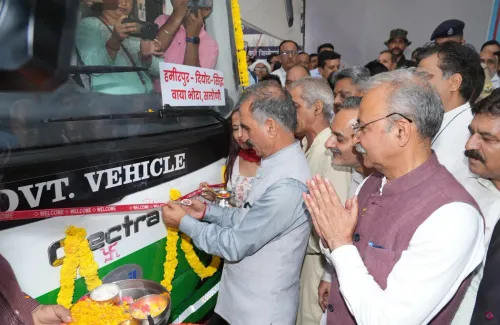
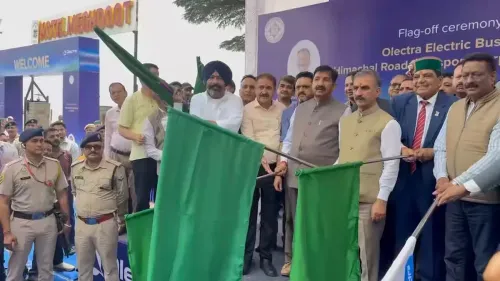
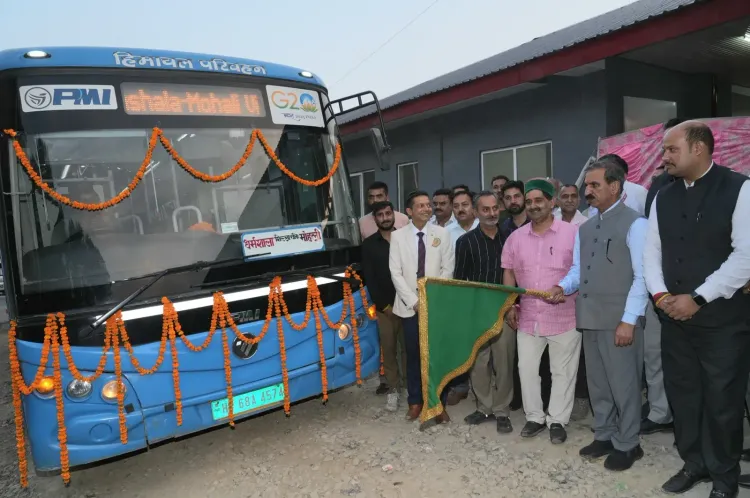
The Chief Minister's Office of Himachal Pradesh announced on Wednesday, 17 June 2026 that buses were flagged off for public service following an inspection of a newly constructed workshop, marking a fresh step in the state's ongoing effort to modernise its public transport network.
The official post stated: 'Aaj navnirmit workshop ka avlokan karne ke baad bason ko hari jhandi dikhakar janseva ke liye ravana kiya' — 'Today, after inspecting the newly constructed workshop, buses were flagged off for public service.' The announcement described the move as part of 'continuous efforts to make the transport system modern and reliable.'
Context
The Himachal Pradesh Road Transport Corporation (HRTC) is the state-owned body responsible for bus connectivity across Himachal Pradesh's mountainous terrain, serving daily commuters, students, and rural residents who depend heavily on public transport in areas where road conditions make private vehicle access difficult. The flagging off of buses from a newly built workshop signals an operational upgrade to the maintenance infrastructure that keeps the fleet running.
Workshop facilities are critical to HRTC's functioning — well-equipped maintenance centres reduce vehicle downtime, extend bus life, and improve service reliability on high-altitude routes where breakdowns carry serious safety consequences.
Policy Backdrop
In 2023, the Himachal Pradesh government approved fleet augmentation and workshop upgrades for HRTC under its transport modernisation programme, laying the groundwork for the infrastructure now being commissioned. Chief Minister Sukhvinder Singh Sukhu has positioned public transport improvement as a key governance priority, particularly for rural and semi-urban connectivity.
Across India's Himalayan states, governments have increasingly recognised that upgrading maintenance infrastructure — not just purchasing new buses — is essential to sustaining reliable services in challenging terrain. The construction of a new workshop fits within this broader regional pattern of backend investment in public transport.
Stakeholders and Impact
The most direct beneficiaries are daily commuters and rural residents who rely on HRTC buses as their primary mode of transport. A more robust maintenance facility is expected to reduce service disruptions and improve punctuality on routes connecting remote villages to district headquarters and urban centres.
HRTC staff — including mechanics, drivers, and administrative personnel — also stand to benefit from modernised workshop infrastructure that provides better working conditions and tools. Improved fleet reliability can also ease pressure on the state's road network by encouraging a shift away from private vehicles.
What's Next
Attention will now turn to state budget allocations for additional bus procurement and the potential induction of electric or BS-VI compliant vehicles into the HRTC fleet, both of which have been flagged as priorities for Himachal Pradesh's transport modernisation agenda. The commissioning of the new workshop could serve as a maintenance backbone for any future fleet expansion.
Stakeholders and transport policy observers will watch whether this investment translates into measurable improvements in route coverage and service frequency, particularly on routes serving Himachal Pradesh's more remote communities.
Point of View
' the Chief Minister's Office is framing this as part of a sustained policy arc rather than a one-off event. For a state where terrain makes public transport a lifeline rather than a convenience, investment in workshop capacity carries real governance weight. The move also sets a visible benchmark ahead of budget discussions on electric vehicle induction and fleet expansion for HRTC.
NationPress
16 Sept 2026
Frequently Asked Questions
What is the new HRTC workshop inaugurated in Himachal Pradesh?
The Chief Minister's Office of Himachal Pradesh announced the commissioning of a newly constructed workshop for the Himachal Pradesh Road Transport Corporation (HRTC), designed to improve bus maintenance and fleet reliability across the state.
Who flagged off the HRTC buses on 17 June 2026?
The flagging off of buses for public service was carried out by the Chief Minister's Office of Himachal Pradesh on 17 June 2026, following an inspection of the newly built workshop.
Why is HRTC workshop modernisation important for Himachal Pradesh?
HRTC serves as a critical lifeline for daily commuters and rural residents in Himachal Pradesh's mountainous terrain. Modern workshop facilities reduce vehicle downtime and improve service reliability on high-altitude routes where breakdowns pose serious safety risks.
What is Himachal Pradesh's transport modernisation programme?
In 2023, the Himachal Pradesh government approved a transport modernisation programme for HRTC that includes fleet augmentation and workshop upgrades, aimed at improving public bus services across the state.
Will HRTC get electric buses in Himachal Pradesh?
The possible induction of electric or BS-VI compliant vehicles into the HRTC fleet has been identified as a priority area to watch, with state budget allocations for additional bus procurement expected to determine the pace of any such expansion.