CM Sukhu Reaffirms Govt Push for Better Transport in HP
Synopsis
Chief Minister Sukhvinder Singh Sukhu has reaffirmed his government's commitment to better transport for Himachal Pradesh residents. The statement, posted by the CMO on 17 June 2026, underscores a continuing policy focus on HRTC modernisation and connectivity in the state's challenging mountain terrain.
Key Takeaways
CM Thakur Sukhvinder Singh Sukhu publicly reaffirmed on 17 June 2026 that his government is working with 'full commitment' to improve transport facilities for Himachal Pradesh residents.
The Himachal Road Transport Corporation (HRTC) is the state's primary public transport operator, serving remote hill districts across difficult mountain terrain.
The Sukhu-led Congress government , in power since December 2022 , has previously signalled fleet modernisation and route expansion as HRTC priorities.
Transport connectivity in Himachal Pradesh is critical not only for daily commuters but also for the state's tourism sector and the apple economy in rural districts.
Central schemes such as PM Gati Shakti have been identified as potential funding avenues for highway and tunnel projects in the state.
Upcoming monsoon session of the state assembly and budget allocations for HRTC will be key indicators of follow-through on this commitment.
The Chief Minister's Office of Himachal Pradesh posted a statement on Wednesday, 17 June 2026, quoting Chief Minister Thakur Sukhvinder Singh Sukhu reaffirming his government's commitment to improving transport facilities for residents of the state.
The statement, shared in Hindi, reads: 'हमारी सरकार प्रदेशवासियों को बेहतर परिवहन सुविधाएँ प्रदान करने के लिए पूर्ण प्रतिबद्धता के साथ कार्य कर रही है।' — translated as: 'Our government is working with full commitment to provide better transport facilities to the people of the state.'
Context
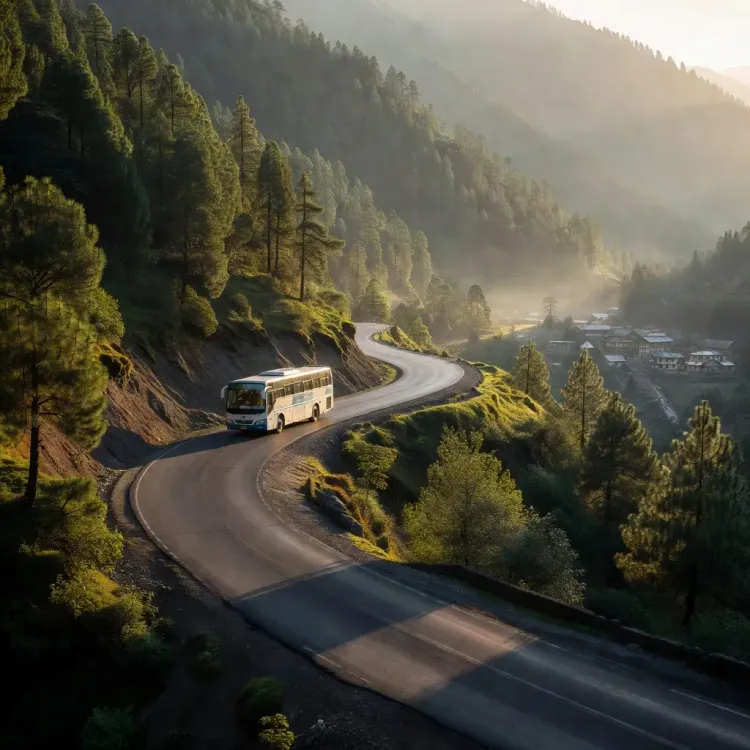
Himachal Pradesh presents one of India's most demanding transport challenges. The state's rugged Himalayan terrain, frequent landslides during monsoon season, and dispersed settlements across remote districts make reliable road and bus connectivity a persistent governance priority. Public transport is not merely a convenience here — it is a lifeline for daily commuters, students, pilgrims, and the agricultural economy, particularly the apple-growing belts of Kullu, Shimla, and Kinnaur.
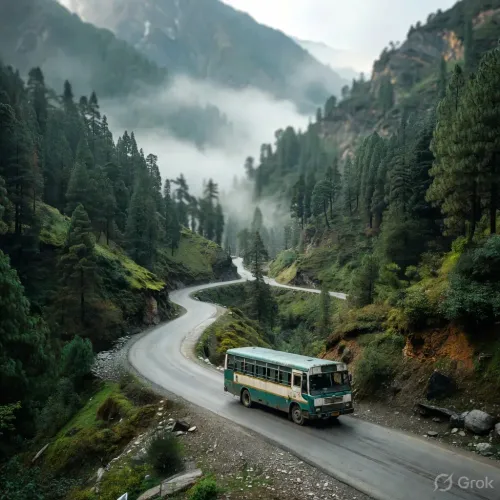
The Himachal Road Transport Corporation (HRTC), the state-owned public bus operator, is the backbone of this network, running services across some of the most difficult mountain roads in the country. Any policy push on transport in the state directly bears on HRTC's fleet, routes, and operational capacity.
Policy Backdrop
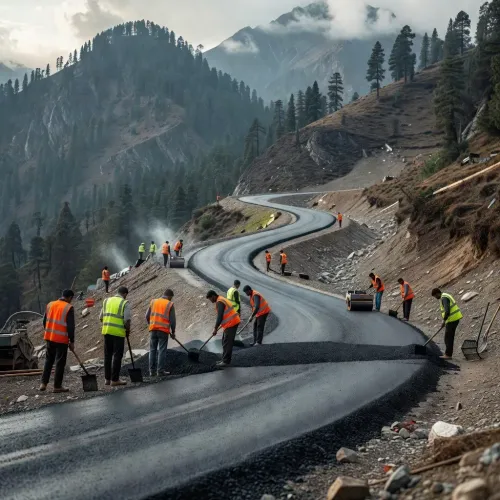
Since coming to power after the December 2022 assembly elections, the Sukhu-led Congress government has signalled fleet modernisation and route expansion as priorities for HRTC, particularly to bridge connectivity gaps in underserved districts. The broader national framework of PM Gati Shakti has also opened avenues for central funding on highway widening and tunnel projects that could ease movement across mountain passes.
State governments in Himachal Pradesh have historically sought to leverage central schemes alongside state budget allocations to address infrastructure deficits. Ropeway projects and all-weather road corridors have featured in recent policy discussions as long-term solutions to terrain-related disruptions.
Stakeholders and Impact
The primary beneficiaries of improved transport infrastructure are the state's approximately 73 lakh residents, including those in remote tribal and hill districts who depend on HRTC buses as their only mode of public transport. Tourists and pilgrims visiting destinations such as Manali, Dharamshala, Spiti Valley, and Chail also form a significant constituency whose mobility directly affects the state's tourism revenue.
The apple economy — a critical driver of rural incomes in Himachal Pradesh — depends on timely road access for produce movement to markets. Any enhancement in transport logistics therefore carries direct economic implications for farming households across the state.
What's Next
Concrete announcements on fleet expansion, new bus routes, or ropeway tenders are expected to be watched closely in the coming months, particularly around the monsoon session of the Himachal Pradesh Legislative Assembly. State budget allocations for HRTC and any central approvals under infrastructure schemes will be key indicators of how this stated commitment translates into on-ground action.
The government's ability to sustain and expand transport services through the challenging monsoon period — when landslides regularly disrupt road links — will be an early test of the commitment CM Sukhu has publicly reiterated.
Point of View
While brief, fits into a recognisable pattern of the Congress government in Himachal Pradesh using public communication to signal welfare and infrastructure intent ahead of the monsoon session. Transport has historically been a politically sensitive issue in the state, where service disruptions directly affect voter sentiment in remote constituencies. The statement carries added weight given HRTC's financial pressures and the state's ongoing fiscal constraints, making it as much a political signal as a policy one. Whether this translates into measurable fleet additions or route expansions will determine its credibility with a public accustomed to such pledges.
NationPress
18 Sept 2026
Frequently Asked Questions
What did CM Sukhu say about transport in Himachal Pradesh?
CM Sukhvinder Singh Sukhu stated on 17 June 2026 that his government is working with full commitment to provide better transport facilities to the people of Himachal Pradesh.
What is HRTC and why is it important for Himachal Pradesh?
The Himachal Road Transport Corporation (HRTC) is the state-owned public bus operator and the primary mode of public transport for residents across Himachal Pradesh's remote and hilly districts.
What transport schemes is the Himachal Pradesh government pursuing?
The Sukhu government has signalled HRTC fleet modernisation and route expansion, and has also looked at central schemes like PM Gati Shakti for highway and tunnel projects, though no specific new scheme was announced in this statement.
How does transport affect Himachal Pradesh's economy?
Reliable transport is critical to Himachal Pradesh's apple economy, tourism sector, and daily connectivity for roughly 73 lakh residents, making it a key governance and economic priority.
When is the next opportunity to see concrete transport announcements in Himachal Pradesh?
The monsoon session of the Himachal Pradesh Legislative Assembly and upcoming state budget allocations for HRTC are the next key occasions to watch for specific transport policy announcements.