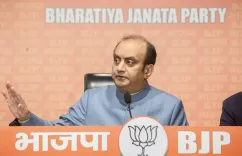
CM Sukhu: Green Public Transport to Cut HP Pollution
Synopsis
Chief Minister Sukhvinder Singh Sukhu has said that Himachal Pradesh's public transport initiative will promote environmental conservation, reduce pollution, and deliver better services to local residents, reinforcing the state's push toward cleaner, greener mobility.
Key Takeaways
CM Sukhvinder Singh Sukhu stated on 17 June 2026 that the initiative will promote environmental protection and reduce pollution in Himachal Pradesh .
The move is aligned with the Himachal Pradesh State Electric Vehicle Policy 2022 , which incentivises electric bus procurement for HRTC routes.
National frameworks — FAME-II and PM-eBus Sewa — provide subsidy support that the state can draw upon for fleet electrification.
Key beneficiaries include hill commuters and urban local bodies in towns such as Shimla , Dharamshala , and Kullu-Manali .
Vehicular emissions trapped in mountain valleys make clean public transport a pressing ecological priority for the state.
Progress will be tracked through phased HRTC e-bus induction and annual air-quality data from major HP towns.
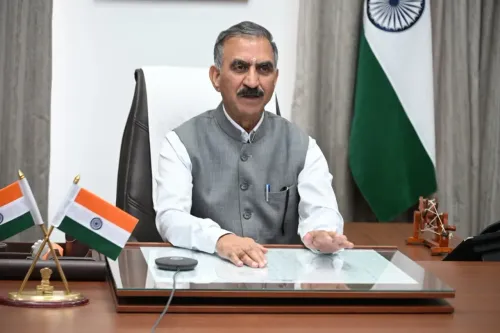
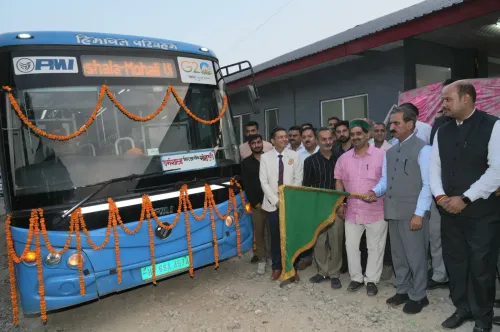
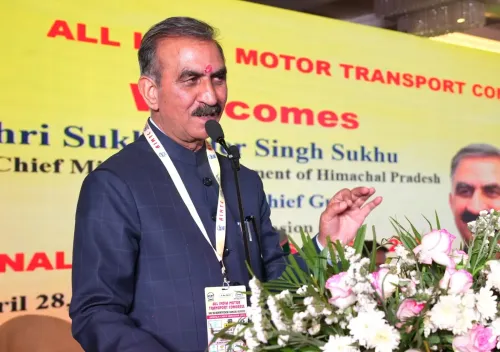
The Chief Minister's Office of Himachal Pradesh, quoting Chief Minister Thakur Sukhvinder Singh Sukhu, stated on Wednesday, 17 June 2026 that a public transport initiative will promote environmental conservation, reduce pollution, and provide better public transport facilities to local residents in the hill state.
In his remarks, CM Sukhu said — translated from Hindi — 'This will promote environmental protection, reduce pollution, and provide better public transport facilities to local people.' The statement, shared by the official CM Office of Himachal Pradesh on X, underscores the state government's push toward cleaner mobility in one of India's most ecologically sensitive regions.
Context
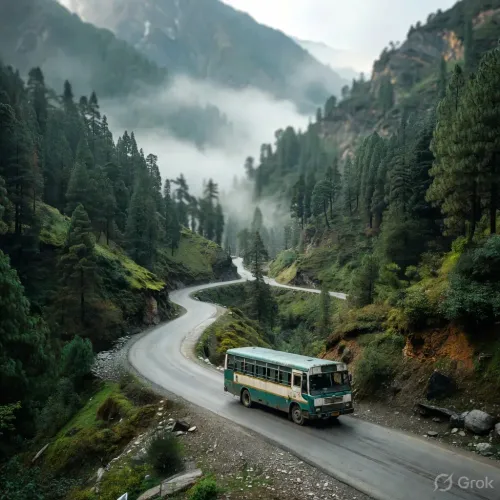
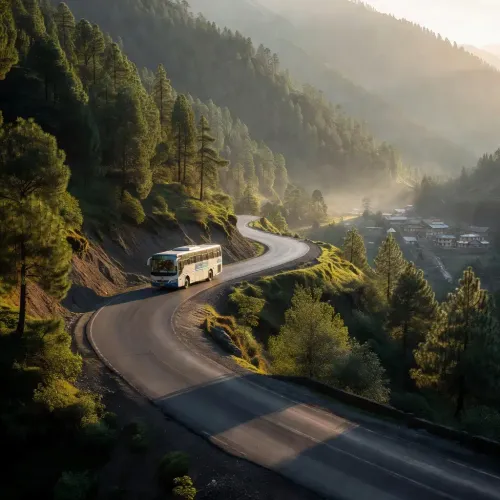
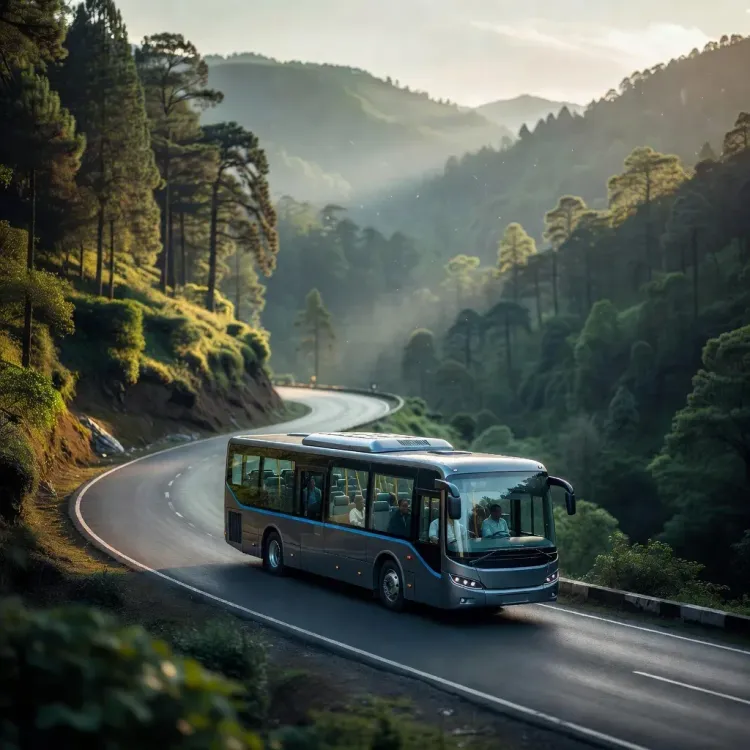
Himachal Pradesh faces a distinctive environmental challenge: vehicular emissions in its narrow valleys — including Shimla, Dharamshala, and the Kullu-Manali corridor — tend to get trapped by surrounding terrain, raising particulate pollution levels. The state's high tourism footfall compounds pressure on its road transport network, making fleet modernisation both an ecological and a public-service priority.
CM Sukhu, who took office in December 2022, has consistently positioned sustainable mobility as a pillar of his administration's environmental agenda. The latest statement reinforces that stance, signalling continued government attention to the quality of public transport available to hill commuters.
Policy Backdrop
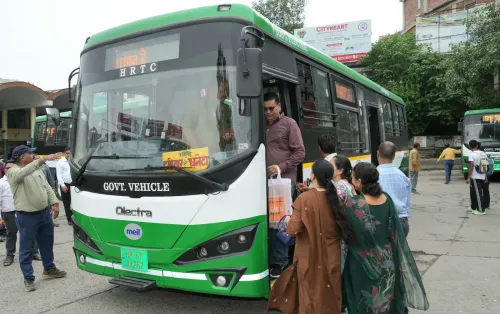
The push aligns with the Himachal Pradesh State Electric Vehicle Policy 2022, which incentivised the procurement of electric buses for routes operated by the Himachal Road Transport Corporation (HRTC). The policy was designed to accelerate the shift away from diesel-powered fleets on high-altitude corridors.
At the national level, the FAME-II scheme and the PM-eBus Sewa framework both provide capital subsidies to state transport undertakings for low-emission vehicles, creating a financial architecture that hill states like Himachal Pradesh can leverage. Indian hill states are broadly moving in this direction, with electric drivetrains increasingly seen as the standard for next-generation public fleets.
Stakeholders and Impact
The primary beneficiaries are hill commuters who depend on HRTC services for daily connectivity across the state's rugged terrain. Better public transport directly reduces dependence on private vehicles, which in turn lowers per-capita emissions on mountain roads.
Urban local bodies in towns such as Shimla and Dharamshala stand to gain from improved air quality, which has implications for both resident health and the state's tourism brand. Environmental conservation in a state that draws millions of visitors annually carries significant economic weight alongside its ecological value.
What's Next
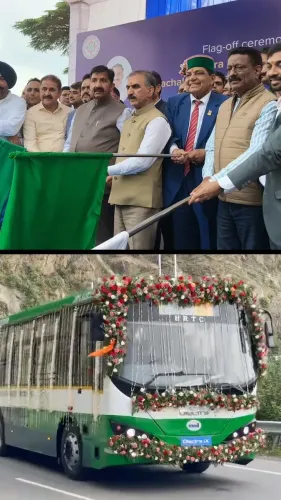
Observers will watch for the phased induction of electric buses on major HRTC corridors and the release of annual air-quality data for key towns including Shimla, Dharamshala, and Kullu-Manali. These metrics will serve as concrete benchmarks for measuring whether the government's stated goals on pollution reduction and public transport improvement are being met.
As Himachal Pradesh moves forward, the state's experience with green public transport in high-altitude conditions could offer a replicable model for other ecologically fragile hill states across the country.
Point of View
While brief, is a deliberate signal that the Himachal Pradesh government is framing public transport modernisation as an environmental imperative rather than a mere infrastructure upgrade. This fits a pattern among Congress-governed hill states of positioning green mobility as both a governance deliverable and a contrast to what they characterise as insufficient central attention to mountain ecology. The invocation of pollution reduction and local benefit in a single breath suggests the messaging is calibrated for both urban voters in Shimla and Dharamshala and rural commuters dependent on HRTC. The real test will be measurable fleet additions and verifiable air-quality improvement — metrics that will define whether this remains political rhetoric or translates into tangible change.
NationPress
18 Sept 2026
Frequently Asked Questions
What did CM Sukhu say about public transport in Himachal Pradesh?
CM Sukhvinder Singh Sukhu said that the public transport initiative will promote environmental protection, reduce pollution, and provide better transport facilities to local people in Himachal Pradesh.
What is the Himachal Pradesh Electric Vehicle Policy?
The Himachal Pradesh State Electric Vehicle Policy 2022 incentivises the procurement of electric buses for HRTC routes to reduce vehicular emissions across the state's mountain corridors.
How does FAME-II help Himachal Pradesh's green transport plans?
The national FAME-II scheme provides capital subsidies to state transport undertakings for low-emission vehicles, giving Himachal Pradesh financial support to electrify its HRTC fleet.
Why is pollution a particular problem in Himachal Pradesh's valleys?
The state's narrow mountain valleys trap vehicular emissions, raising particulate pollution levels in towns like Shimla, Dharamshala, and Kullu-Manali, making clean public transport especially important.
What should we watch for next on Himachal Pradesh's green transport push?
Key indicators include the phased induction of electric buses on major HRTC corridors and the release of annual air-quality data for Shimla, Dharamshala, and Kullu-Manali.