CM Sukhu flags off buses, rides e-bus to Dharamshala
Synopsis
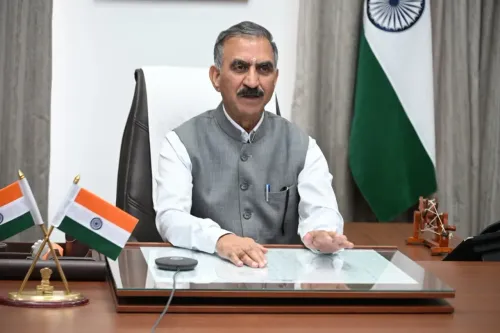
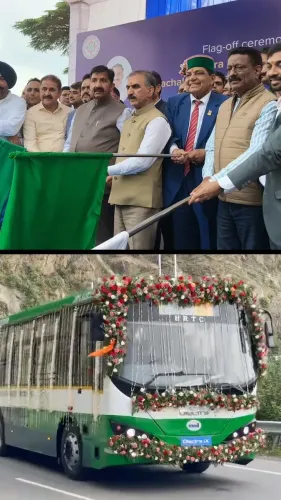
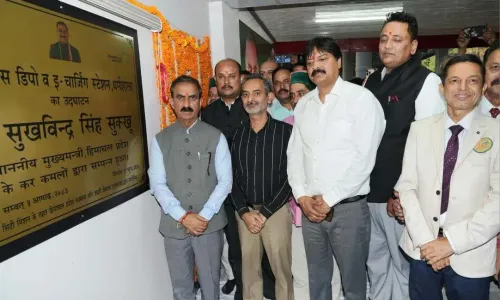
Himachal Pradesh CM Sukhvinder Singh Sukhu inaugurated a new bus workshop, flagged off buses for public service, and personally rode an electric bus to Circuit House, Dharamshala on 17 June 2026, advancing the state's green public transport agenda.
Key Takeaways
CM Sukhvinder Singh Sukhu inaugurated a newly built bus workshop in Himachal Pradesh on 17 June 2026 .
Buses were flagged off from the workshop for public service as part of efforts to modernise the state transport network.
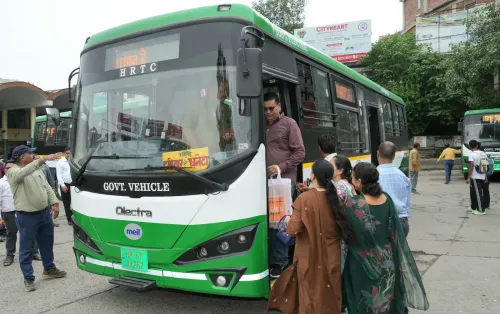
The Chief Minister personally rode an electric bus from the workshop to Circuit House, Dharamshala .
Himachal Pradesh has been inducting electric buses into the HRTC fleet since 2022–2023 to cut emissions and fuel costs.
Dharamshala , the state's winter capital and a key tourism hub, is a priority corridor for the e-bus rollout.
The government has signalled continued commitment to expanding public transport infrastructure across the state.
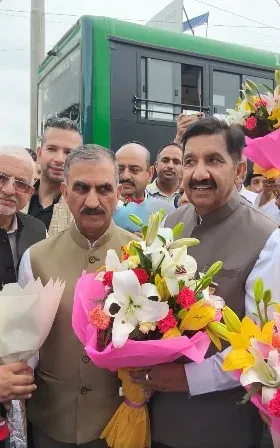
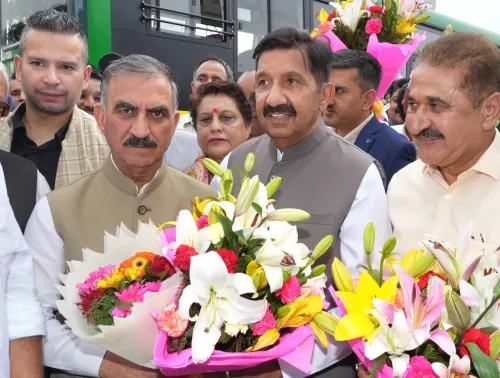
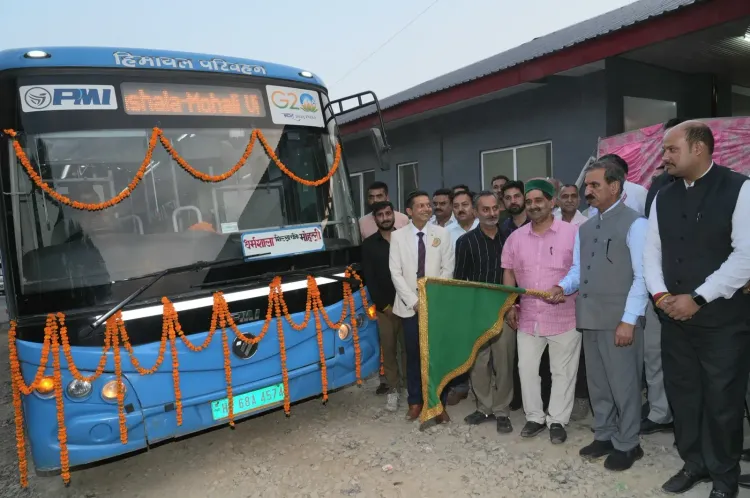
Himachal Pradesh Chief Minister Sukhvinder Singh Sukhu on Wednesday, 17 June 2026, inaugurated a newly built bus workshop and flagged off buses for public service, later riding an electric bus from the workshop to Circuit House, Dharamshala — underscoring the state government's push toward green public transport.
Context
Posting on X, CM Sukhu said he inspected the newly constructed workshop before flagging off the buses. He wrote: 'आज नवनिर्मित वर्कशॉप का अवलोकन करने के बाद बसों को हरी झंडी दिखाकर जनसेवा के लिए रवाना किया' — 'Today, after inspecting the newly built workshop, I flagged off buses for public service.' He described the initiative as part of 'continuous efforts to make our transport system modern and reliable.'
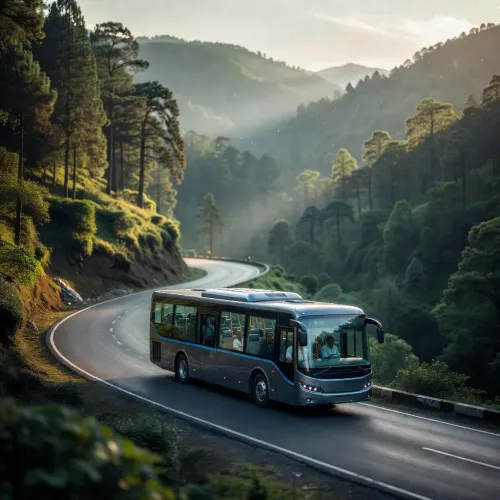
The Chief Minister also personally rode an electric bus on the stretch from the workshop to Circuit House, Dharamshala, calling the green-energy-based arrangement one that 'strengthens environmental balance while providing a more comfortable and dignified travel experience for local residents and tourists.'
Policy Backdrop
Himachal Pradesh began inducting electric buses into the Himachal Road Transport Corporation (HRTC) fleet around 2022–2023, positioning the state as an early mover among Indian hill states on clean public transport. The mountainous terrain, while challenging for electric vehicle range, also makes diesel-heavy fleets expensive and polluting — creating a practical case for electrification on select inter-city corridors.
The workshop inauguration signals an infrastructure-first approach: building maintenance and servicing capacity alongside the induction of new buses, a gap that has historically limited the reliability of state bus fleets. Dharamshala, the winter capital of Himachal Pradesh and a major tourism hub in Kangra district, is a strategic corridor for such a rollout given its high footfall from both domestic and international visitors.
Stakeholders and Impact
The immediate beneficiaries are daily commuters and tourists travelling to and from Dharamshala, who stand to gain from quieter, lower-emission buses and improved service reliability backed by a dedicated workshop. For the state, reducing dependence on diesel also translates to long-term fuel cost savings for the HRTC.
The move aligns with India's broader national net-zero commitments, with several hill states — including Uttarakhand and Sikkim — pursuing similar electric fleet transitions. Himachal Pradesh's approach of pairing depot upgrades with route-specific e-bus deployment is seen as a template for sustainable hill-terrain transit.
What's Next
Attention will now turn to whether the state expands e-bus routes beyond the current corridors and how quickly charging infrastructure — ideally powered by the state's considerable hydropower resources — can be scaled across depots. Any announcements in the upcoming state budget regarding fleet expansion or renewable-powered charging stations will be closely watched by transport and climate policy observers.
CM Sukhu affirmed that 'our government is working with full commitment to provide better transport facilities to the people of the state' — signalling that further investments in public mobility remain a political and administrative priority for the Congress government in Shimla.
Point of View
Not just a promiser. For a hill state where public transport is a lifeline rather than a choice, reliability improvements carry outsized political weight with both rural commuters and the urban tourist economy centred on Dharamshala. The move also fits neatly into the national narrative around India's clean energy transition, giving the state government a policy story that resonates beyond its borders.
NationPress
18 Sept 2026
Frequently Asked Questions
What did CM Sukhu inaugurate on 17 June 2026?
CM Sukhvinder Singh Sukhu inaugurated a newly built bus workshop and flagged off buses for public service on 17 June 2026, as part of Himachal Pradesh's efforts to modernise its public transport network.
Which route did CM Sukhu travel on the electric bus?
CM Sukhu rode an electric bus from the newly inaugurated workshop to Circuit House, Dharamshala, highlighting the state's green mobility push on this corridor.
Does Himachal Pradesh have electric buses in the HRTC fleet?
Yes, Himachal Pradesh began inducting electric buses into the HRTC fleet around 2022–2023 as part of a clean transport initiative aimed at reducing emissions and fuel costs in the state's hilly terrain.
Why is Dharamshala significant for Himachal Pradesh's e-bus rollout?
Dharamshala is the winter capital of Himachal Pradesh and a major tourism hub in Kangra district, making it a high-priority corridor for electric bus services that benefit both local commuters and tourists.
What is Himachal Pradesh's plan for expanding electric bus infrastructure?
The state government is focused on expanding charging infrastructure and depot upgrades alongside new e-bus inductions; further announcements are expected in upcoming state budget sessions.