Himachal Pradesh to add 1,000 e-buses and 100 hydrogen buses: CM Sukhu
Synopsis
Himachal Pradesh just crossed 500 electric buses in its state fleet — and CM Sukhu isn't stopping there. With 1,000 more e-buses ordered and 100 hydrogen buses under consideration, HRTC is attempting one of India's most ambitious hill-state transport overhauls, backed by a cost-per-km argument that halves diesel operating expenses.
Key Takeaways
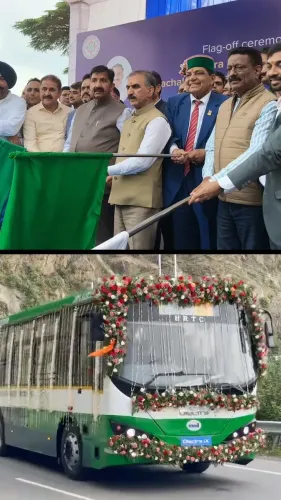
CM Sukhvinder Singh Sukhu flagged off 297 Type-I electric buses from Kyarighat, Solan on 30 July 2025 .
HRTC's total electric bus fleet has now reached 500 buses .
The state will procure 1,000 additional electric buses this year and is considering 100 hydrogen-powered buses .
Electric bus operating cost is ₹36–38 per km versus ₹76–86 per km for diesel — saving HRTC ₹40–50 per km .
The HimBus Plus Card , a smart digital transit card, was launched alongside the bus flagoff.
Next-generation electric buses will offer a range of 250–300 km per charge, up from the current 200 km .
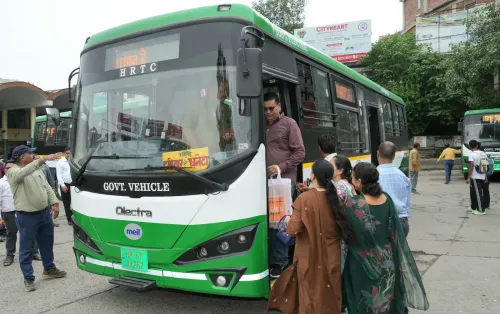
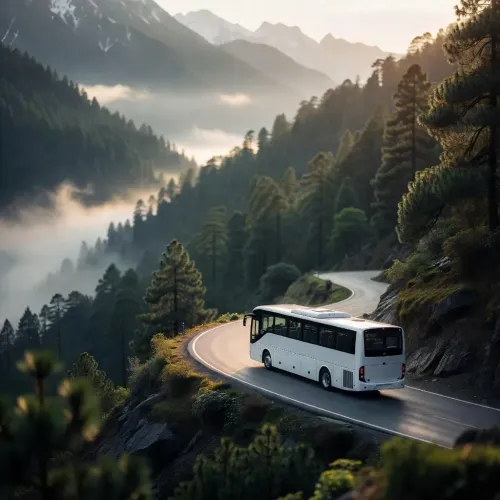
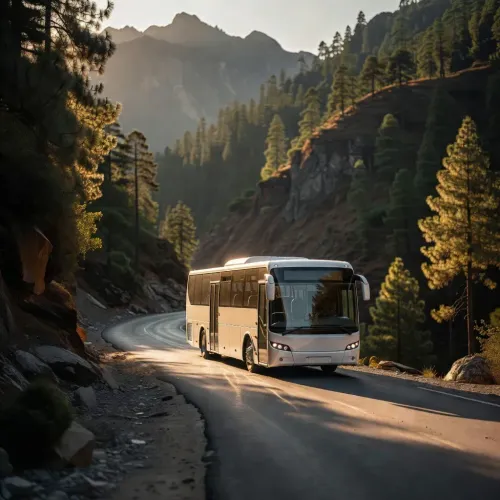
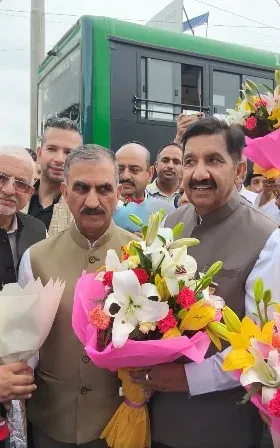
Himachal Pradesh Chief Minister Sukhvinder Singh Sukhu on Thursday, 30 July flagged off 297 Type-I electric buses from Kyarighat in Solan district, deploying them into the Himachal Road Transport Corporation (HRTC) fleet in what the state government described as a landmark moment for public transportation in the hill state. With this induction, HRTC's total electric bus count has reached 500.
Key Announcements
Chief Minister Sukhu announced that the state government will procure 1,000 additional electric buses this year and is actively considering the acquisition of 100 hydrogen-powered buses — a move that would make Himachal Pradesh one of the few Indian states to explore hydrogen mobility at scale. He also launched the HimBus Plus Card, a smart digital transit card aimed at modernising ticketing and promoting cashless travel across the HRTC network.
The Cost Case for Electric Buses
The financial argument for the shift is stark. According to Chief Minister Sukhu, the operational cost of an electric bus — including staff and other expenses — stands at approximately ₹36–38 per km, compared to ₹76–86 per km for a diesel bus. That translates into projected savings of ₹40–50 per km for HRTC, a corporation the state government is working to make financially self-reliant. Notably, current electric buses offer a range of around 200 km per charge, while the next generation is expected to cover 250 to 300 km on a single charge.
Infrastructure and Green Energy Vision
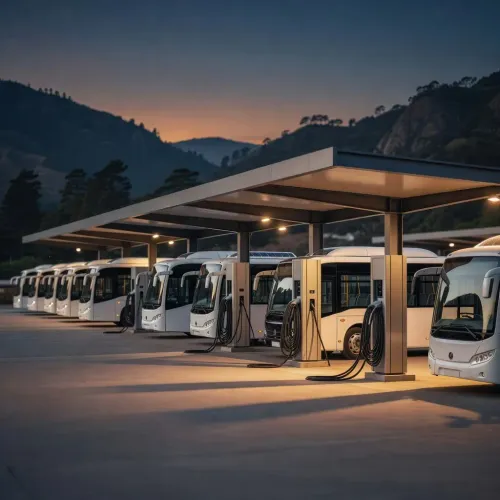
The state government has developed modern charging infrastructure at various bus depots across Himachal Pradesh to support expanded e-mobility operations. Sukhu reiterated that the push for electric transport was embedded in the government's very first budget, which envisioned making Himachal Pradesh a green energy state. The broader objective, he said, is to ensure 'a clean Himalaya, clean air and a healthy environment for future generations.'
What It Means for Commuters and the Environment
The induction of electric buses is expected to deliver a pollution-free, safer, and more comfortable travel experience for passengers across the state's challenging mountain terrain. Reduced dependence on fossil fuels and lower carbon emissions are cited as direct environmental benefits. This comes amid a wider national push toward clean public transport, with several Indian states scaling up EV fleets under central and state-level incentive schemes. For HRTC, the shift could mark a structural turnaround — moving from a loss-making diesel-dependent model toward a leaner, greener operation.
With procurement of 1,000 more electric buses and a potential hydrogen pilot on the horizon, Himachal Pradesh's transport transformation is set to accelerate through the rest of 2025.
Point of View
It is a structural shift for a perennially cash-strapped state transport corporation. But the real test for HRTC will be whether charging infrastructure keeps pace with fleet expansion across Himachal's high-altitude, weather-volatile terrain, where range anxiety is not an abstraction. The hydrogen bus announcement is the more intriguing signal: at 100 units, it is a pilot, not a programme, but it positions Himachal ahead of most Indian states in exploring beyond battery-electric. Whether procurement timelines and central funding align will determine if this remains a headline or becomes a blueprint.
NationPress
14 Sept 2026
Frequently Asked Questions
How many electric buses does HRTC now operate?
HRTC's electric bus fleet has reached 500 buses following the induction of 297 Type-I electric buses flagged off by CM Sukhu on 30 July 2025. The state plans to add 1,000 more electric buses this year.
What are hydrogen-powered buses and why is Himachal considering them?
Hydrogen-powered buses use hydrogen fuel cells to generate electricity, emitting only water vapour — making them a zero-emission alternative to both diesel and battery-electric buses. Himachal Pradesh is considering procuring 100 such buses as part of its green energy and clean transport vision.
What is the HimBus Plus Card?
The HimBus Plus Card is a smart digital transit card launched by CM Sukhu alongside the bus flagoff. It is designed to promote cashless, digital ticketing across the HRTC network and modernise public transport in the state.
How much cheaper are electric buses compared to diesel buses for HRTC?
Electric buses cost approximately ₹36–38 per km to operate, compared to ₹76–86 per km for diesel buses — a saving of ₹40–50 per km. This cost advantage is a key driver behind HRTC's shift to an electric fleet.
What range do the new electric buses offer?
The current batch of electric buses has a range of around 200 km per charge. The next generation of buses being procured is expected to cover 250 to 300 km on a single charge, addressing range concerns on longer hill routes.