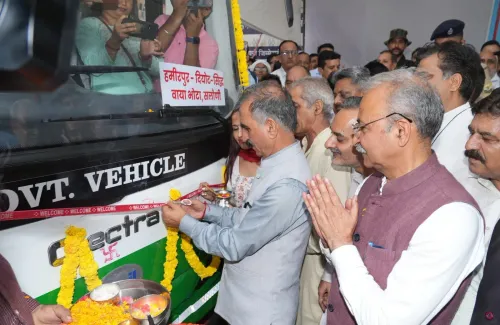
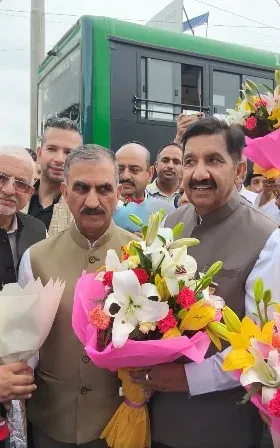
CM Sukhu adds 297 electric buses to HRTC fleet
Synopsis
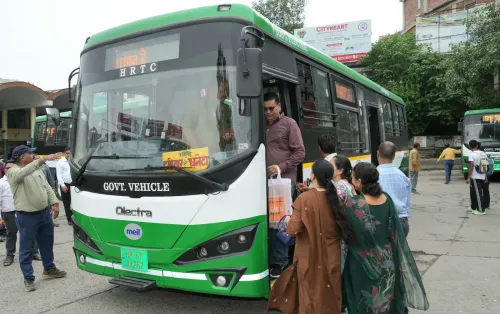
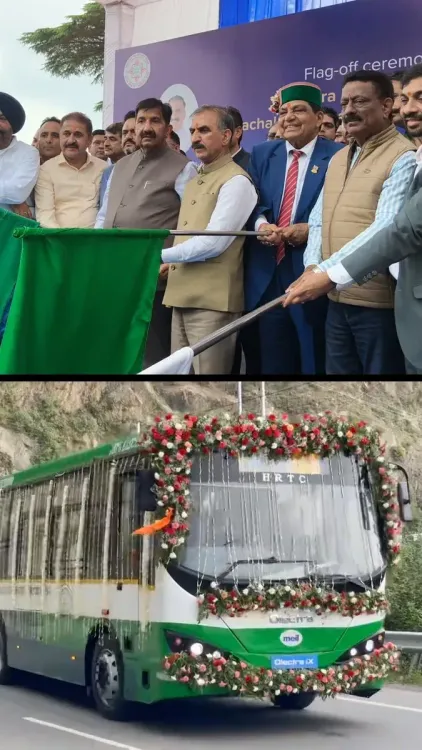
Himachal Pradesh CM Sukhvinder Singh Sukhu announced the induction of 297 new Type-1 electric buses into the HRTC fleet on July 30, 2026, marking a significant step toward cleaner, safer public transport across the state's mountainous terrain.
Key Takeaways
297 new Type-1 electric buses are being added to the HRTC fleet, as announced by CM Sukhu on July 30, 2026 .
HRTC serves as the primary public transport lifeline across Himachal Pradesh's difficult mountain terrain.
The expansion aims to make travel more comfortable, safe, and environmentally friendly for Himachal residents.
The move aligns with India's national push to electrify state transport corporation fleets and reduce emissions.
Charging infrastructure rollout across high-altitude and remote routes will be the key operational challenge ahead.
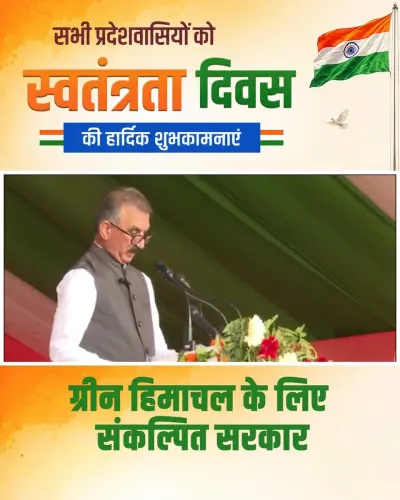
Himachal Pradesh's mountain roads are about to get greener. Chief Minister Sukhvinder Singh Sukhu announced on Thursday, July 30, 2026 that 297 new Type-1 electric buses are being inducted into the Himachal Road Transport Corporation (HRTC) fleet, promising safer, smoother, and cleaner journeys for residents across the state's challenging terrain.
Posting in Hindi, CM Sukhu framed the expansion as a natural extension of HRTC's core identity — a public service that stands by Himachalis in every condition. 'Sajag sadhna, savinay seva' ('Vigilant dedication, humble service'), he wrote, adding that 'whether roads are difficult or situations tough, HRTC always stands with the people of Himachal — that is why it is so close to their hearts.'
Why 297 electric buses matter for hill travel
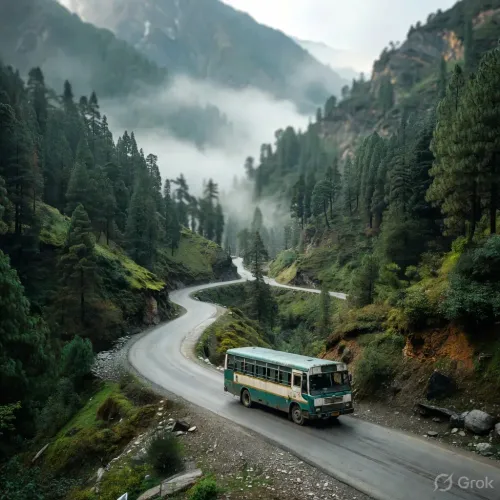
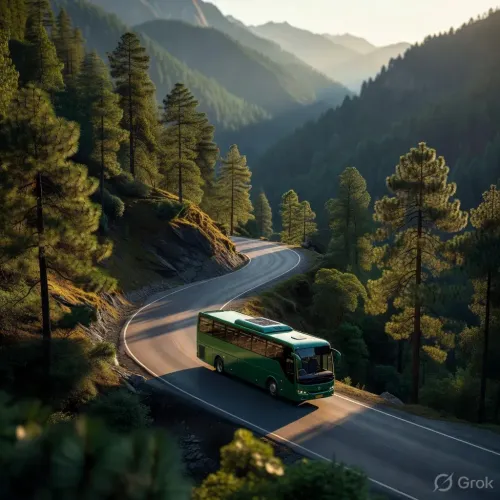
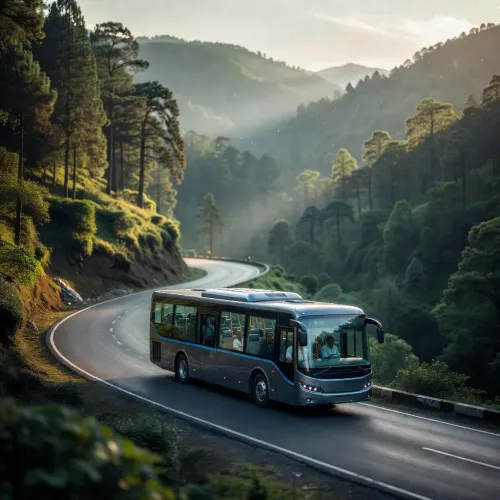
HRTC is the lifeline of a state where geography makes private transport unreliable for millions. Its network threads through high-altitude passes, remote valleys, and tourist corridors where diesel fumes and noise carry an outsized environmental cost. Electric buses directly address both problems — cutting tailpipe emissions in ecologically sensitive zones while reducing the fuel-import burden on a state that produces no petroleum.
The induction also aligns with India's broader push to electrify state transport fleets, an effort accelerated by central schemes promoting electric vehicle adoption across public road networks. Hill states like Himachal Pradesh have been early movers in this transition, driven by twin pressures: the fragility of mountain ecosystems and the demands of a tourism economy that cannot afford to dirty its own selling point.
HRTC's role in Himachal's daily life
For many villages connected by a single road, HRTC is not a convenience — it is the only option. The corporation has historically maintained routes that are commercially unviable for private operators, subsidising connectivity as a public good. Adding electric capacity to this network means the benefits of cleaner mobility reach precisely the communities that need public transport most.
The next test is infrastructure: charging networks capable of supporting a fleet of this size across terrain where grid reliability itself is sometimes seasonal. How quickly the state transport department deploys that backbone will determine whether the new buses deliver on their promise or sit idle waiting for power.
For now, the signal is clear — Himachal is betting on electric wheels to carry its people forward.
Point of View
On-the-ground service delivery in a state where public trust in government is built bus route by bus route. Electrifying a beloved public institution lets the Congress government claim both the green-economy narrative and the grassroots-connectivity legacy simultaneously. The real measure, however, will come from the charging infrastructure rollout: if the buses run reliably through winter passes and monsoon-cut roads, the political dividend follows naturally; if they don't, the announcement becomes a liability. For India's broader EV transition, Himachal's hill-terrain deployment is a genuine stress test — success here is a proof of concept for every other mountain state watching.
NationPress
14 Sept 2026
Frequently Asked Questions
How many electric buses is HRTC adding to its fleet?
HRTC is adding 297 new Type-1 electric buses to its fleet, as announced by Himachal Pradesh Chief Minister Sukhvinder Singh Sukhu on July 30, 2026.
What is HRTC and why is it important in Himachal Pradesh?
HRTC, or Himachal Road Transport Corporation, is the state-owned public bus operator that provides essential connectivity across Himachal Pradesh's hilly and remote terrain, often serving as the only transport option for many villages.
Why is Himachal Pradesh adopting electric buses?
Himachal Pradesh is adopting electric buses to reduce pollution in ecologically sensitive mountain zones, lower fuel costs, and support India's national electric vehicle promotion programmes — while also meeting the environmental expectations of its tourism-driven economy.
What challenges does HRTC face in running electric buses in Himachal?
The primary challenge is developing adequate charging infrastructure across high-altitude passes and remote valleys where grid reliability can be seasonal, which will determine how effectively the new electric fleet operates year-round.
What did CM Sukhu say about the new HRTC buses?
CM Sukhu said that HRTC always stands with Himachalis through difficult roads and tough situations, and that the addition of 297 new Type-1 electric buses will make travel more comfortable, safe, and environmentally friendly for residents.