CM Sukhu flags biodiversity project for HP eco-tourism push

Synopsis
Chief Minister Thakur Sukhvinder Singh Sukhu has described a new project as a significant step toward conserving Himachal Pradesh's rich biodiversity while promoting environmental education, scientific research, and eco-tourism, signalling the state's dual focus on ecological protection and sustainable development.
Key Takeaways
CM Thakur Sukhvinder Singh Sukhu described an unnamed project as a significant initiative for Himachal Pradesh on 24 July 2026 .
The project is stated to target four goals simultaneously: biodiversity conservation, environmental education, scientific research, and eco-tourism promotion.
No specific project name, location, budget, or implementing agency has been officially disclosed.
Himachal Pradesh sits in the Western Himalayas and hosts multiple national parks and wildlife sanctuaries under increasing ecological pressure.
The announcement aligns with a broader pattern among Indian Himalayan states of pursuing conservation-linked, low-impact tourism as a development strategy.
Stakeholders include local communities, academic researchers, and eco-tourists who could benefit from the project's rollout.
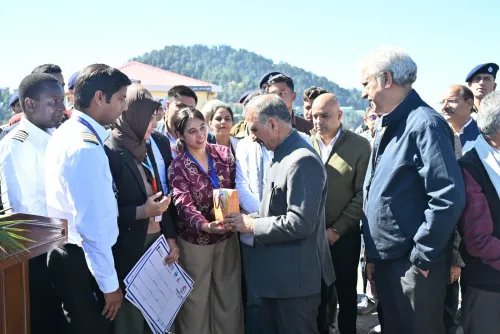
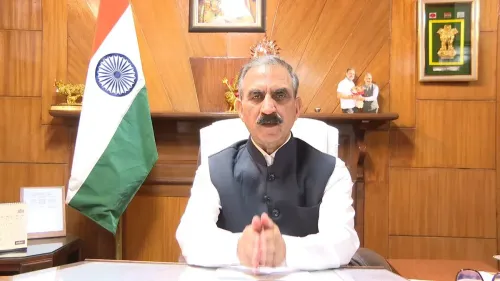
The Chief Minister's Office of Himachal Pradesh shared a statement on Friday, 24 July 2026, attributing remarks to Chief Minister Thakur Sukhvinder Singh Sukhu describing an unnamed project as a significant initiative for conserving the state's rich biodiversity while simultaneously advancing environmental education, scientific research, and eco-tourism.
Context
In his statement, CM Sukhu said the project is 'हिमाचल प्रदेश की समृद्ध जैव विविधता के संरक्षण के साथ-साथ पर्यावरण शिक्षा, वैज्ञानिक अनुसंधान तथा ईको-टूरिज्म को बढ़ावा देने की दिशा में महत्वपूर्ण पहल' — translated: 'an important initiative in the direction of conserving Himachal Pradesh's rich biodiversity while promoting environmental education, scientific research, and eco-tourism.' The statement frames the project as serving multiple goals simultaneously rather than treating conservation and development as competing priorities.
Policy Backdrop
Himachal Pradesh is home to several national parks, wildlife sanctuaries, and high-altitude ecosystems that support rare Himalayan flora and fauna. The state's forest and tourism departments have historically pursued a parallel-track approach — designating protected areas while developing low-impact visitor infrastructure to generate local livelihoods. CM Sukhu, who took office in December 2022, has repeatedly signalled sustainability as a pillar of the state's development agenda, seeking to balance ecological preservation with economic opportunity for mountain communities.
Across Indian Himalayan states, biodiversity conservation increasingly intersects with scientific research partnerships and structured eco-tourism circuits. The explicit mention of 'scientific research' in the Chief Minister's statement suggests the project may involve academic or institutional collaboration, though no specific partners have been named.
Stakeholders and Impact
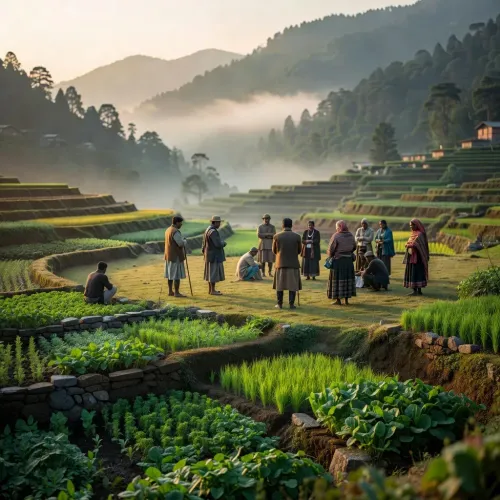
The initiative is expected to affect at least three distinct groups: local communities who stand to gain livelihood opportunities through regulated eco-tourism; researchers and academic institutions who could access field sites and biodiversity data; and eco-tourists seeking high-altitude Himalayan experiences within a conservation framework. Environmental education components could also benefit schools and youth programmes within the state.
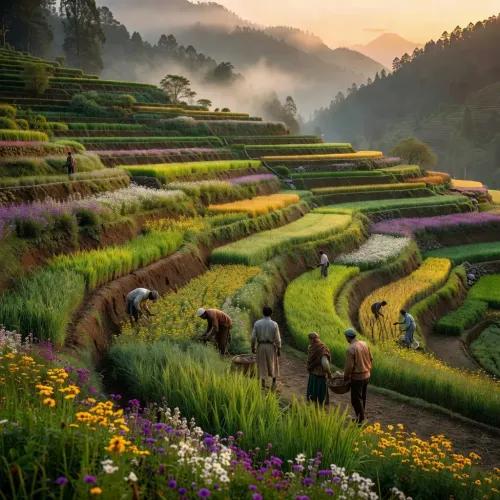
Himachal Pradesh's biodiversity assets — spanning the Western Himalayas, river valleys, and alpine meadows — are under increasing pressure from climate change and unregulated tourism. A project that links conservation mandates with research and controlled tourism could serve as a replicable model for other Himalayan states.
What's Next
Details on the project's specific location, funding allocation, implementing agencies, and rollout timeline have not yet been made public. Observers will watch for formal announcements from the Himachal Pradesh forest or tourism departments, as well as any linked provisions in the state budget. The degree to which scientific research partnerships — domestic or international — are formalised will determine how quickly the project's conservation and knowledge-generation goals can be operationalised.
Point of View
Education, research, and tourism is a deliberate political choice — it pre-empts the familiar critique that development and ecology are in conflict. By bundling eco-tourism with scientific research, the statement positions Himachal Pradesh as pursuing knowledge-led conservation rather than mere restriction. This fits a broader arc among Himalayan state governments seeking to monetise ecological assets responsibly after years of criticism over unregulated tourism. The announcement's vagueness on specifics, however, leaves room for scrutiny once implementation details emerge.
NationPress
22 Oct 2026
Frequently Asked Questions
What project did CM Sukhu announce for Himachal Pradesh?
CM Sukhvinder Singh Sukhu described a project aimed at conserving Himachal Pradesh's rich biodiversity while promoting environmental education, scientific research, and eco-tourism. Specific details such as the project name, location, and funding have not yet been made public.
What is Himachal Pradesh doing for eco-tourism in 2026?
The Chief Minister's Office announced an initiative that links biodiversity conservation with eco-tourism promotion, positioning the state as a destination for low-impact, nature-based travel alongside its existing protected areas and Himalayan landscapes.
Who is CM Sukhu and what is his focus on environment?
Thakur Sukhvinder Singh Sukhu is the Chief Minister of Himachal Pradesh since December 2022. He has consistently emphasised sustainability and ecological preservation as part of the state's development agenda, including promoting green tourism and conservation.
How does Himachal Pradesh protect its biodiversity?
Himachal Pradesh maintains several national parks and wildlife sanctuaries across its Himalayan terrain. The state government pursues conservation through protected-area designations, forest department oversight, and increasingly through research and eco-tourism frameworks.
What is eco-tourism in Himachal Pradesh?
Eco-tourism in Himachal Pradesh refers to low-impact, nature-based travel experiences in the state's forests, alpine meadows, and river valleys. It is promoted as a way to generate local livelihoods while incentivising communities to protect natural ecosystems.