CM Sukhu Calls Himachal's Mountains and Rivers a Sacred Legacy
Synopsis
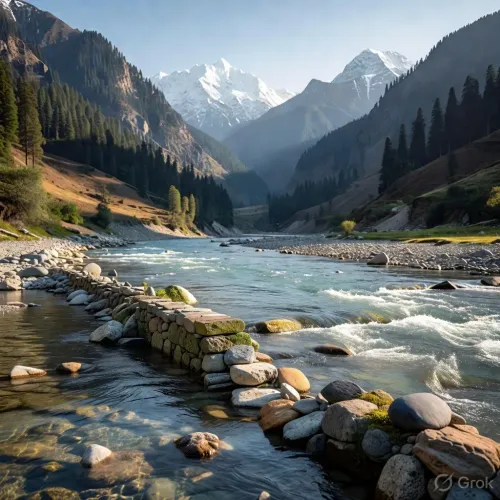
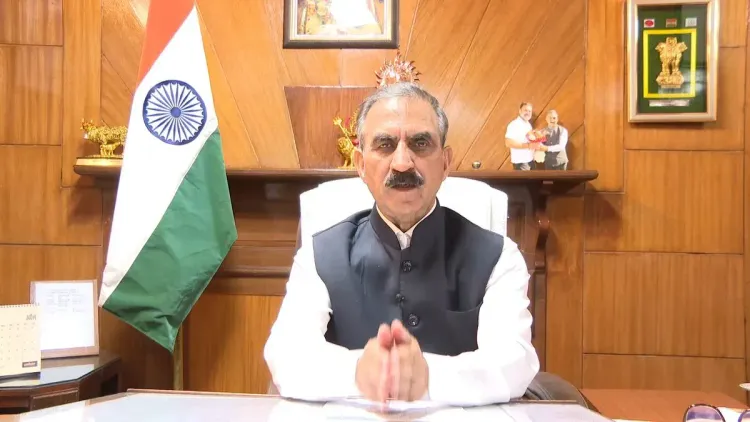
Himachal Pradesh Chief Minister Sukhvinder Singh Sukhu on 5 June 2026 called the state's mountains, rivers and clean air an irreplaceable natural heritage, urging collective action to preserve it for future generations in a video post on X.
Key Takeaways
CM Sukhvinder Singh Sukhu posted a conservation appeal on 5 June 2026 , describing Himachal Pradesh's mountains, rivers and air as the state's defining identity.
He framed environmental preservation as both a duty and 'a pledge to future generations,' calling for collective action.
The post was accompanied by a video and published on World Environment Day , though no explicit reference to the occasion was made.
Himachal Pradesh was among the first Indian states to ban plastic bags, doing so in 2009 .
The state's horticulture and tourism sectors are structurally dependent on ecological health, making conservation a high-stakes policy area.
Policy observers will watch for follow-up budget allocations or regulatory notifications on eco-sensitive zones from the state government.
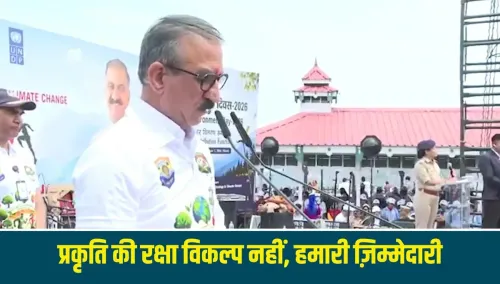
Himachal Pradesh Chief Minister Sukhvinder Singh Sukhu on Friday, 5 June 2026, issued a public appeal for collective environmental stewardship, describing the state's mountains, rivers and clean air as an irreplaceable natural heritage that must be preserved for future generations.
Context
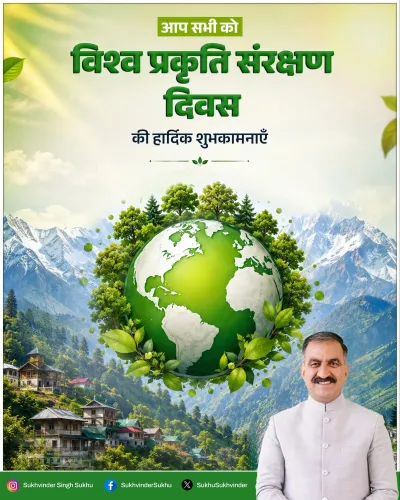
Posting in Hindi on X, CM Sukhu wrote: 'हिमाचल की पहचान विशाल पर्वतों, निर्मल जलधाराओं और शुद्ध वायु में बसती है' ['Himachal's identity resides in its vast mountains, pristine streams and pure air']. He framed conservation not merely as a duty but as 'a pledge to the generations to come,' closing with a call to collectively preserve the 'sanctity and prosperity of this heritage.'
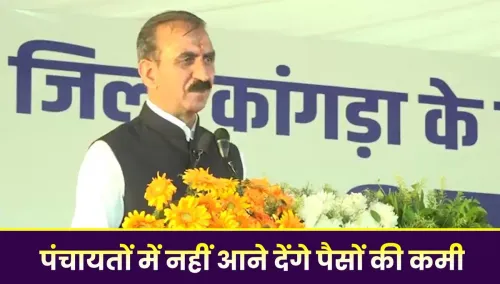
The message, accompanied by a video, was posted on the morning of 5 June — a date observed globally as World Environment Day — though the Chief Minister's post made no explicit reference to the occasion.
Policy Backdrop
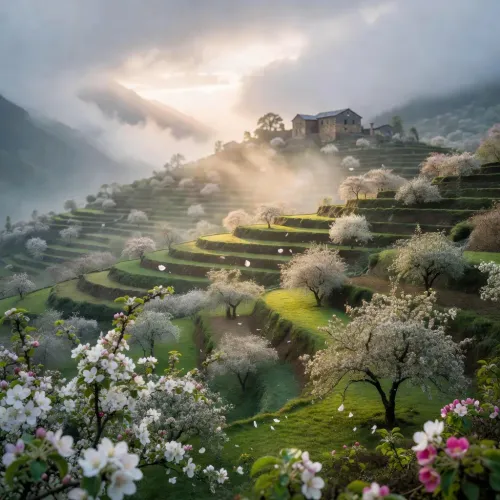
Himachal Pradesh has a documented history of environmental legislation, having been among the first Indian states to impose a ban on plastic bags as far back as 2009. The state's economy is structurally dependent on ecological health: horticulture — particularly apple cultivation — and tourism together form the backbone of livelihoods across the hill districts.
The Himalayas, which form the state's northern boundary, feed major rivers including the Beas, the Sutlej and the Chenab. Glacial retreat, erratic monsoons and increasing construction activity in eco-sensitive zones have made conservation messaging a recurring feature of state government communication in recent years.
Himalayan state governments across India have faced the challenge of balancing ecological commitments with development pressures — including hydropower expansion, national highway widening and the rapid growth of adventure tourism infrastructure. CM Sukhu's government has navigated similar tensions since taking office in December 2022.
Stakeholders and Impact
The communities most directly affected by environmental degradation in Himachal Pradesh are those in highland villages dependent on glacial streams for drinking water and irrigation. Farmers in the apple belt of Shimla, Kullu and Kinnaur districts have reported shifting weather patterns that affect flowering and yield cycles.
The tourism sector, which draws visitors to destinations such as Manali, Dharamshala and Spiti Valley, is equally exposed to ecological risk: degraded landscapes, polluted rivers and poor air quality directly erode the state's core attraction for both domestic and international travellers.
What's Next
Statements of this nature from Himalayan state governments have historically preceded budget allocations or regulatory updates on eco-sensitive zones and forest department guidelines. Observers will watch for any follow-up policy announcements — including conservation scheme notifications or eco-tourism regulations — from the Himachal Pradesh government in the weeks ahead.
The Chief Minister's appeal to citizens to collectively safeguard the state's natural legacy signals that environmental governance will remain a visible part of his administration's public communication going forward.
Point of View
Aligning state messaging with India's broader national climate commitments. However, without a concrete policy announcement attached, the statement reads primarily as political signalling rather than a programmatic shift. The real test will be whether it precedes measurable regulatory action on eco-sensitive zones or remains a standalone gesture.
NationPress
20 Oct 2026
Frequently Asked Questions
What did Himachal Pradesh CM Sukhu say about the environment?
CM Sukhvinder Singh Sukhu said that Himachal Pradesh's identity lies in its vast mountains, pristine rivers and clean air, calling their preservation both a duty and a pledge to future generations.
Why did CM Sukhu post about nature conservation on 5 June 2026?
The post appeared on 5 June , which is observed globally as World Environment Day , though the Chief Minister did not explicitly mention the occasion in his message.
What is Himachal Pradesh's history with environmental protection?
Himachal Pradesh has been a pioneer in Indian environmental legislation, becoming one of the first states to ban plastic bags in 2009 .
How does the environment affect Himachal Pradesh's economy?
The state's two largest economic sectors — horticulture (especially apple farming) and tourism — are directly dependent on ecological health, making conservation a high-stakes issue for livelihoods across hill districts.
What policy actions might follow CM Sukhu's environmental statement?
Statements of this kind from Himalayan state governments have historically preceded budget allocations or notifications on eco-sensitive zone regulations and forest conservation schemes, which observers will now watch for.