HP CM Office Hails Cricket Carnival, Pays Tribute to Late Member
Synopsis
The Chief Minister's Office of Himachal Pradesh on June 15, 2026, praised participants of a Cricket Carnival for advancing the state in sports and social awareness, while honouring a departed member who left an indelible mark on the initiative.
Key Takeaways
The Chief Minister's Office of Himachal Pradesh posted on June 15, 2026 , congratulating Cricket Carnival players, organisers, and youth participants.
The post paid tribute to a departed member of the initiative, describing them as someone who 'made an indelible mark' and will 'forever remain the soul of this family.' Himachal Pradesh has a long record of combining sports carnivals with social-awareness messaging to engage youth.
The government's public acknowledgement signals institutional support for grassroots cricket and community-driven sports culture in the state.
Follow-up announcements on sports-department funding and district-level cricket infrastructure will indicate the government's long-term commitment to such events.
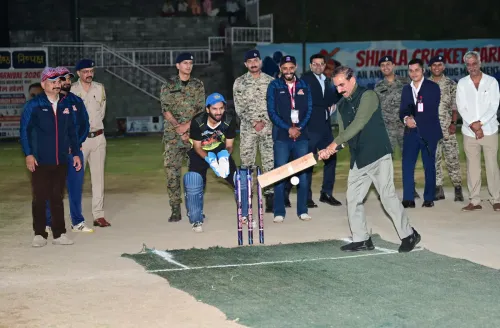
The Chief Minister's Office of Himachal Pradesh, on Monday, June 15, 2026, extended congratulations to players, organisers, and young participants of a Cricket Carnival held in the state, while also paying tribute to a departed member of the initiative who, according to the post, left an indelible mark through their contribution.
Context
The post, shared from the official Chief Minister's Office of Himachal Pradesh account, opens with a tribute: 'yogdaan dekar amit chhaap chodi aur ab hamare beech nahi hain' ('they made an indelible mark through their contribution and are no longer among us'). It goes on to say, 've sadaiv is parivaar ki aatma bane rahenge' — 'they will forever remain the soul of this family.' The identity of the individual being mourned was not disclosed in the post.
The office then turned to celebration, congratulating players associated with the Cricket Carnival, the organising committee, and young participants, expressing satisfaction that they are collectively advancing Himachal Pradesh in both sports and social awareness.
Policy Backdrop
Himachal Pradesh has a documented history of using sports festivals and carnivals to simultaneously promote athletic culture and social-consciousness messaging among youth. State-led sports events in the hill state date back to at least the early 2000s, when district-level tournaments began being paired with community awareness drives.
The broader pattern across Indian states — using cricket and other popular sports as a vehicle for social messaging — has gained traction as governments seek to engage younger demographics. Himachal Pradesh's hill geography and growing sports infrastructure have made it a recurring venue for such dual-purpose events.
Stakeholders and Impact
The primary beneficiaries of such carnivals are young athletes across the state's districts, who gain competitive exposure alongside civic engagement. Organising committees, often comprising local sports bodies and youth volunteers, play a central role in executing these events.
By publicly acknowledging participants from the Chief Minister's Office account, the state government signals institutional support for grassroots sports culture — a gesture that carries weight for clubs and organisers seeking continued government backing. The tribute to the departed member also underscores the personal and community bonds that underpin such voluntary sporting initiatives.
What's Next
Attention will now turn to whether the Himachal Pradesh sports department follows up with formal announcements on funding, district-level cricket infrastructure, or a calendar of future events building on the Cricket Carnival's momentum. State budget allocations for sports development will be a key indicator of how seriously the government intends to institutionalise such carnivals beyond one-off occasions.
The convergence of sports promotion and social awareness in the state's public communications suggests that future editions of the Cricket Carnival, or similar events, could be positioned as flagship youth-engagement programmes under the state's broader development agenda.
Point of View
Tribute plus congratulations, is a well-worn political communication technique that builds emotional resonance with local audiences. For Himachal Pradesh, where sports events have historically doubled as social-awareness platforms, such posts reinforce the state's positioning of youth engagement as a governance priority. The real test will be whether this public endorsement translates into tangible budget support for district-level cricket infrastructure.
NationPress
15 Sept 2026
Frequently Asked Questions
What is the Himachal Pradesh Cricket Carnival?
The Cricket Carnival referenced by the Chief Minister's Office of Himachal Pradesh is a sports event that combines cricket competition with social-awareness goals, aimed at engaging youth across the state. Specific operational details of this edition have not been officially disclosed beyond the June 15, 2026 post.
Who passed away that the HP CM Office is paying tribute to?
The Chief Minister's Office of Himachal Pradesh did not name the individual in its post, stating only that the person made an 'indelible mark' through their contribution to the Cricket Carnival initiative and will 'forever remain the soul of this family.'
Does Himachal Pradesh have a history of sports-based social awareness events?
Yes. Himachal Pradesh has organised youth sports festivals and carnivals since at least the early 2000s, regularly pairing athletic competitions with community messaging on social issues, leveraging the state's hill locations and growing sports culture.
What does the HP CM Office's congratulations mean for Cricket Carnival organisers?
Public acknowledgement from the Chief Minister's Office signals institutional backing for the organising committee and participating clubs, which can strengthen their case for government funding and support for future editions of the event.
What should we watch for after this HP Cricket Carnival announcement?
Key indicators to follow include sports-department notifications on follow-up events, state budget allocations for district-level cricket infrastructure, and any formal policy announcements that build on the momentum of the Cricket Carnival.