HP CM Sukhu celebrates Lahaul-Spiti folk arts
Synopsis
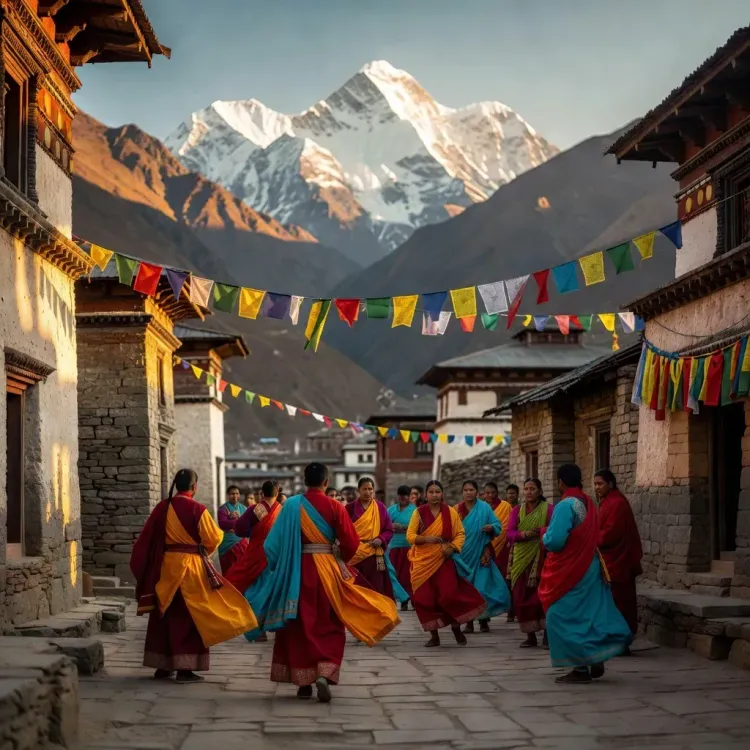
Chief Minister Thakur Sukhvinder Singh Sukhu on October 14, 2026 affirmed the distinct identity of Lahaul-Spiti's folk dances and songs, spotlighting the remote tribal district's Tibetan-influenced cultural heritage via the HP Chief Minister's Office on X.
Key Takeaways
CM Thakur Sukhvinder Singh Sukhu posted on October 14, 2026 affirming the distinct cultural identity of Lahaul-Spiti 's folk dances and songs.
Lahaul-Spiti is a remote tribal district in northern Himachal Pradesh with folk traditions deeply influenced by Tibetan Buddhist culture.
The statement aligns with a broader pattern of state governments using official platforms to promote indigenous arts in Himalayan tribal regions.
Cultural promotion in Himachal Pradesh carries strategic tourism relevance given the state's economy.
No specific follow-up cultural programme or festival has been announced by the Chief Minister's Office in connection with this post.
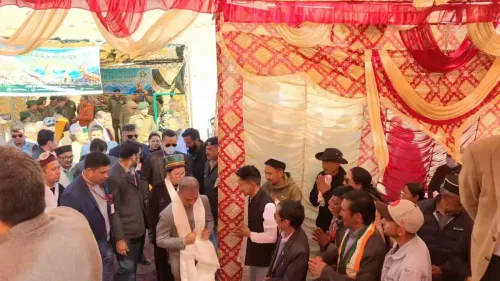
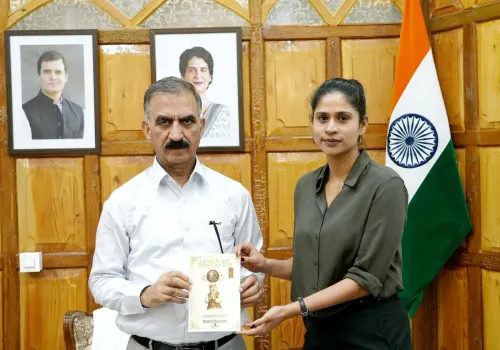
The high-altitude valleys of Lahaul-Spiti hold a cultural world apart — and Chief Minister Thakur Sukhvinder Singh Sukhu wants that world remembered. On Wednesday, October 14, 2026, the Chief Minister's Office of Himachal Pradesh posted a simple but pointed affirmation on X, quoting CM Sukhu directly on the district's folk heritage.
Translated from Hindi, the Chief Minister's words read: 'Lahaul-Spiti ke loknrityon aur lokgeeton ki apni vishisht pahchaan hai' — 'The folk dances and folk songs of Lahaul-Spiti have their own distinct identity.'
Where Tibet meets the Himalayan heartland
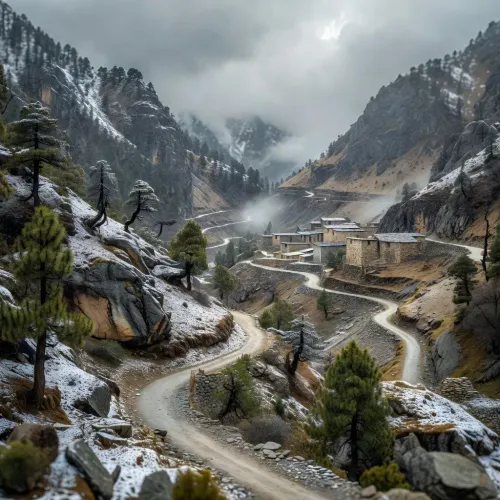
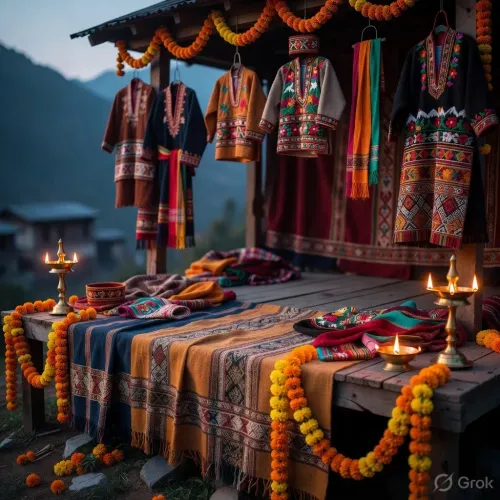
Lahaul-Spiti is one of India's most remote tribal districts, perched in the trans-Himalayan ranges of northern Himachal Pradesh. Its culture draws deeply from Tibetan Buddhist traditions — in its music, its masked dance forms, its festivals. Cut off for months each winter by snow, the district has preserved folk traditions that elsewhere in the subcontinent have faded. That isolation is, in a way, the art's greatest guardian.State governments and the politics of cultural recognition
Sukhu's remark sits within a pattern that state governments across India have leaned into for decades: using official platforms to spotlight indigenous arts, particularly from tribal and Himalayan communities. The messaging serves a dual purpose — affirming cultural identity for residents and signalling to a wider audience the region's tourism and heritage value. For Himachal Pradesh, a state whose economy is substantially tied to tourism, keeping high-altitude districts like Lahaul-Spiti in the cultural conversation carries real strategic weight. What to watch in the months ahead is whether this statement connects to a larger initiative — a state-supported folk festival, a documentation project for endangered art forms, or a cultural outreach programme targeting Lahaul-Spiti's artists. The Chief Minister's Office has not announced specific follow-up measures as of this post.Point of View
Often underserved tribal communities. For the Congress government in Himachal Pradesh, such messaging reinforces its inclusive-governance branding at minimal cost. The longer arc worth watching is whether routine social media acknowledgment translates into budget allocations for folk art documentation or festival infrastructure — the gap between rhetorical celebration and institutional support remains wide across India's tribal Himalayan districts.
NationPress
14 Oct 2026
Frequently Asked Questions
What folk dances and music is Lahaul-Spiti known for?
Lahaul-Spiti's folk traditions are shaped by Tibetan Buddhist culture and include masked dance forms, festival dances tied to monastic ceremonies, and songs passed down through oral tradition across its high-altitude villages.
Who is CM Sukhvinder Singh Sukhu?
Thakur Sukhvinder Singh Sukhu has been the Chief Minister of Himachal Pradesh since December 2022, representing the Indian National Congress.
Why is Lahaul-Spiti's culture considered distinct?
The district's extreme isolation — cut off by snow for several months each year — and its Tibetan Buddhist heritage have allowed folk traditions to survive largely intact, making them distinct from the mainstream Pahadi culture of lower Himachal Pradesh.
Is Himachal Pradesh government running any scheme for tribal folk arts?
As of this post on October 14, 2026, no specific new scheme or programme has been announced by the Chief Minister's Office in connection with CM Sukhu's statement on Lahaul-Spiti folk arts.
How does cultural promotion help Himachal Pradesh tourism?
Highlighting indigenous folk traditions of remote districts like Lahaul-Spiti draws heritage and adventure tourists, supporting an economy that depends heavily on seasonal tourism revenue.